The Weight of Paper in Digital Times
In a converted Victorian warehouse in Manchester's Northern Quarter, Sarah Chen carefully presses gold leaf onto the spine of a handmade journal. The afternoon light catches the metallic sheen as she works with the methodical precision that Italian bookbinders have perfected over centuries. "There's something almost rebellious about it," she says, pausing to examine her work. "In a world where everything disappears with a swipe, making something that will outlast you feels like a quiet revolution."
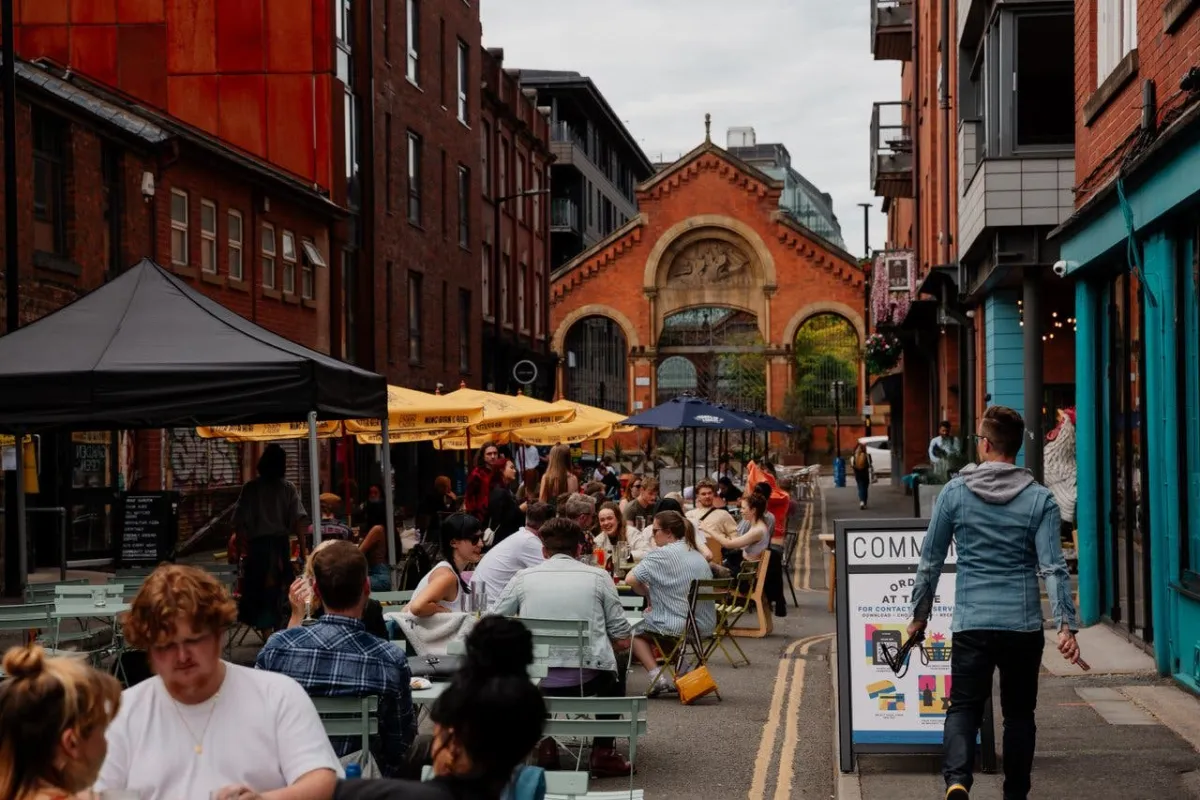 Photo: Manchester's Northern Quarter, via static.independent.co.uk
Chen is part of a growing movement of British creatives who are turning to the ancient Florentine craft of legatoria—traditional bookbinding—not just as a skill, but as a form of creative therapy. From Edinburgh's cobbled streets to Bristol's harbourside studios, the Italian art of hand bookbinding is finding new life among designers, writers, and artists seeking something more substantial than cloud storage for their most treasured work.
The Florence Connection
The story begins, as many Italian craft traditions do, in the Renaissance workshops of Florence. For over 500 years, Florentine bookbinders have been creating volumes that are as much art objects as they are functional items. Their techniques—marbled endpapers, hand-sewn signatures, covers wrapped in paper decorated with patterns that have remained unchanged since the 16th century—represent a continuity of craft that speaks to something deeper than mere nostalgia.
"When I first walked into a proper legatoria in Florence, I was overwhelmed," recalls James Morrison, a graphic designer from Edinburgh who now teaches bookbinding workshops across Scotland. "The smell of leather and glue, the walls lined with tools that hadn't changed in centuries, the sense that you were participating in something that connected you to generations of craftspeople. It felt like coming home to something I didn't know I'd been missing."
The Slow Craft Movement
What Morrison discovered, and what's drawing increasing numbers of British creatives to Italian bookbinding, isn't just the aesthetic appeal of handmade books. It's the process itself—the enforced slowness, the attention to detail, the way the craft demands presence in a way that digital work rarely does.
"In my day job, I'm constantly switching between screens, juggling projects, responding to notifications," explains Lisa Hartwell, a London-based illustrator who spends her evenings binding limited editions of her work. "But when I'm bookbinding, time moves differently. You can't rush the glue. You can't hurry the pressing. The materials teach you patience."
This enforced deceleration is particularly appealing to creatives who spend their days navigating the relentless pace of digital work. The physical nature of bookbinding—the weight of paper, the resistance of thread, the precise application of pressure—offers a counterbalance to the weightless world of pixels and screens.
British Workshops, Italian Soul
Across the UK, workshops dedicated to Italian bookbinding techniques are flourishing. In Bath, the Bookbinding Studio runs weekend intensives that consistently sell out months in advance. Cornwall's Porthmeor Studios offers week-long retreats where participants learn traditional Florentine techniques while looking out over St Ives Bay. Even London's bustling creative quarter of Shoreditch has embraced the movement, with several studios offering evening classes that attract everyone from advertising executives to retired teachers.
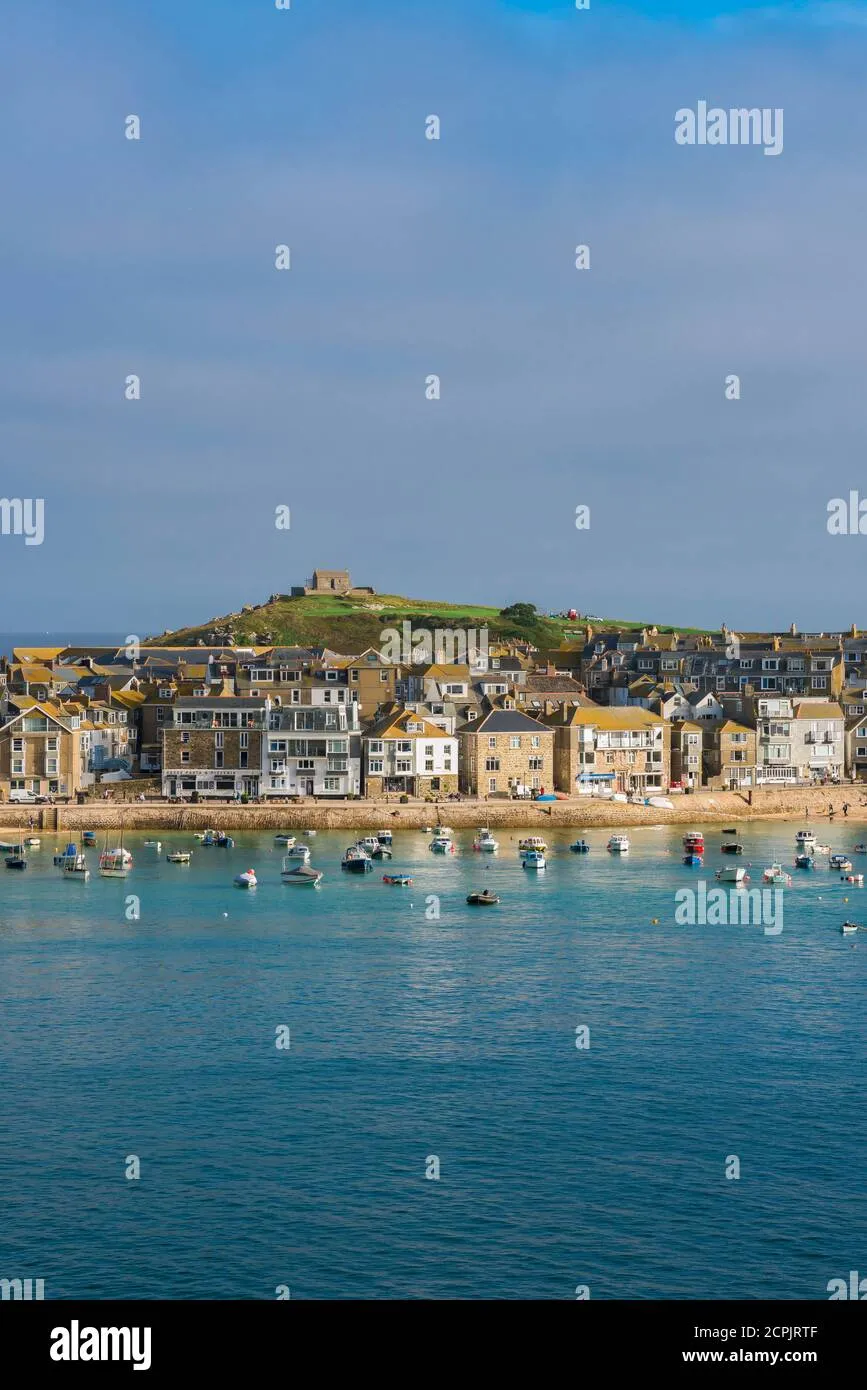 Photo: St Ives Bay, via c8.alamy.com
"There's something about the Italian approach that resonates with British sensibilities," observes Maria Antonelli, who moved from Rome to run bookbinding workshops in the Cotswolds. "It's not flashy or showy. It's about quiet excellence, about taking time to do something properly. Very British values, expressed through Italian techniques."
The Personal Archive Revolution
Beyond the meditative qualities of the craft, many British creatives are discovering bookbinding as a way to create what might be called 'personal archives'—physical repositories for work that feels too precious for digital storage alone. Wedding photographers are binding albums that will survive technological obsolescence. Poets are creating limited editions of their work that feel as precious as the words they contain. Designers are using bookbinding to create portfolios that stand out in a world of PDF presentations.
"I started bookbinding my sketchbooks after losing two years of digital work in a hard drive crash," says Tom Richards, a Bristol-based architect. "Now, every project gets documented in a hand-bound book. It's become as much a part of my creative process as the designing itself."
The Therapeutic Thread
Perhaps most significantly, British creatives are discovering the therapeutic qualities of Italian bookbinding. The repetitive motions, the focus required, the tangible sense of progress—all combine to create what psychologists call 'flow state', that elusive condition where time seems to stop and creativity flourishes.
"I started bookbinding during a particularly stressful period at work," recalls Emma Thompson, a Manchester-based photographer. "The evening classes became my sanctuary. There's something deeply satisfying about creating something beautiful with your hands after a day spent staring at screens."
Looking Forward, Bound in Tradition
As the movement grows, it's clear that Italian bookbinding offers British creatives something that purely digital practices cannot: a sense of permanence, a connection to centuries of craft tradition, and perhaps most importantly, a reminder that in our rush towards the future, some things are worth preserving.
The ancient Florentine masters who developed these techniques couldn't have imagined their craft would find new relevance in 21st-century Britain. But in teaching us to slow down, to value the physical, and to create objects that will outlast the technologies that dominate our daily lives, their legacy offers something invaluable: a way to hold our stories that honours both their content and our need to create something lasting in an increasingly ephemeral world.
In workshops from Edinburgh to Exeter, the quiet revolution continues, one carefully bound page at a time.