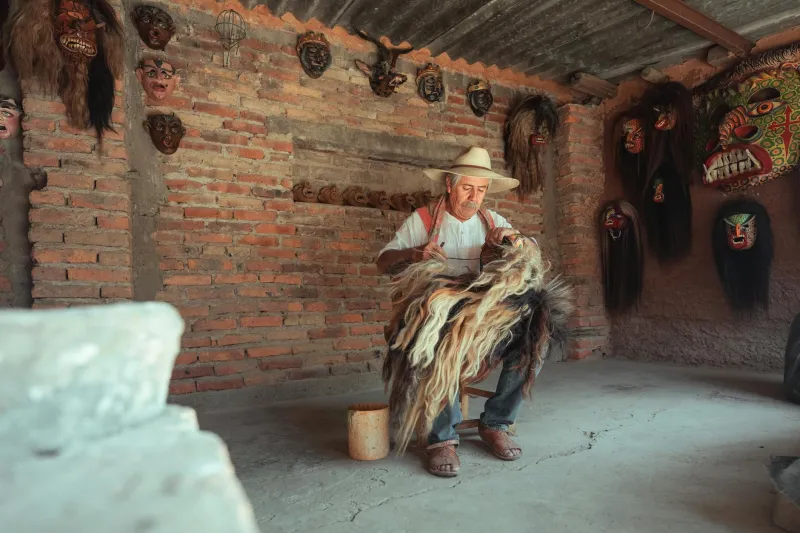
In a workshop nestled between the rolling hills of the Cotswolds, textile artist Emma Hartwell carefully threads Harris Tweed through an antique loom whilst consulting notes on Florentine weaving techniques. The result? Fabrics that capture the rugged beauty of Scottish highlands with the sophisticated colour harmony that Italian masters have perfected over centuries. This isn't cultural appropriation—it's cultural conversation, and it's happening in workshops across Britain.
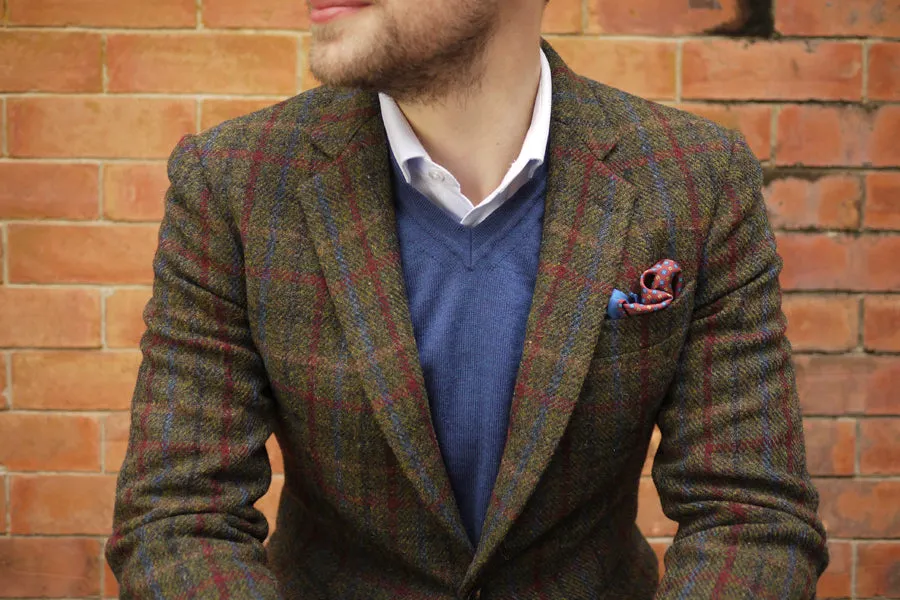 Photo: Harris Tweed, via cdn.shopify.com
"I spent six months in Florence studying traditional textile methods," Emma explains, her fingers working the distinctive herringbone pattern. "What struck me wasn't how different our approaches were, but how beautifully they complemented each other. British craft traditions have this incredible structural integrity, whilst Italian techniques bring such nuanced understanding of colour and texture."
The Perfect Creative Partnership
This fusion represents more than aesthetic experiment—it's a recognition that the finest craft traditions share common values: respect for materials, dedication to process, and the belief that beautiful, functional objects can elevate daily life. When British precision meets Italian passion, something magical emerges.
Across the UK, a quiet revolution is taking place in workshops and studios where makers are discovering that centuries-old British techniques provide the perfect foundation for Italian-inspired innovation.
Weaving Stories: Textiles That Transcend Borders
The marriage of Harris Tweed with Italian colour theory represents one of the most successful fusions in this movement. Traditional Harris Tweed, with its distinctive hand-woven character and weatherproof properties, provides an ideal canvas for Italian-inspired colour palettes and finishing techniques.
At the Hebridean Colour Company, designer Morag MacLeod has spent years perfecting natural dyeing techniques that combine Scottish plant materials with Italian mordanting methods. "We'll use Scottish heather and bog myrtle, but apply Venetian silk-dyeing techniques that create these incredible depth variations," she explains. "The result is uniquely ours—it couldn't have been created anywhere else."
Her scarves and throws have found favour with interior designers seeking pieces that bridge traditional British comfort with Mediterranean sophistication. Each piece tells a story of two craft traditions in dialogue.
Clay Conversations: When Stoke Meets Tuscany
The ceramic traditions of Staffordshire and Tuscany might seem worlds apart, but contemporary British ceramicists are discovering remarkable synergies. At Middleport Pottery in Stoke-on-Trent, artist-in-residence Giuseppe Benedetti is working with local craftspeople to explore how traditional English earthenware can incorporate Italian majolica glazing techniques.
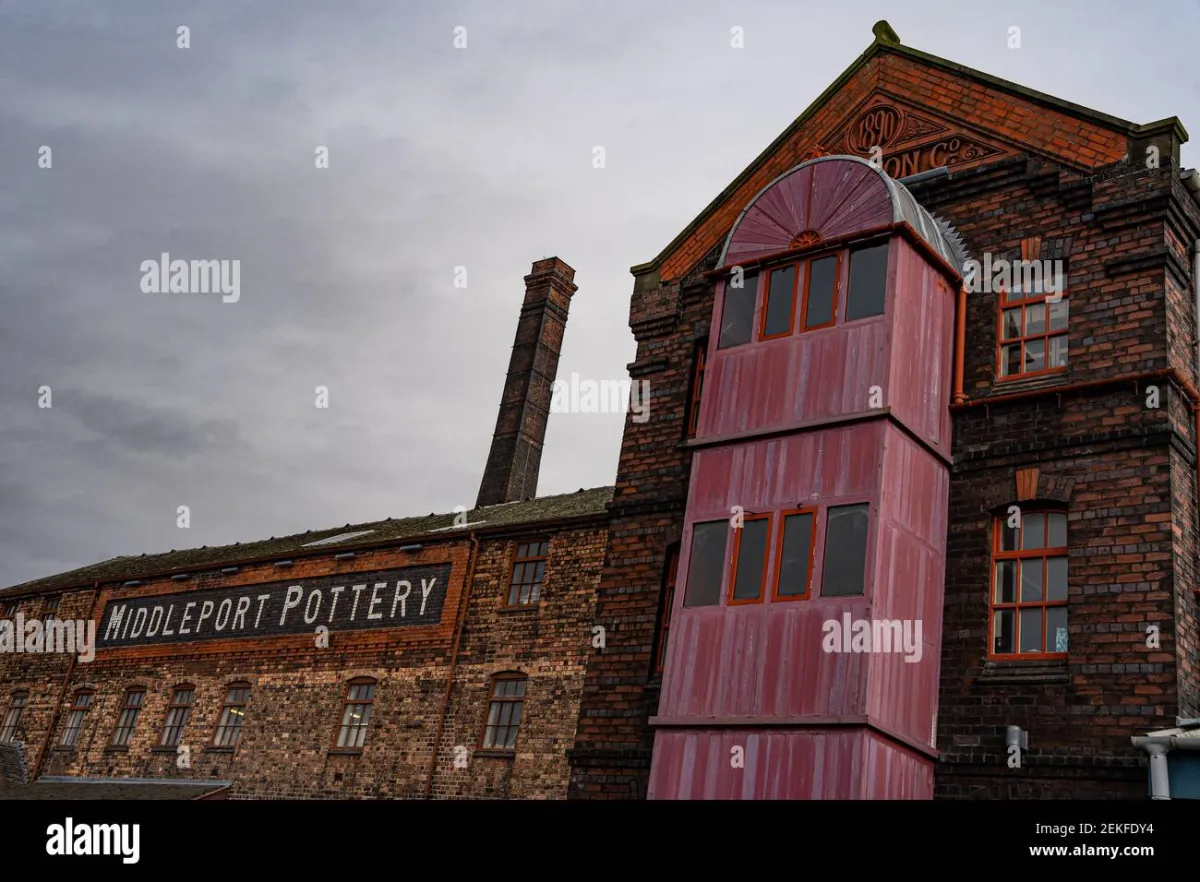 Photo: Middleport Pottery, via c8.alamy.com
"British pottery has this wonderful honesty—it's about function and durability," Giuseppe observes, watching a local potter shape a traditional tea service. "Italian ceramics bring a different sensibility—more about surface, about how light plays across glazes. When you combine them, you get pieces that are both beautiful and built to last."
The resulting work—tea sets with traditional British forms but surfaces that shimmer with Mediterranean light—represents a new aesthetic category. It's thoroughly contemporary whilst honouring both traditions.
Leather and Lace: The Soft Revolution
Perhaps nowhere is this cultural fusion more evident than in leather working, where traditional British saddlery techniques are meeting Italian luxury leather traditions. At Cambridge Leather Goods, master craftsman David Sterling has spent the past five years perfecting techniques that combine English bridle leather preparation with Italian tooling methods.
"English leather work has always been about strength and longevity—think of our horse tack, our bookbinding," David explains whilst hand-stitching a briefcase. "Italian leather work is more about sensuality, about how the leather feels and moves. When you bring them together, you create pieces that are both practical and luxurious."
His workshop now offers masterclasses that teach both traditions side by side, attracting students from across Europe who want to understand how these approaches complement each other.
Glass Acts: Transparency and Tradition
The ancient art of glassmaking provides another fascinating fusion point. At the London Glassblowing Workshop, Italian maestro Carlo Moretti has been collaborating with British glass artists to explore how Venetian techniques can enhance traditional British glass forms.
"British glass has this wonderful clarity and precision," Carlo notes, demonstrating the controlled breathing technique essential to Venetian glassblowing. "We Italians bring more fluidity, more expression in the movement. Together, we're creating pieces that have both precision and soul."
The resulting work—decanters with British proportions but Italian curves, vases that capture light in distinctly Mediterranean ways whilst maintaining the structural integrity of British design—represents a new chapter in both traditions.
Bookbinding: Where Stories Meet Craft
The art of bookbinding offers perhaps the most poetic fusion of these traditions. Scottish bookbinder Fiona MacBride has spent years studying Florentine marbled paper techniques, applying them to traditional British binding methods.
"There's something beautiful about how Italian marbling creates these organic, flowing patterns, then applying them to the precise, architectural forms of British bookbinding," Fiona explains whilst carefully applying gold leaf to a leather spine. "Each book becomes a conversation between order and flow, structure and spontaneity."
Her limited-edition volumes have found collectors worldwide who appreciate how she's created something entirely new whilst respecting both traditions.
Practical Fusion: Techniques You Can Try
For British makers looking to incorporate Italian influences, here are key principles to consider:
Colour Harmony: Italian craft traditions excel at sophisticated colour relationships. Study how Italian makers use colour to create depth and movement rather than just decoration.
Surface Sensitivity: Italian techniques often focus on how surfaces interact with light. Consider how your chosen materials can be finished to create visual interest through texture and reflection.
Proportional Awareness: Italian design has an intuitive understanding of proportion and balance. Study classical Italian forms to understand these relationships.
Process Patience: Italian craft traditions emphasise the meditative aspects of making. Build rituals and rhythms into your practice that honour the process, not just the outcome.
The Future of Fusion
This movement represents more than aesthetic trend—it's a model for how craft traditions can evolve whilst maintaining their essential character. By learning from each other, British and Italian techniques create possibilities that neither could achieve alone.
"We're not trying to become Italian makers," reflects Emma Hartwell, examining a length of her hybrid textile. "We're British makers who've learned from Italian wisdom. The result is something that couldn't exist without both traditions, but belongs fully to neither."
As Brexit reshapes Britain's relationship with Europe, these creative collaborations offer a different model of international engagement—one based on mutual learning, respect, and the recognition that the finest human achievements often emerge from cultural conversation rather than isolation.
In workshops from the Shetlands to Cornwall, British makers are discovering that honouring their own traditions doesn't mean rejecting others. Instead, it means being confident enough in their own heritage to let it dance with influences from across the channel, creating something beautiful, new, and unmistakably their own.
The future of British craft might just be found in this delicate balance—rooted in home soil but nourished by Mediterranean sun, structured by centuries of British precision but softened by Italian grace. It's a fusion that speaks to our interconnected world whilst celebrating the distinct genius of place.