The Architecture of Hearing
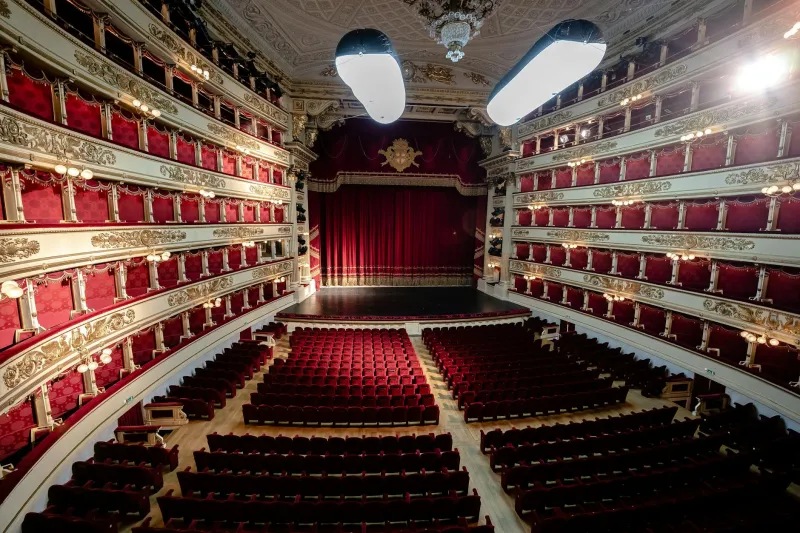
Standing in the centre of her newly redesigned recording studio in Hackney, sound artist Zara Khalil closes her eyes and claps once. The resulting echo doesn't bounce harshly off parallel walls or disappear into acoustic foam. Instead, it blooms and decays with the warm complexity of a Stradivarius note played in La Scala's storied horseshoe.
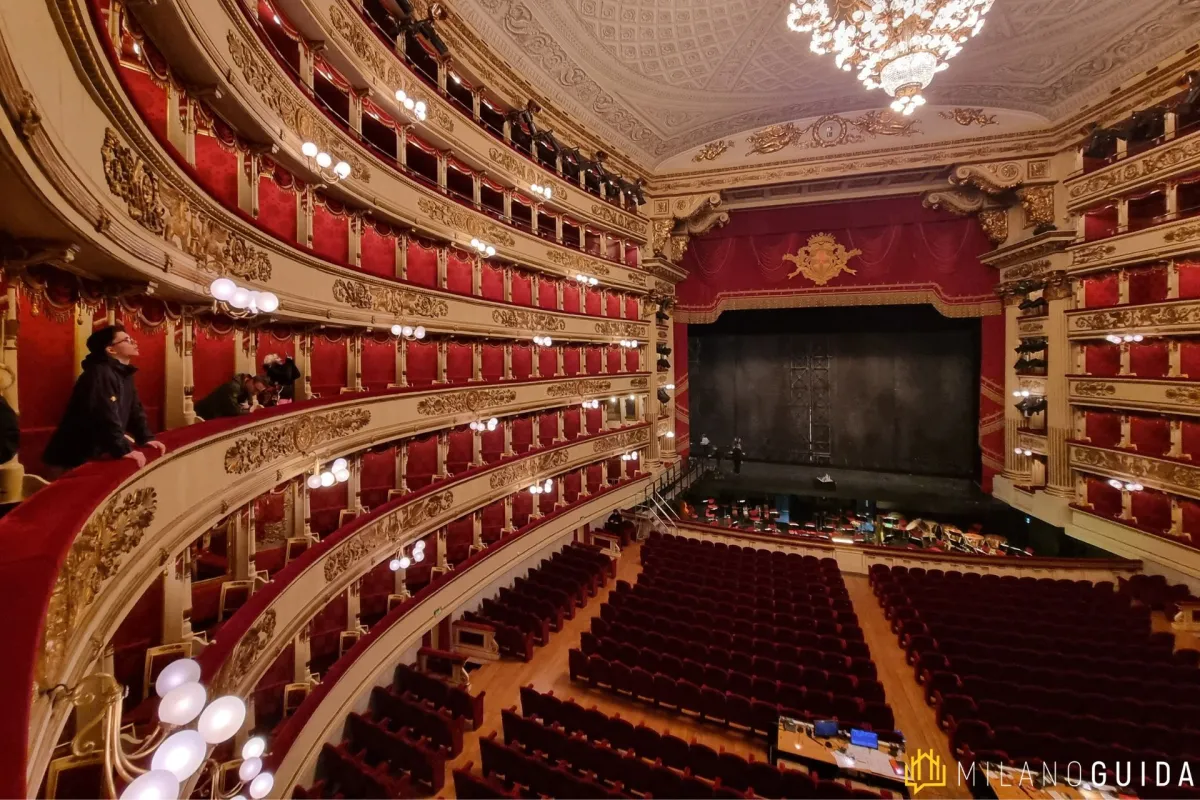 Photo: La Scala, via image.jimcdn.com
Khalil's studio renovation was inspired by a pilgrimage to Italy's great opera houses, where she discovered that acoustic excellence isn't achieved through modern technology but through architectural principles refined over centuries. Now, her East London workspace incorporates curved walls, strategic material choices, and proportional relationships borrowed directly from Renaissance acoustic masters.
"Modern studios focus on deadening sound," Khalil explains, running her hand along a subtly curved plaster wall. "But Italian acoustic design is about shaping it, guiding it, making it beautiful. The difference is like comparing a muted conversation to sung poetry."
Lessons from La Scala
Italy's historic performance spaces weren't designed by acoustic engineers — they were shaped by builders who understood sound as a living force requiring architectural partnership. The Teatro alla Scala's famous horseshoe shape, the Sistine Chapel's precise proportions, the Chiesa di San Lorenzo's floating dome — each represents centuries of empirical acoustic research.
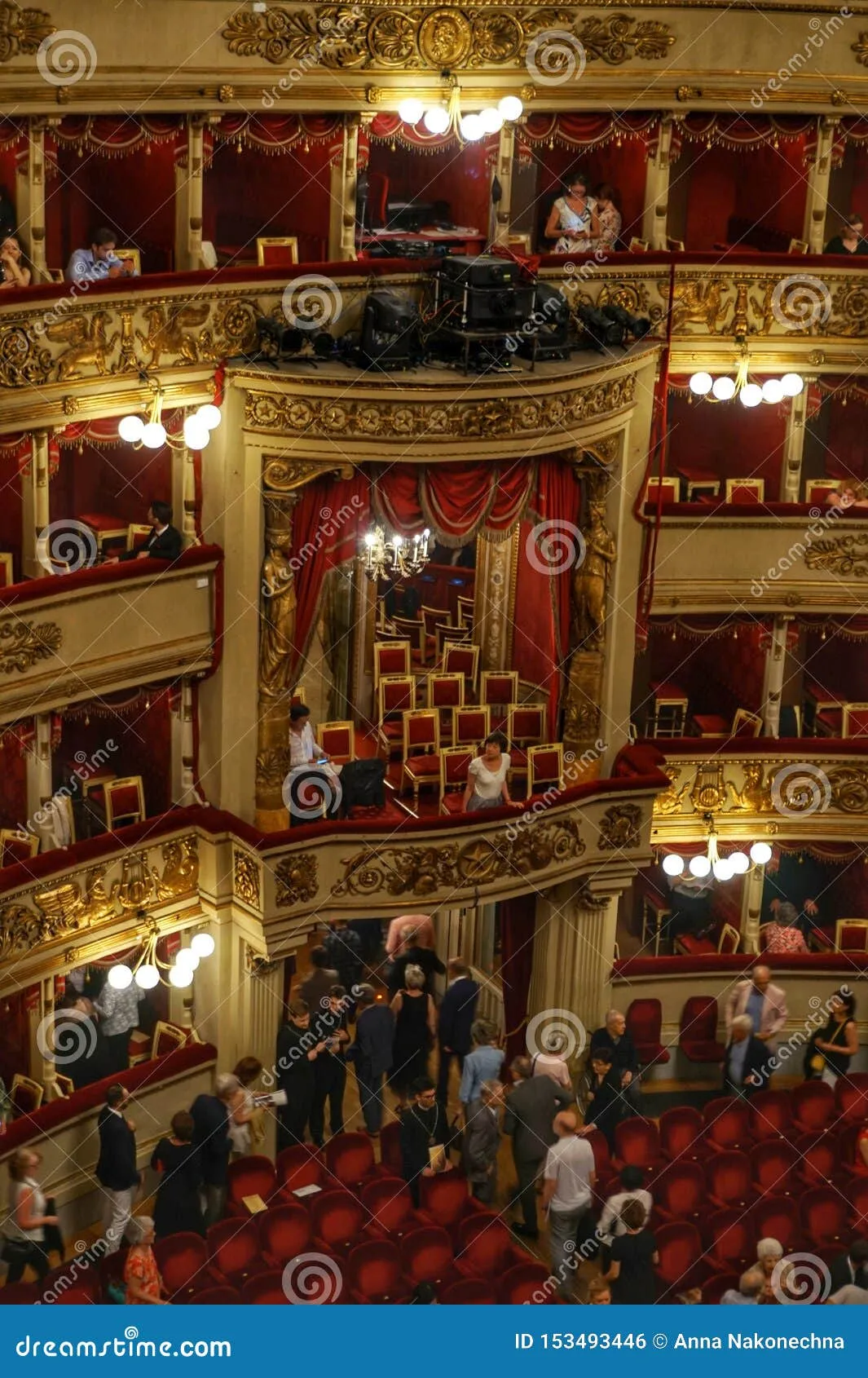 Photo: Teatro alla Scala, via thumbs.dreamstime.com
Acoustic consultant Maria Santos, who divides her time between Milan and Manchester, has spent years studying these spaces. "What the Italians understood is that sound isn't just about hearing — it's about feeling," she explains. "Their buildings don't just deliver sound to your ears; they envelope your entire body in harmonic resonance."
Santos now applies these principles to contemporary British creative spaces, translating baroque wisdom into modern studio design. Her client list includes podcasters in Birmingham, composers in Bristol, and visual artists who've discovered that acoustic environment profoundly affects their creative process.
Beyond the Recording Booth
The acoustic revolution isn't limited to music makers. Painter Rebecca Thompson redesigned her Surrey studio after experiencing the acoustic intimacy of Florence's Cappella Brancacci. "I never realised how much environmental sound affected my concentration," she admits. "Working in a space with beautiful acoustics is like painting in perfect light — you don't notice it consciously, but everything flows differently."
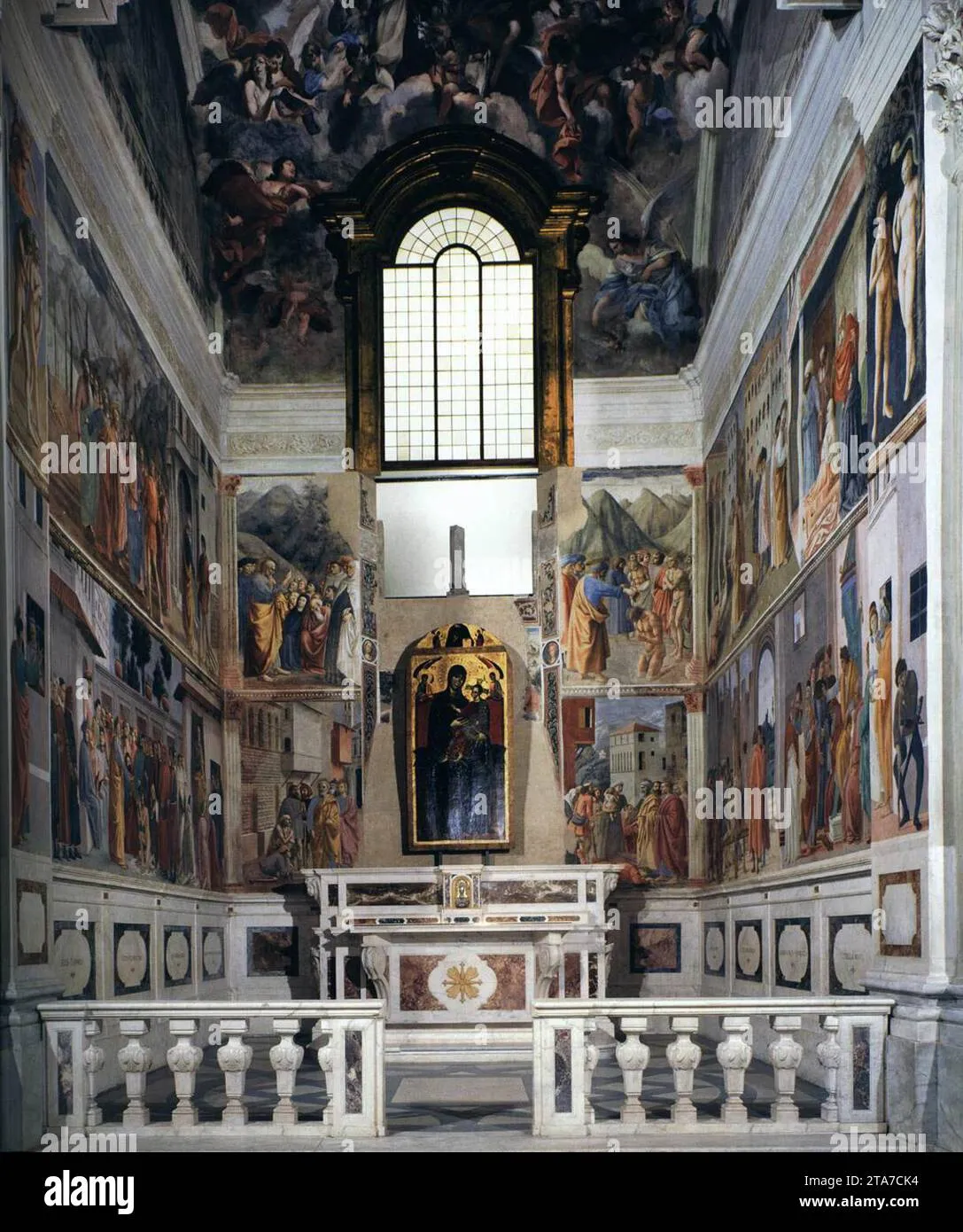 Photo: Cappella Brancacci, via c8.alamy.com
Thompson's studio now features curved corners inspired by Renaissance chapel design and carefully chosen materials that absorb harsh frequencies while preserving harmonic ones. "I can hear my brush against canvas, the subtle scrape of palette knife on paint. These tiny sounds that were lost in my old space turn out to be crucial feedback for my process."
Podcaster and radio producer James Fletcher took a similar approach when converting a Victorian terraced house in Brighton into his production studio. Rather than installing standard acoustic treatment, he studied the proportional relationships found in Italian baroque churches.
"Most home studios sound like padded cells," Fletcher observes. "But conversation needs some acoustic life to feel natural. Italian church acoustics taught me how to create intimacy without deadness."
The Science of Sacred Spaces
Dr. Sarah Mitchell, an architectural acoustician at the University of Bath, has researched why Italian historic spaces consistently produce superior acoustic experiences. "They understood reverberation time intuitively," she explains. "A 1.8-second decay in a concert hall, 2.5 seconds in a cathedral — these aren't arbitrary numbers. They're the sweet spots where human voices and instruments sound most natural."
Mitchell's research reveals that Italian builders also mastered the art of acoustic focusing — using curved surfaces and strategic material placement to direct sound energy precisely where needed. "In Sant'Andrea in Mantua, every whisper from the altar reaches the back pews clearly. That's not accident — that's architectural genius."
These principles translate directly to modern creative workspaces. Curved walls eliminate standing waves that muddy sound. Strategic use of hard and soft materials creates controlled reflection patterns. Proportional room dimensions prevent acoustic dead spots.
Material Wisdom
Italian acoustic mastery extends to material selection. The plaster used in historic performance spaces contains specific aggregates that absorb high frequencies while reflecting midrange ones. Stone choices affect bass response. Even the type of mortar influences overall acoustic character.
Architect Tom Bradley, who specialises in creative workspace design, sources traditional lime plasters from Italian suppliers for his acoustic projects. "Modern materials often solve acoustic problems by elimination — they remove unwanted frequencies," he explains. "Italian traditional materials solve problems by transformation — they shape sound into something more beautiful."
Bradley's recent project, a collaborative workspace for digital artists in Shoreditch, features walls finished with traditional Venetian plaster containing marble dust. "The artists report feeling more focused, more creative. They can't always articulate why, but the acoustic environment is supporting their work in ways they don't consciously recognise."
The Collaborative Frequency
Perhaps most intriguingly, several British creative collectives have discovered that Italian acoustic principles enhance collaborative work. The Collective Studio, a shared workspace in Glasgow, redesigned their main collaboration area based on the proportions of Palladio's Teatro Olimpico.
"Conversation flows differently now," reports co-founder Lisa Chen. "People naturally speak more thoughtfully, listen more carefully. It's like the room itself encourages better dialogue."
This phenomenon reflects research showing that acoustic environment affects not just what we hear but how we communicate. Spaces with harsh acoustics promote defensive postures and shortened exchanges. Harmonious acoustic environments encourage openness and creativity.
Building Better Sound
Implementing Italian acoustic wisdom doesn't require Renaissance budgets. Santos recommends starting with room proportions — avoiding perfect squares or cubes that create standing waves. "Even small adjustments matter," she notes. "Angling one wall by just a few degrees can transform a space's acoustic character."
Simple material swaps can yield dramatic improvements. Replacing parallel hard surfaces with one curved or angled wall eliminates flutter echo. Strategic placement of books, fabrics, and wooden objects creates the varied surface textures that Italian spaces use to manage reflection patterns.
"The goal isn't perfect silence," emphasises Khalil. "It's acoustic beauty — sound that supports rather than distracts from creative work."
The Future of Acoustic Design
As remote work and home studios become permanent fixtures of British creative life, acoustic design principles developed in Italian performance spaces offer practical solutions for contemporary challenges. The same techniques that allow opera singers to fill La Scala without amplification can help podcasters achieve intimate sound in spare bedrooms.
"We're rediscovering that acoustic environment shapes creative output as fundamentally as visual environment," concludes Mitchell. "Italian masters understood this centuries ago. We're finally catching up."
In an age of digital audio processing and artificial intelligence, the ancient Italian understanding of acoustic space offers something irreplaceably human: environments that don't just deliver sound but transform it into something approaching music. For Britain's creative community, that transformation is proving as essential as proper lighting or comfortable furniture — a foundation for work that resonates long after the last echo fades.