The Magic Between Five and Seven
There's a particular alchemy that happens in Italian piazzas every evening around five o'clock. As the afternoon light softens and the working day officially ends, something beautiful unfolds: aperitivo. It's not quite dinner, not quite a meeting, not quite a party—but somehow manages to be more meaningful than all three combined.
Now, Britain's creative professionals are catching on to what Italians have known for centuries: the most transformative conversations don't happen in boardrooms or at formal networking events. They happen in that liminal space between obligation and leisure, when guards drop and genuine connection becomes possible.
Beyond the Spritz: What Aperitivo Really Means
Whilst many Brits might recognise aperitivo as "that thing with the orange drinks," the tradition runs far deeper than Aperol and olives. At its heart, aperitivo represents a deliberate pause—a structured informality that creates space for ideas to breathe and relationships to develop organically.
"The British approach to networking has always been quite transactional," observes Maria Castellano, who runs creative gatherings at her East London studio. "We meet for coffee to discuss a project, we attend events to collect business cards. But aperitivo isn't about immediate outcomes—it's about planting seeds."
This philosophy is reshaping how creative communities across Britain think about professional relationships. Rather than the hurried exchanges of traditional networking, aperitivo culture encourages what Italians call 'conversazione'—unhurried dialogue that allows personalities and possibilities to emerge naturally.
The New Creative Salons
In Manchester's Northern Quarter, photographer James Whitworth has been hosting weekly aperitivo sessions in his converted warehouse studio since 2022. "We started with just a few bottles of Negroni Sbagliato and whatever was left in the fridge," he laughs. "Now we have illustrators collaborating with textile designers, copywriters connecting with ceramicists—connections that would never have happened at a formal networking do."
 Photo: James Whitworth, via images.mubicdn.net
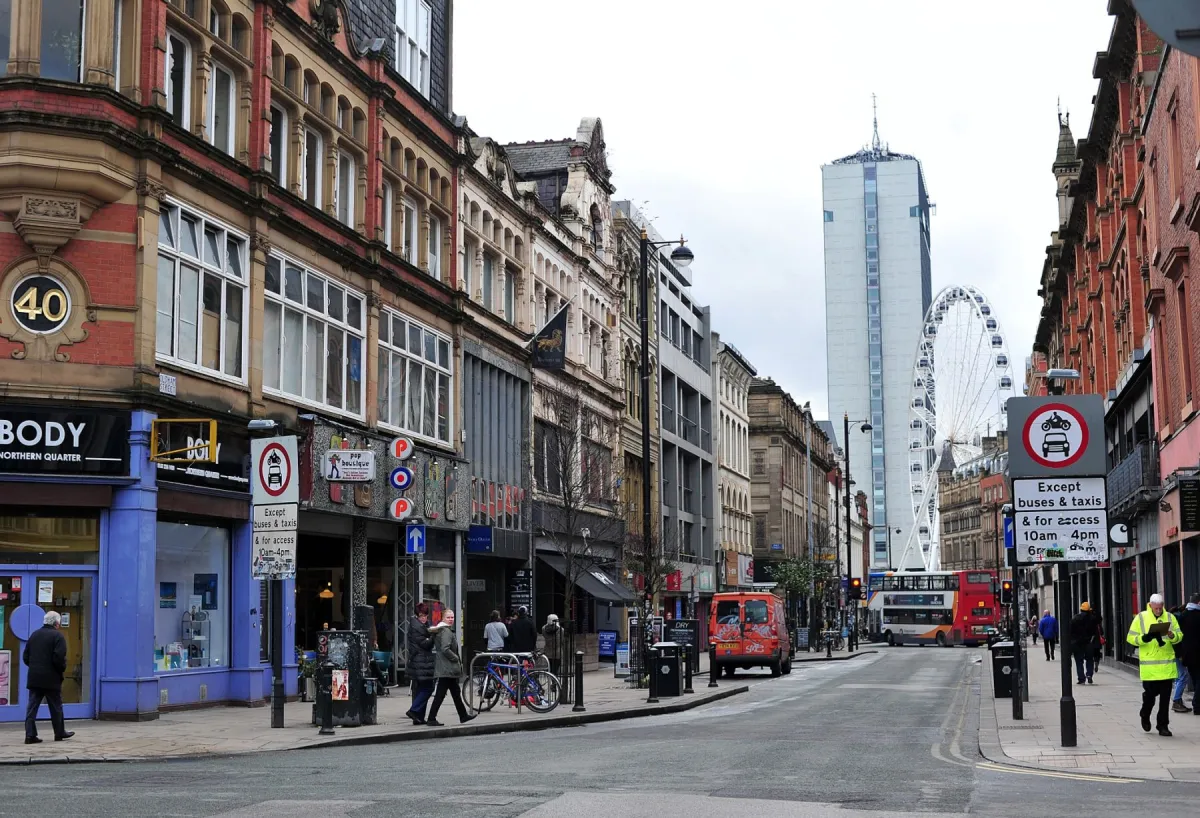 Photo: Manchester's Northern Quarter, via i2-prod.manchestereveningnews.co.uk
The format is deceptively simple: every Thursday from 5:30 to 7:30, the studio doors open to any creative professional. There's no agenda, no presentations, no awkward icebreakers. Just good drinks, simple food, and the kind of meandering conversations that spark unexpected collaborations.
Similar gatherings have emerged across Britain's creative centres. In Edinburgh, the collective 'Pausa Creativa' meets monthly in different venues across the Old Town, always maintaining the same unhurried rhythm. London's 'Studio Sociale' has become so popular that they've expanded to three different locations, each maintaining the intimate scale that makes genuine connection possible.
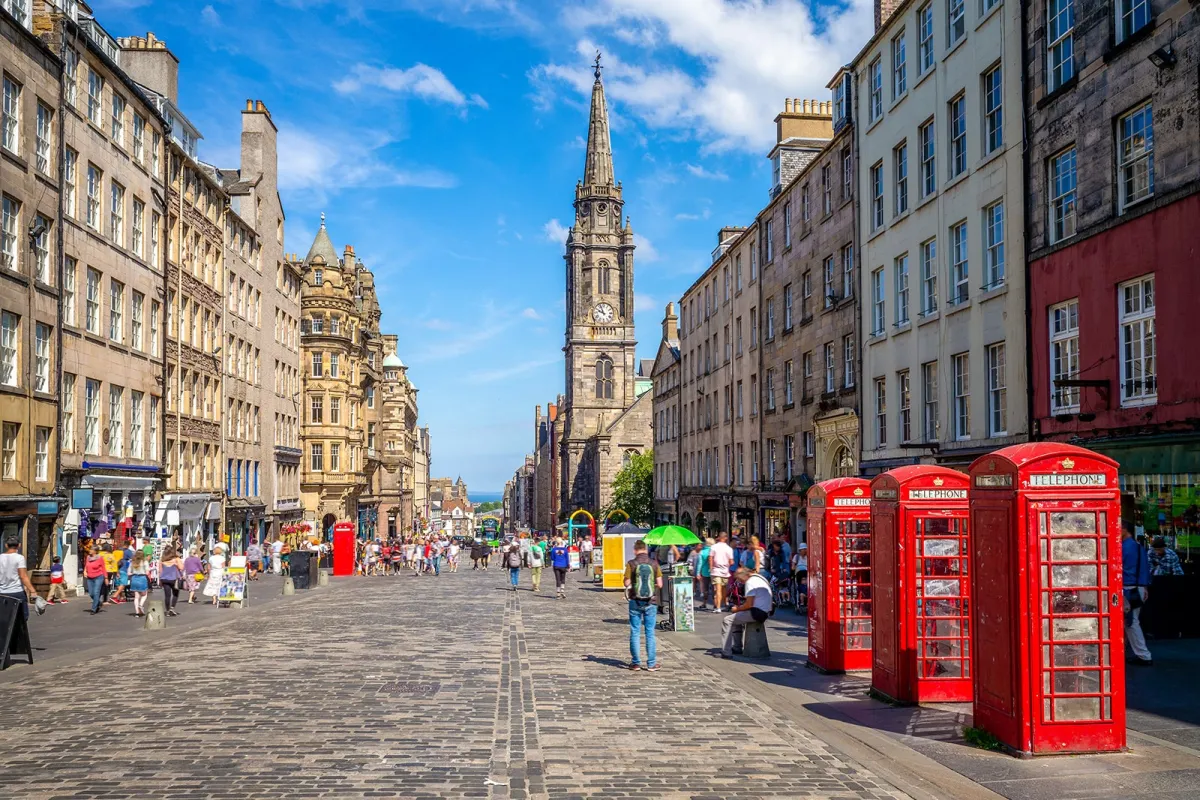 Photo: Edinburgh's Old Town, via a.cdn-hotels.com
The Art of Purposeful Looseness
What sets these gatherings apart from typical British socialising is their embrace of what Italians call 'sprezzatura'—that studied nonchalance that appears effortless but is actually carefully crafted. The timing matters: late enough that the working day feels complete, early enough that it doesn't compete with dinner plans. The setting matters: somewhere that feels welcoming but not overly formal. The refreshments matter: quality over quantity, with an emphasis on sharing rather than consumption.
"It's about creating the right container," explains Sophie Chen, who organises monthly aperitivo sessions for London's design community. "Too structured and it feels like work. Too loose and it becomes just another drinks party. The Italian model gets this balance perfectly."
Building Your Own Creative Aperitivo
For creatives looking to establish their own aperitivo tradition, the Italian approach offers a proven blueprint. Start small—six to eight people maximum for your first few gatherings. Choose a consistent time and place, ideally somewhere with natural light and comfortable seating that encourages conversation over standing around.
The refreshments needn't be elaborate. A few bottles of good wine, some sparkling water, simple nibbles that don't require plates or cutlery. The key is creating an atmosphere of abundance without waste—enough that people feel welcomed, not so much that consumption becomes the focus.
Most importantly, resist the urge to over-programme. No presentations, no formal introductions beyond first names and creative disciplines. Trust the format to work its magic. As any Italian will tell you, the best conversations happen when you're not trying too hard to make them happen.
The Ripple Effect
What's remarkable about the aperitivo approach is how it transforms not just the immediate gathering, but the broader creative ecosystem. Regular attendees report feeling more connected to their local creative community, more aware of collaborative opportunities, more willing to share resources and knowledge.
"It's created this sense of creative citizenship," observes cultural researcher Dr. Rebecca Martinez, who has been studying the phenomenon. "People start thinking beyond their individual practice to consider how they can contribute to the wider creative ecology."
This shift from competition to collaboration reflects a broader change in how Britain's creative professionals are approaching their careers. In an increasingly fragmented gig economy, these informal networks provide both practical support and creative inspiration.
La Dolce Vita, British Style
As aperitivo culture continues to spread across Britain's creative communities, it's adapting to local conditions whilst maintaining its essential character. Glasgow's gatherings might feature local gin alongside Italian vermouth. Birmingham's sessions incorporate the city's incredible food scene. But the core principle remains unchanged: creating space for human connection in our increasingly digital world.
Perhaps that's the real genius of aperitivo—it doesn't demand wholesale cultural transformation, just a willingness to slow down and savour the conversations that make creative life worth living. In a world of Zoom calls and instant messages, sometimes the most radical act is simply sitting down together as the day winds down, raising a glass, and seeing what emerges.