The Revolution Simmers Slowly
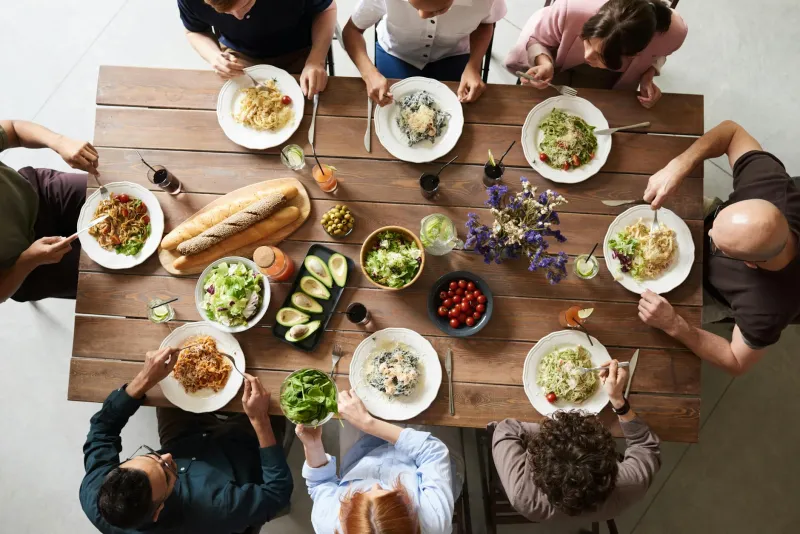
In a converted warehouse in Hackney, textile designer Sarah Chen is rolling out sheets of fresh pasta whilst discussing colour theory with three fellow creatives. This isn't just dinner—it's a masterclass in community building that would make any Italian nonna proud. Across Britain, a quiet revolution is bubbling away in kitchens, as creative professionals trade hurried pub meetups for the slower, more intentional ritual of sharing homemade meals.
The movement draws its inspiration from Italy's Slow Food philosophy, born in the Piedmontese town of Bra in 1986 as a response to the encroaching fast food culture. But in Britain's creative communities, it's evolved into something more profound: a deliberate act of resistance against the digital overwhelm that dominates modern creative life.
"When you're kneading dough together, you can't check your phone," explains Marcus Wright, a graphic designer who hosts monthly 'Tavola Creativa' evenings in his Bristol studio. "There's something about the rhythm of preparing food that opens up conversations you'd never have in a coffee shop."
From Antipasti to Artistic Breakthroughs
The anatomy of these creative dinner parties follows a distinctly Italian template, yet celebrates British produce with evangelical fervour. Picture this: a photographer's kitchen in Edinburgh becomes a temporary gallery space, where locally foraged mushrooms are transformed into risotto whilst prints hang drying overhead. Or a ceramicist's dining room in the Cotswolds, where guests craft handmade orecchiette using flour from a nearby mill, each conversation weaving through technique, inspiration, and the peculiar challenges of making art in post-Brexit Britain.
These gatherings aren't about showing off culinary prowess—they're about creating what Italians call 'convivialità', that untranslatable sense of joyful togetherness that emerges when people share food prepared with care. British creatives are discovering that this ancient ritual serves as a powerful antidote to the isolation that often accompanies creative work.
"I've solved more creative problems over a shared plate of carbonara than in any brainstorming session," admits jewellery designer Priya Patel, who runs a monthly supper club for London's independent makers. "There's something about eating together that breaks down the professional barriers. People become more generous with their ideas, more willing to collaborate."
The Art of Intentional Gathering
What sets these Italian-inspired creative dinners apart from typical networking events is their emphasis on process over product. Guests might spend two hours making fresh tortellini together, discussing everything from the politics of public arts funding to the meditative qualities of repetitive hand movements. The meal becomes secondary to the making—a philosophy that mirrors the Slow Food movement's emphasis on understanding where our sustenance comes from.
In Manchester's Northern Quarter, architect James Morrison has transformed his monthly dinner parties into unofficial creative residencies. "We always start by preparing something together—last month it was hand-rolled pici with a sauce made from tomatoes grown on my studio's rooftop," he explains. "By the time we sit down to eat, we've already been collaborating for hours. The ideas that emerge over dinner feel more authentic, less forced."
These gatherings often follow the Italian tradition of antipasti—not just as a culinary practice, but as a metaphor for creative exchange. Just as a proper antipasto course offers small tastes that prepare the palate for what's to come, these creative dinners begin with gentle sharing: someone might bring sketches from their morning walk, another shares a new technique they've been experimenting with.
Regional Flavours, Creative Bonds
The beauty of Britain's adoption of Slow Food principles lies in how regional differences enhance rather than homogenise the experience. In Scotland, creative dinner parties might centre around locally caught seafood prepared using techniques learned from Sicilian fishing communities. Welsh artist collectives gather around hearty ribollita made with vegetables from community gardens, whilst Cornish makers bond over handmade gnocchi shaped like tiny pasties—a playful nod to local culinary heritage.
"It's not about recreating Italy in Britain," clarifies food stylist and photographer Elena Rossi, who documents these creative gatherings across the UK. "It's about borrowing their wisdom around food as a vehicle for human connection, then making it distinctly British."
The Ripple Effect
Perhaps most remarkably, these Italian-inspired creative dinners are generating tangible professional outcomes. Collaborative projects born over shared meals are popping up across Britain's creative landscape: a series of limited-edition ceramics created by potters who met at a pasta-making evening, a textile collection inspired by conversations over homemade focaccia, architectural partnerships forged whilst debating the merits of different olive oils.
The slow food philosophy is teaching British creatives that the most nourishing professional relationships, like the best meals, can't be rushed. They require quality ingredients—in this case, genuine curiosity about others' work—careful preparation, and most importantly, the patience to let flavours develop naturally over time.
A Toast to Tomorrow
As Britain's creative communities continue to navigate an increasingly fragmented professional landscape, these Italian-inspired dinner parties offer something invaluable: proof that meaningful connection is still possible, one shared meal at a time. In an era dominated by digital networking and virtual collaborations, the simple act of breaking bread together becomes a radical statement about the value of physical presence and unhurried conversation.
The revolution might be quiet, but its effects are profound. Across Britain, creative professionals are discovering that sometimes the most transformative work happens not in the studio, but around the table—where Italian wisdom meets British ingenuity, one delicious conversation at a time.