The Quiet Revolution Hiding in Plain Sight
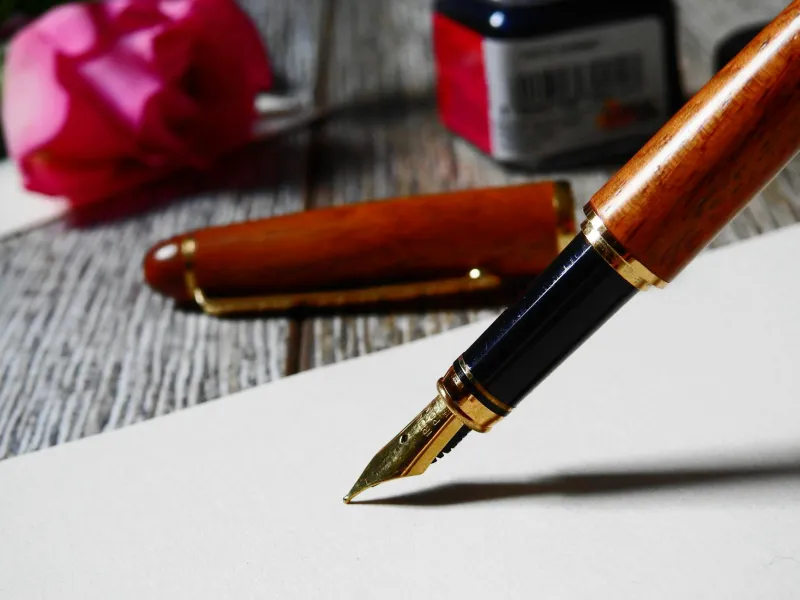
In a converted Victorian warehouse in East London, thirty strangers sit in contemplative silence, fountain pens poised above cream-coloured paper. The only sounds are the gentle scratch of nibs against grain and the occasional rustle of envelope flaps. This is not a scene from 1823 — it's a Thursday evening in 2024, and Britain's creatives are staging their most elegant rebellion yet.
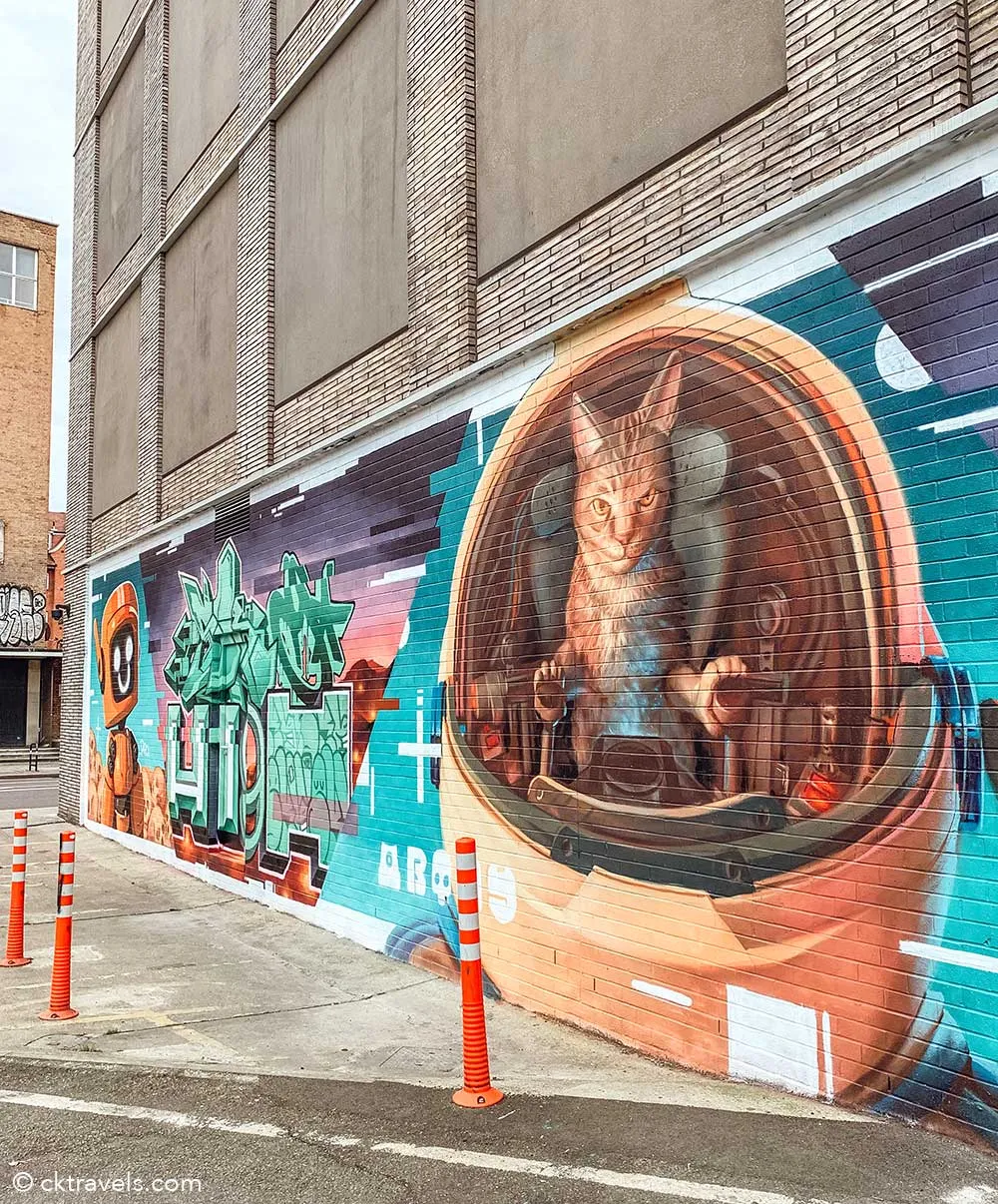 Photo: East London, via www.cktravels.com
Welcome to the renaissance of the handwritten letter, a movement that's sweeping through the UK's creative communities like wildfire wrapped in sealing wax. Inspired by Italy's rich epistolary heritage — from Michelangelo's passionate missives to his nephew to the elegant business correspondence of mid-century Milanese designers — British artists, writers, and makers are rediscovering the profound power of pen on paper.
Beyond Nostalgia: The Strategic Art of Slow Communication
This isn't merely a hipster trend or misty-eyed nostalgia for simpler times. The creatives leading this charge understand something fundamental that the digital age has obscured: the handwritten letter is perhaps the most sophisticated form of creative expression we possess.
"When I write by hand, my thoughts move differently," explains Sarah Chen, a graphic designer from Manchester who founded the Northern Letter Society after a transformative trip to Bologna. "The physical resistance of the paper, the weight of the ink — it forces you to be more intentional with every word. It's like the difference between speed-sketching and oil painting."
Chen's society now boasts over 400 members across the North West, from textile artists in Lancaster to ceramicists in Sheffield. Their monthly gatherings have become legendary — part writing workshop, part meditation session, part social salon. Members bring their finest stationery, share techniques for achieving the perfect ink flow, and exchange letters with strangers who become friends through the intimacy of handwritten words.
The Alchemy of Materials
The resurgence has sparked a parallel renaissance in Britain's artisan stationery scene. Traditional papermakers like James Cropper in the Lake District report unprecedented demand for their handmade sheets, whilst independent shops specialising in fountain pens and sealing wax are opening from Edinburgh to Brighton.
 Photo: Lake District, via www.tripsavvy.com
Tom Whitworth, whose family has been making paper in Somerset for five generations, describes the transformation: "We've gone from barely surviving to having a six-week waiting list. People want papers with character — cotton rag, watermarks, deckle edges. They're choosing materials as carefully as a Renaissance master chose pigments."
The ritual of selection has become part of the art form itself. Letter writers speak of spending hours choosing the perfect combination of paper weight, ink colour, and envelope style for each recipient. Some maintain extensive libraries of stationery, categorised by occasion, season, or emotional intent.
Italian Inspiration, British Innovation
The movement draws deep inspiration from Italy's unbroken tradition of beautiful correspondence. In Florence, the Officina Profumo-Farmaceutica di Santa Maria Novella still sells the same handmade papers that graced the desks of the Medici. In Milan, vintage stationery shops preserve the elegant letterheads of legendary design houses like Olivetti and Cassina.
But Britain's letter writers aren't simply copying Italian style — they're creating something distinctly their own. The aesthetic emerging from UK studios blends Mediterranean elegance with British practicality: sturdy papers that withstand our damp climate, inks that flow smoothly despite our hard water, and designs that reflect our particular blend of tradition and innovation.
London-based calligrapher Emma Thompson has built a thriving practice teaching what she calls "contemporary epistolary art" — letter writing that honours historical techniques whilst embracing modern sensibilities. Her workshops regularly sell out, attracting everyone from tech executives seeking digital detox to fashion designers hunting for authentic inspiration.
The Salon Society
Perhaps the most fascinating aspect of this revival is how it's fostering genuine human connection in an increasingly isolated world. Letter-writing salons have emerged in cities across Britain, creating spaces where strangers become correspondents and correspondence becomes community.
At the monthly Letter Circle in Bath, hosted in the Georgian Assembly Rooms, participants write to absent friends, distant relatives, or complete strangers whose addresses they've found through pen-pal networks. The atmosphere is part library, part café, part confessional — a space where vulnerability and creativity intertwine.
"There's something profoundly intimate about receiving a handwritten letter," observes Dr. Rebecca Morris, a cultural anthropologist at Cambridge who's studying the phenomenon. "The sender has invested time, thought, and physical effort. You can see their hesitations in the crossed-out words, their excitement in the flourishes. It's the opposite of a text message — it can't be dashed off or auto-corrected into perfection."
The Creative Resistance
For many participants, letter writing represents a deliberate act of creative resistance against the acceleration of digital life. In a world of instant messages and emoji reactions, the handwritten letter demands patience, reflection, and commitment.
"It's the ultimate slow art," argues James Patterson, a photographer from Glasgow who writes one letter every morning before checking his phone. "You can't rush a good letter. You can't copy and paste your way through it. Every word has to be earned."
This philosophy extends beyond personal correspondence. Design studios are using handwritten notes in client communications, discovering that the tactile surprise of a physical letter cuts through digital noise like nothing else. Wedding planners report surging demand for handwritten invitations, whilst businesses from boutique hotels to artisan bakeries are rediscovering the marketing power of beautiful, personal letters.
The Future Written by Hand
As Britain's letter-writing renaissance continues to gather momentum, its influence is spreading far beyond the creative industries. Universities are introducing calligraphy courses, libraries are hosting letter-writing workshops for children, and even tech companies are encouraging employees to maintain analogue correspondence as a form of mindfulness practice.
The movement represents something profound about our relationship with creativity and communication. In choosing the handwritten letter, Britain's creatives aren't rejecting modernity — they're reclaiming agency over how and when they connect with others. They're insisting that some forms of human expression deserve more than the fleeting attention span of a notification.
As the fountain pen scratches across paper in workshops from Cornwall to the Highlands, a new chapter in British creative culture is being written by hand — slowly, deliberately, and beautifully. In our rush towards an ever-faster future, perhaps the most radical act is simply to pause, pick up a pen, and write.