When Water Becomes Canvas
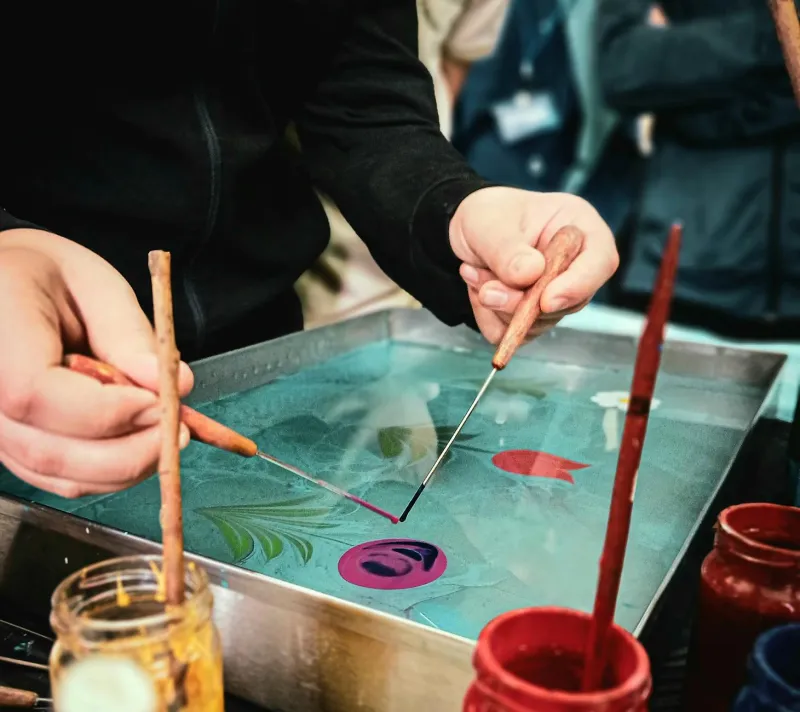
In a converted Victorian warehouse in East London, Sarah Mitchell dips a comb through what looks like liquid silk. Colours ripple and dance across the surface of her marbling bath—deep indigo bleeding into burnished gold, creating patterns that seem to breathe. This is ebru, the ancient art of paper marbling, and it's quietly revolutionising Britain's creative landscape.
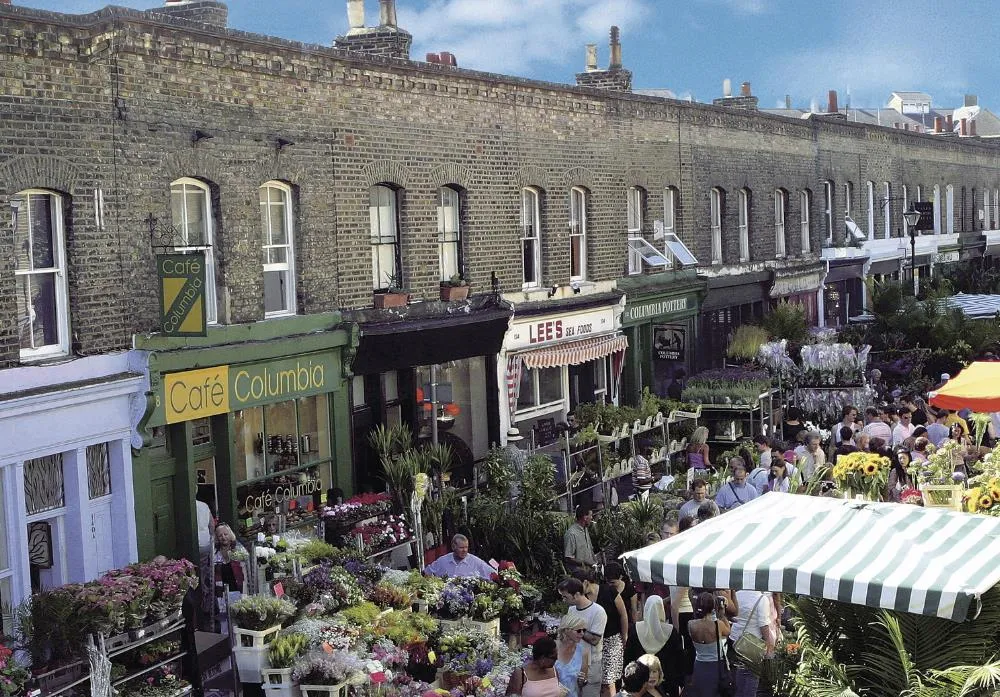 Photo: East London, via www.bestthingstodo.co.uk
"There's something almost mystical about it," Sarah explains, lifting a sheet of handmade paper from the floating pigments. "You can guide the colours, but you can never fully control them. In our hyper-digital world, that surrender feels radical."
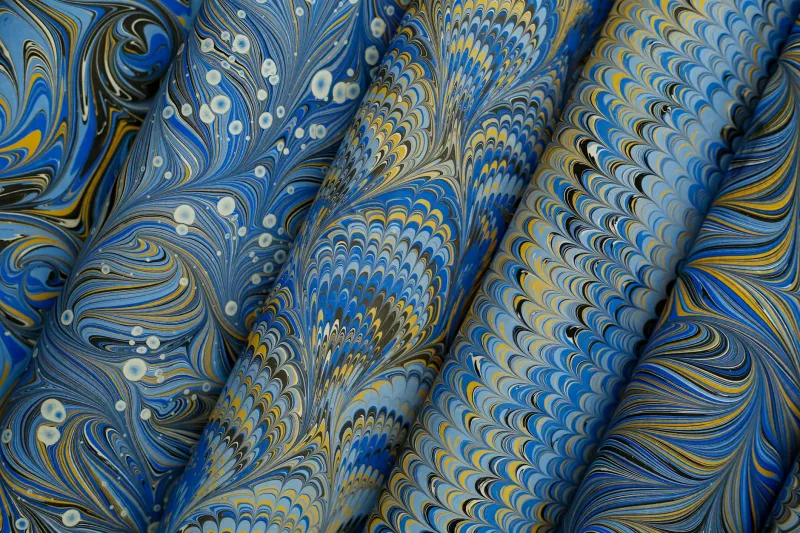
Sarah is part of a growing movement of British makers who are reviving this centuries-old craft, bringing Ottoman secrets into contemporary studios from Glasgow to Brighton. What began in 15th-century Turkey as ebru—literally meaning "cloud art"—travelled through Venice's trading routes, where Italian artisans refined it into carta marmorizzata, the marbled papers that still line the inside covers of precious books today.
The Guild Secrets That Nearly Vanished
For centuries, the precise techniques of paper marbling were closely guarded by Florentine guilds. Master craftsmen would take their formulas to the grave, creating papers so exquisite they were reserved for papal documents and royal bindings. The process seemed almost alchemical: ox gall mixed with natural pigments, floated on a bath of carrageenan, then manipulated with quills and combs to create patterns that seemed to capture the very essence of water itself.
By the 18th century, mechanical printing began to eclipse these handmade techniques. The Industrial Revolution promised efficiency over artistry, and gradually, the knowledge began to fade. What survived did so in the margins—in small workshops tucked away in Venice's backstreets, in the studios of bibliophiles who refused to let the craft die.
Britain's Quiet Renaissance
Today, something remarkable is happening in Britain's creative communities. From bookbinders in Bath to textile artists in Edinburgh, makers are rediscovering the meditative power of marbling. It's not nostalgia driving this revival—it's necessity.
"After spending twelve hours a day staring at screens, there's something profoundly healing about working with your hands," says James Hartwell, a former graphic designer who now runs marbling workshops from his Cotswolds studio. "The unpredictability forces you to be present. You can't multitask when you're marbling—the patterns demand your complete attention."
James discovered the craft during lockdown, initially as a way to create unique covers for the journals he was binding. What started as a practical skill became an obsession. He spent months perfecting his carrageenan mixture, sourcing natural pigments, and learning to read the subtle signs that indicate when a bath is ready for marbling.
Where Italian Tradition Meets British Innovation
Contemporary British marblers aren't simply recreating historical patterns. They're pushing the craft into new territories, blending traditional Italian techniques with distinctly British sensibilities. In Manchester, textile artist Priya Patel uses marbled papers as templates for her fabric designs, creating saris that echo the flowing patterns of Renaissance endpapers. In Cornwall, ceramicist Tom Bradley applies marbling principles to his glazes, creating vessels that capture the movement of water on clay.
"The Italians perfected the technical aspects," explains Dr. Emma Richardson, a craft historian at the Victoria and Albert Museum. "But what we're seeing in Britain is something different—a willingness to experiment, to push boundaries whilst respecting the core principles. It's very British in its approach: respectful but not reverential."
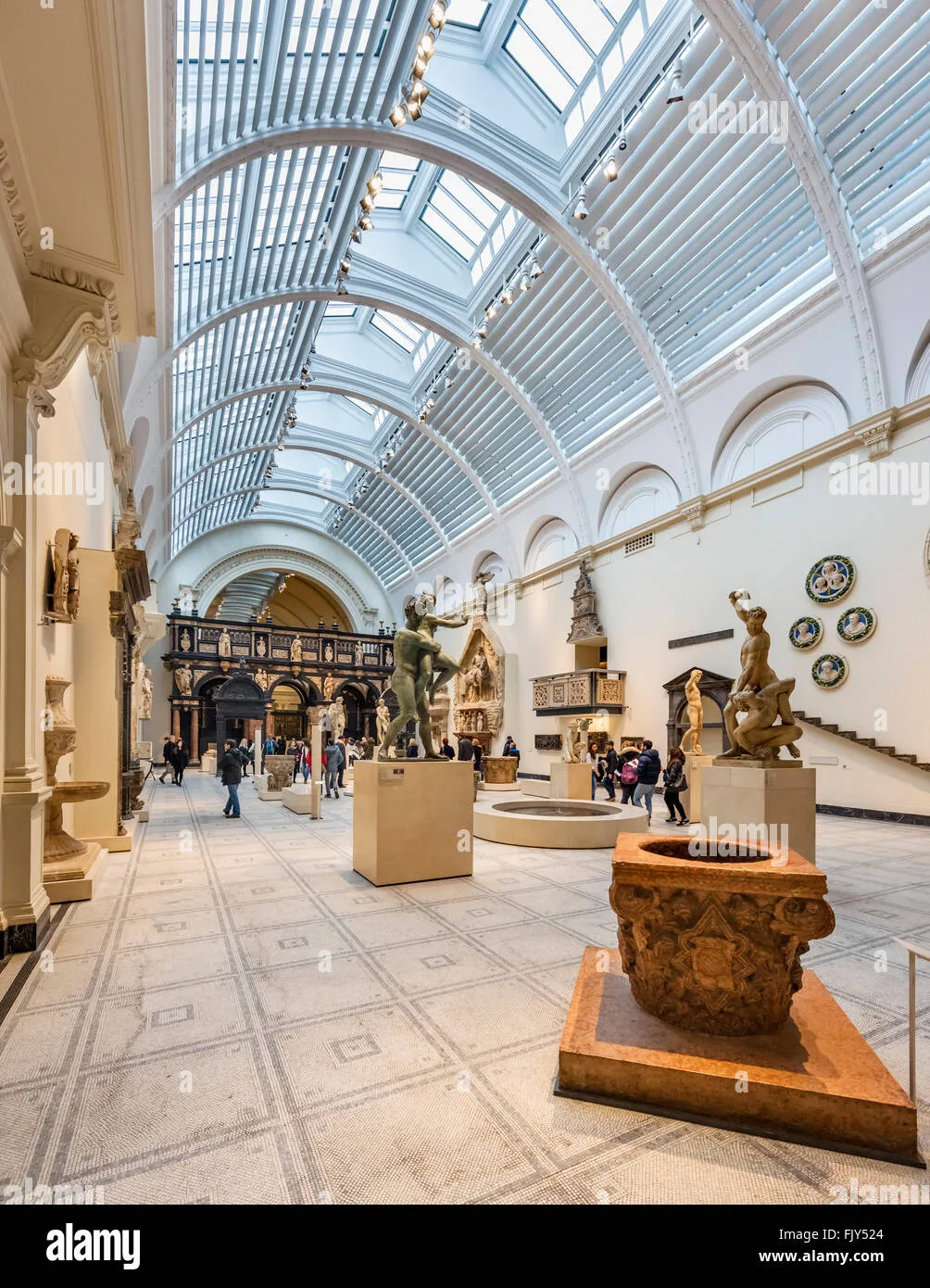 Photo: Victoria and Albert Museum, via c8.alamy.com
The Alchemy of Imperfection
Perhaps what draws contemporary British artists to marbling is its embrace of beautiful accidents. In an age of digital perfection, where every pixel can be controlled and every outcome predicted, marbling offers something precious: the possibility of surprise.
"You can spend years learning to create specific patterns," says Rebecca Chen, who teaches marbling at Central Saint Martins. "But the most magical moments happen when you let go of control. When you accept that the water knows things you don't."
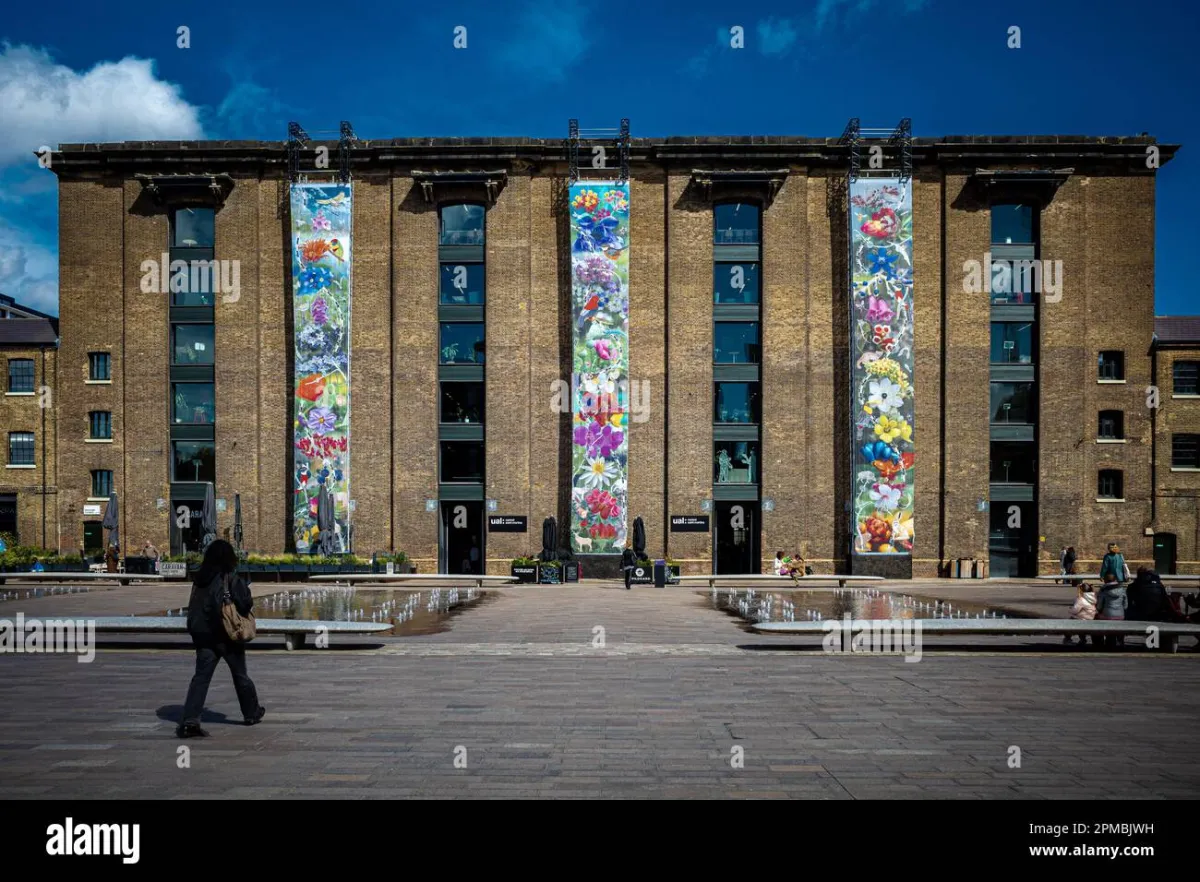 Photo: Central Saint Martins, via c8.alamy.com
Her students—many of them digital natives seeking tactile experiences—find themselves transformed by the process. They arrive expecting to master a technique and leave understanding something deeper about creativity itself.
A Craft for Our Times
As Britain's creative industries grapple with burnout and digital fatigue, marbling offers more than just a new skill—it provides a different way of being creative. The craft demands patience, presence, and acceptance of imperfection. These aren't just artistic principles; they're antidotes to our culture of instant gratification and endless revision.
The papers these artists create tell stories that Photoshop cannot: tales of weather affecting pigment flow, of the maker's mood influencing colour choices, of happy accidents that become defining features. Each sheet is unrepeatable, carrying within its fibres the memory of water, the breath of the artist, the particular humidity of that specific day.
In Sarah's London studio, she lifts another marbled sheet to dry, its surface alive with patterns that seem to shift in the afternoon light. "Every piece teaches you something," she reflects. "About patience, about beauty, about accepting what you cannot control. In a world that feels increasingly chaotic, there's something deeply comforting about making peace with uncertainty."
This is marbling's true gift to Britain's creative renaissance: not just beautiful papers, but a practice that transforms the maker as much as the material. In these floating colours and flowing forms, ancient wisdom meets contemporary need, creating something entirely new whilst honouring something timelessly true.