The Alchemy of Ancient Walls
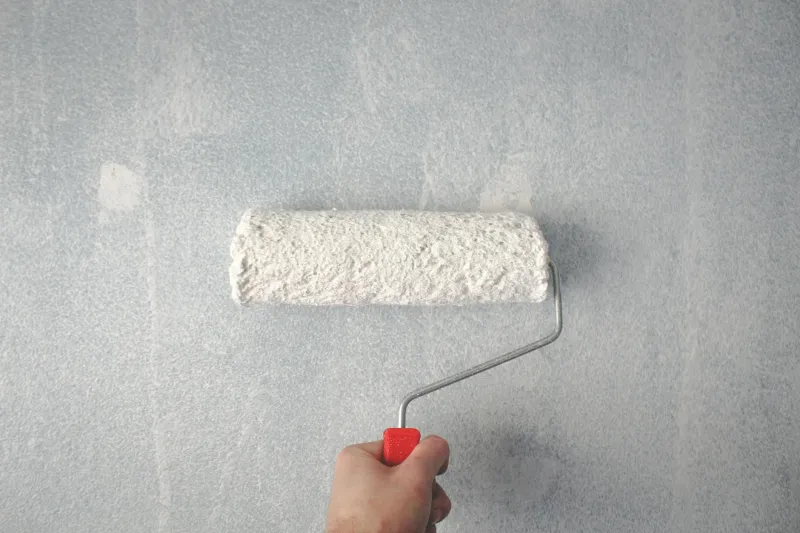
In a converted Victorian warehouse in Hackney, Sarah Chen dips her brush into a mixture that would be familiar to Renaissance masters. The concoction—lime, pigment, and centuries of Italian wisdom—spreads across the brick wall in soft, translucent layers. What emerges isn't merely colour, but something approaching magic: depth, warmth, and a quality of light that seems impossible in London's perpetual drizzle.
"Traditional paint sits on the surface," Chen explains, stepping back to assess her work. "But limewash becomes part of the wall. It breathes, it changes, it responds to light in ways that feel almost alive."
Chen is part of a growing movement of British artisans who've fallen under the spell of Italian fresco and limewash techniques. What began as a niche interest amongst restoration specialists has evolved into something approaching a revolution in how we think about colour and texture in British interiors.
When Mediterranean Meets Manchester
The irony isn't lost on practitioners like Edinburgh-based decorator James MacLeod, who's brought these sun-soaked techniques to Scotland's famously grey capital. "People assume these warm, earthy colours won't work in northern light," he says, "but it's precisely because our light is so soft and diffused that these techniques shine."
MacLeod's portfolio reads like a love letter to Italian craft traditions: apartments washed in colours inspired by Tuscan earth, townhouses where walls seem to glow with their own inner light, offices transformed from corporate beige into spaces that feel almost sacred.
The secret lies in the technique itself. Unlike modern paints that create uniform, flat surfaces, traditional Italian colour-washing builds up layers of translucent pigment. Each layer catches and reflects light differently, creating a subtle interplay of tone and texture that responds to changing conditions throughout the day.
The Science of Serenity
Dr. Elena Rossi, a materials scientist turned decorative artist, explains the technical magic behind these ancient methods. Based in Bath, she's spent years perfecting recipes that marry Italian tradition with British practicality.
"Lime-based paints are naturally antibacterial and breathable," she notes. "In our damp climate, that's not just aesthetically pleasing—it's functionally superior. The walls literally help regulate humidity whilst creating this beautiful, ever-changing surface."
Rossi's workshops, held in a Georgian townhouse that serves as both home and laboratory, attract everyone from professional decorators to weekend warriors seeking to transform their living spaces. Her students learn to read walls like landscapes, understanding how different surfaces will accept and reflect the ancient pigments.
Bringing Tuscany to Tottenham
The democratisation of these techniques has been remarkable. What once required years of apprenticeship in Italian ateliers can now be learned in weekend workshops across Britain. Companies like Farrow & Ball have introduced limewash ranges, whilst smaller artisan suppliers offer everything from authentic pigments to modern interpretations of classical techniques.
London-based interior designer Marcus Wright has built his practice around making these techniques accessible to ordinary homeowners. "You don't need a palazzo to benefit from these methods," he insists. "I've seen studio flats transformed by a single accent wall done in proper limewash. The depth and warmth it brings can completely change how a space feels."
Wright's recent project in a Tottenham terrace demonstrates the point perfectly. Working with colours inspired by Umbrian clay and Venetian plaster, he's created rooms that feel both ancient and utterly contemporary—spaces that honour British architectural heritage whilst embracing Italian artisanal wisdom.
The Practical Poetry of Ancient Craft
For those considering incorporating these techniques into their own spaces, the experts offer surprisingly practical advice. Start small, they counsel—perhaps a single wall or alcove where you can experiment with colour and technique without committing to an entire room.
Chen recommends beginning with neutral tones—soft greys inspired by Roman stone, or warm creams that echo Florentine marble. "These colours work beautifully with British light," she explains, "and they provide a foundation you can build upon as you become more confident with the technique."
The process itself requires patience—a quality that aligns perfectly with the Italian concept of slow living. Unlike modern paints that dry quickly and uniformly, limewash develops its character over days and weeks. Each application builds upon the last, creating complexity that can't be rushed or faked.
Beyond Decoration: A Philosophy of Space
What's perhaps most compelling about this trend isn't merely its aesthetic appeal, but what it represents: a rejection of the disposable in favour of the enduring, a preference for handcraft over mass production, an appreciation for materials that age gracefully rather than simply deteriorating.
"These techniques connect us to something deeper than fashion," reflects MacLeod. "They're about creating spaces that feel genuinely nourishing—places that support both creativity and contemplation."
As British creatives continue to embrace these ancient Italian methods, they're not simply importing techniques—they're participating in a tradition that spans centuries and continents. In doing so, they're creating interiors that honour both heritage and innovation, proving that sometimes the most radical act is to look backwards in order to move forward.
In our age of digital overwhelm and environmental concern, perhaps there's profound wisdom in walls that breathe, colours that change with the light, and techniques that connect us to the patient hands of craftspeople across centuries. After all, in a world increasingly dominated by the artificial, there's something deeply subversive about surrounding ourselves with materials that remain fundamentally, beautifully alive.