The Death of the Power Hour
Walk into any London creative agency at 6pm on a Thursday, and you'll witness a peculiar ritual: the frantic exodus to the nearest pub, where business cards fly faster than pints are pulled, and meaningful conversation gets lost somewhere between the second round and the last train home. It's networking, British-style – efficient, purposeful, and utterly exhausting.
But across Britain's creative hubs, something beautifully subversive is happening. Studios, galleries, and co-working spaces are quietly revolutionising how we connect, drawing inspiration from Italy's most civilised tradition: aperitivo.
"The British approach to networking has always been about maximising contacts per hour," observes Sarah Chen, who runs creative events at Manchester's Ancoats district. "But aperitivo teaches us that the magic happens in the spaces between – when you're not trying so hard."
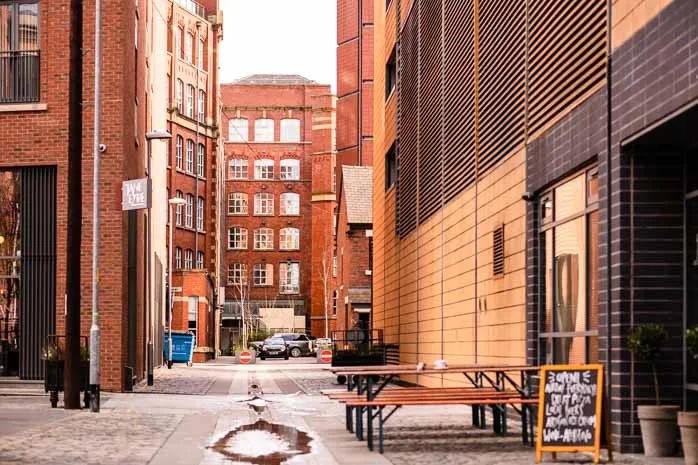 Photo: Manchester's Ancoats district, via ilovemanchester.com
The Sacred Hour
In Italy, aperitivo isn't just pre-dinner drinks; it's a philosophy. This deliberate pause between the day's work and evening's pleasure creates what Italians call "l'ora dell'aperitivo" – a sacred hour where time moves differently. Conversations meander rather than march towards objectives. Ideas percolate rather than pitch.
"When I lived in Bologna, I was struck by how naturally creativity flowed during aperitivo," recalls James Morrison, a graphic designer who now organises monthly gatherings in Bristol's Harbourside. "People weren't networking; they were simply being present with each other. The best collaborations emerged from discussions about everything except work."
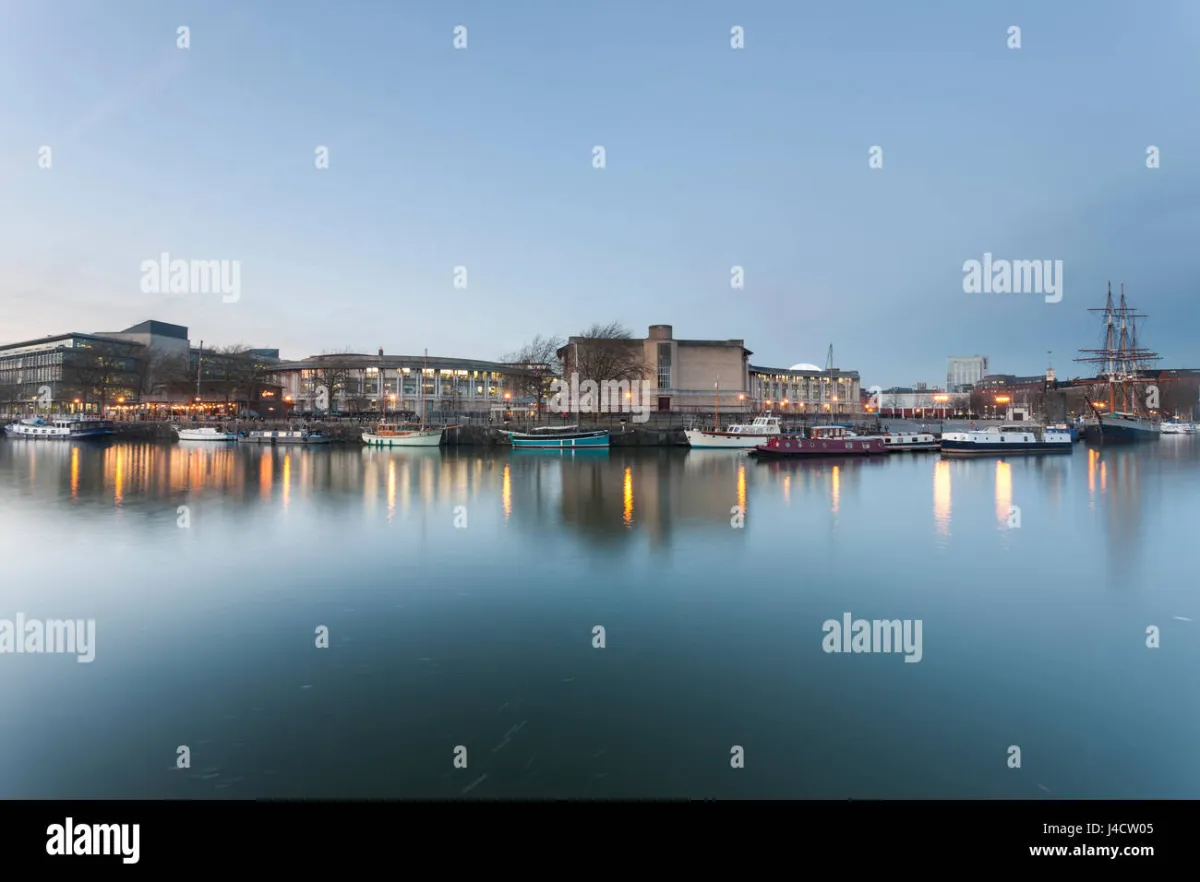 Photo: Bristol's Harbourside, via c8.alamy.com
This Italian reverence for unhurried connection is finding fertile ground in Britain's creative communities. From Edinburgh's converted warehouses to Birmingham's Jewellery Quarter, event organisers are reimagining professional gatherings around the aperitivo principle.
Beyond the Business Card Shuffle
At Hackney's newest co-working space, 'Pause', members gather every Tuesday for what founder Emma Rodriguez calls "proper aperitivo". The rules are refreshingly simple: no laptops, no pitch decks, no agenda beyond good conversation and better drinks.
"We serve proper Negronis, not because we're trying to be fancy, but because the ritual matters," Rodriguez explains. "When you're holding a beautifully crafted drink, when you're sitting rather than standing, when there's no pressure to 'maximise your networking ROI' – that's when real connections happen."
The numbers support her intuition. Rodriguez tracks collaborations that emerge from these gatherings, finding that 60% of attendees report meaningful professional connections within six months – compared to just 15% from traditional networking events.
The Art of Strategic Lingering
What makes aperitivo-style networking so effective for creatives? Italian social anthropologist Dr. Marco Santini, who's studied the phenomenon extensively, points to the concept of "tempo giusto" – the right timing.
"Aperitivo exists in a liminal space," Santini explains. "It's neither work nor leisure, neither day nor night. This ambiguity is crucial for creativity because it allows for unexpected connections, for conversations that wouldn't happen in more structured settings."
This philosophy is reshaping creative gatherings across Britain. In Glasgow, the monthly 'Bella Pausa' brings together designers, filmmakers, and artists in a converted Victorian mansion. Attendees are encouraged to arrive when they feel ready, stay as long as feels natural, and engage in what organiser Fiona MacLeod calls "the lost art of lingering".
"We've become so afraid of wasting time that we've forgotten how to use it," MacLeod observes. "Aperitivo reminds us that the best ideas often come from the most unexpected conversations."
Redefining Professional Socialising
The shift towards aperitivo-style networking reflects a broader change in how Britain's creative class approaches work-life integration. Post-pandemic, many professionals are questioning the wisdom of traditional networking – the rushed drinks, the strategic small talk, the exhausting performance of professional enthusiasm.
"The old model assumed that creativity was something you switched on and off," notes Dr. Helen Park, who researches workplace culture at Leeds University. "But aperitivo recognises that creativity is a way of being, not just working. It needs space to breathe."
This breathing space is proving particularly valuable for freelancers and independent creatives, who often struggle with the isolation of solo practice. Leeds-based illustrator Tom Winters credits his monthly aperitivo gatherings with transforming both his work and wellbeing.
"Before, networking felt like performing," Winters admits. "Now it feels like being human. And surprisingly, that's when the best opportunities arise."
The Future of Creative Connection
As Britain's creative industries continue to evolve, the Italian approach to professional socialising offers something precious: permission to slow down. In a culture increasingly dominated by productivity metrics and efficiency targets, aperitivo provides a counterweight – a reminder that the best ideas often emerge not from hustle, but from presence.
The trend shows no signs of slowing. From Newcastle's Baltic Quarter to Cardiff's creative quarter, event organisers report growing demand for aperitivo-style gatherings. The appeal is clear: in a world of endless Zoom calls and digital overwhelm, the simple act of sharing unhurried conversation over a well-crafted drink feels revolutionary.
"Aperitivo isn't just about drinking," reflects Manchester's Sarah Chen. "It's about creating space for serendipity. And in the creative industries, serendipity is everything."
As British creatives continue to embrace this Italian wisdom, one thing becomes clear: the future of networking isn't about working the room faster – it's about being present enough to notice who's worth staying in the room with.