The Heresy of Stopping
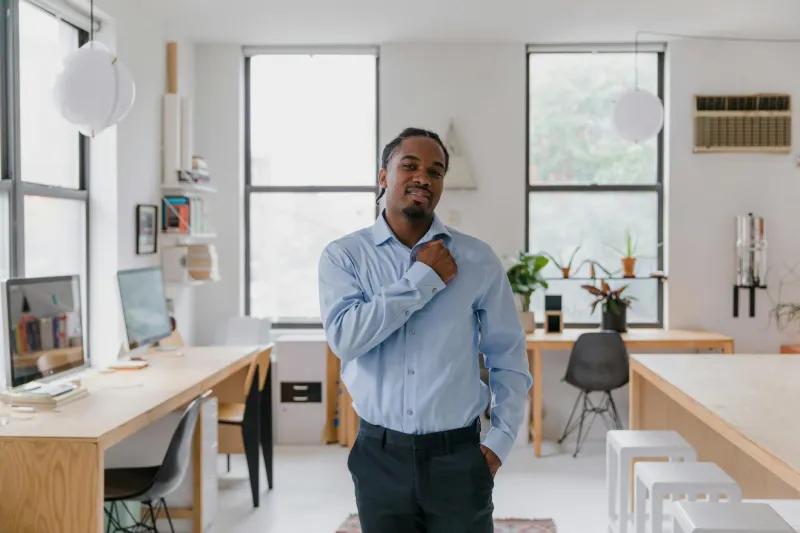
At 2:30 PM on a grey Tuesday in Shoreditch, graphic designer Sarah Chen does something that would have horrified her former agency colleagues: she closes her laptop, dims the studio lights, and settles into her reading chair with nothing more urgent than a cup of tea and her thoughts.
Chen isn't being lazy. She's practising riposo — the Italian art of the sacred afternoon pause that's quietly infiltrating Britain's creative underground like a beautiful act of rebellion against our productivity-obsessed culture.
"The first time I tried it, I felt physically guilty," admits Chen, who runs a small branding studio from her converted warehouse space. "But after six months, I can't imagine working any other way. My best ideas come during or just after that pause. It's like my brain finally has permission to breathe."
More Than a Nap: The Science of Sacred Stopping
Riposo isn't the power nap that Silicon Valley taught us to optimise. It's something more profound — a deliberate disconnection from the urgent in service of the important. Dr. Matthew Walker's research on sleep and creativity backs up what Italian culture has understood for centuries: the brain's default mode network, active during rest, is where breakthrough thinking happens.
But Chen and her growing network of riposo converts across Britain aren't necessarily sleeping. They're reading, sketching, or simply sitting with their thoughts — activities that feel dangerously unproductive in a culture that mistakes motion for progress.
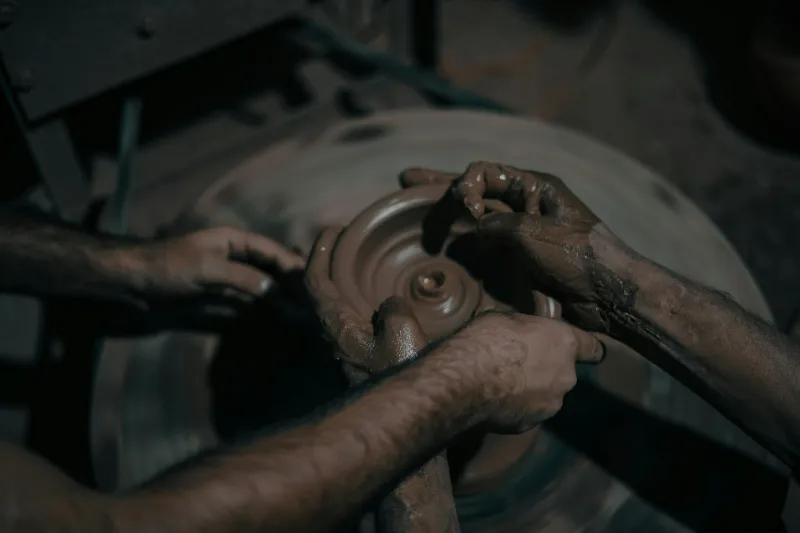
"We've created this toxic myth that constant doing equals value," says Marcus Thompson, a ceramicist from Bristol who restructured his entire studio practice around the Italian rhythm. "But my throwing has become more intuitive, my glazes more experimental. I'm making better work in fewer hours."
The British Resistance to Rest
Adopting riposo in Britain requires confronting our particular brand of cultural programming. Where Italian culture builds rest into the social contract — shops close, phones go unanswered, life slows to a civilised crawl — British culture treats afternoon rest as evidence of moral failing.
"The guilt is real," laughs Emma Rodriguez, a textile designer from Glasgow who runs workshops on sustainable creative practices. "I had to retrain my nervous system to believe that stopping wasn't selfish. Now I protect my riposo like I'd protect my morning coffee ritual."
Rodriguez has noticed that her afternoon pause affects more than just her work. "My partner says I'm more present in the evenings. I'm not carrying that frantic energy home anymore."
Designing for the Pause
The physical architecture of riposo matters. Chen has created what she calls a "transition zone" in her studio — a corner with soft lighting, comfortable seating, and no digital devices. "It signals to my brain that we're shifting gears," she explains.
Thompson's ceramics studio includes a small meditation area facing his workshop's only window. "I can see my wheel, my glazing station, my kiln — but from a distance that invites reflection rather than action."
These aren't expensive interventions. Rodriguez simply repositioned an inherited armchair to catch afternoon light and designated it her riposo throne. "Ritual doesn't require renovation," she notes. "It requires intention."
The Ripple Effect
What started as individual experiments is becoming collective practice. Chen now schedules client calls around her riposo, explaining the policy matter-of-factly: "I'm not available between 2:30 and 3:30. My best work happens when I honour that boundary."
Surprisingly, clients respect it. "They often admit they wish they could do the same," Chen reports. "I think I'm giving them permission to question their own relationship with constant availability."
Thompson has gone further, organising monthly "Riposo Gatherings" where local creatives practice the pause together before sharing insights over early evening drinks. "It's not networking," he clarifies. "It's community building around the radical act of slowing down."
Beyond Productivity: Riposo as Creative Philosophy
The deepest converts speak about riposo in almost spiritual terms. "It's become my daily practice of trusting that the work will be there when I return," reflects Rodriguez. "And it always is — but I'm different. More curious, less anxious."
This shift from doing to being represents something larger than individual wellness. In a creative economy that increasingly demands content, output, and measurable productivity, riposo offers a different value system entirely — one that prioritises depth over speed, reflection over reaction.
"The Italians understand something we've forgotten," concludes Thompson, hands still clay-stained from his morning's throwing session. "Creativity isn't about grinding harder. It's about creating space for surprise."
As Britain's creative class faces mounting pressure from AI, economic uncertainty, and the relentless pace of digital culture, perhaps the most radical act isn't working more efficiently — but stopping more intentionally. The riposo revolution suggests that our best work might emerge not from pushing through, but from the courage to pause and trust that sacred afternoon silence.