The Art of Strategic Pausing: Why British Studios Are Embracing Italy's Sacred Hour of Reflection
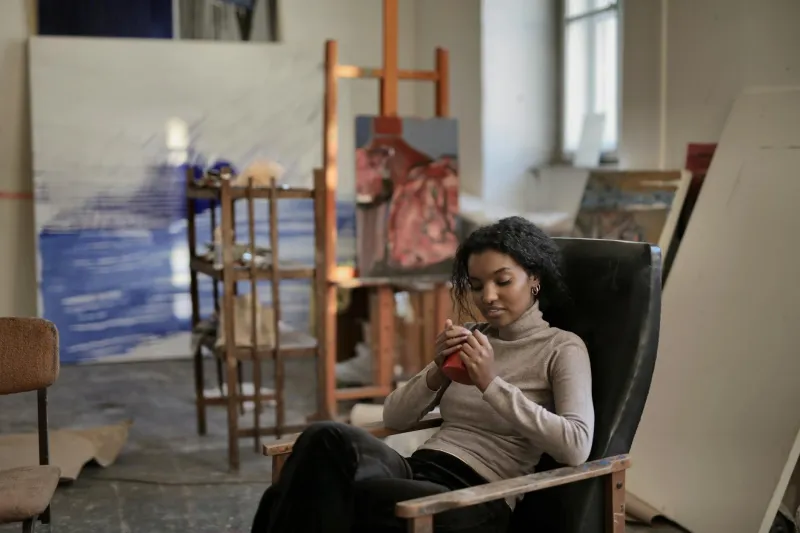
In a converted Victorian warehouse in East London, graphic designer Sarah Chen closes her laptop at precisely 5:30 PM. But rather than rushing home or diving straight into evening plans, she reaches for a small glass, pours herself a measure of Aperol, and settles into the leather armchair by her studio window. For the next hour, she'll sketch, reflect on the day's work, or simply watch the world pass by below. This isn't procrastination—it's her daily aperitivo ritual, and it's transformed how she approaches creativity.
 Photo: East London, via www.londonkensingtonguide.com
"I used to work until my brain was completely fried, then wonder why I'd hit a creative wall by Thursday," Sarah explains. "Learning about the Italian aperitivo tradition completely changed my perspective on productivity. That deliberate pause isn't laziness—it's strategic recovery."
When Dolce Far Niente Meets British Efficiency
The aperitivo hour—that sacred Italian pause between the working day and evening—represents something profoundly countercultural in Britain's hustle-oriented creative industries. Yet across the UK, from Edinburgh's design agencies to Cornwall's craft studios, creatives are discovering that this Mediterranean approach to time might be exactly what their overstretched minds need.
Dr. Amanda Williamson, a workplace psychologist at the University of Bath, has been studying this phenomenon. "What we're seeing is British creatives intuitively understanding something that neuroscience has been telling us for years: the brain needs structured downtime to process information and generate new connections. The Italian aperitivo tradition codifies this perfectly."
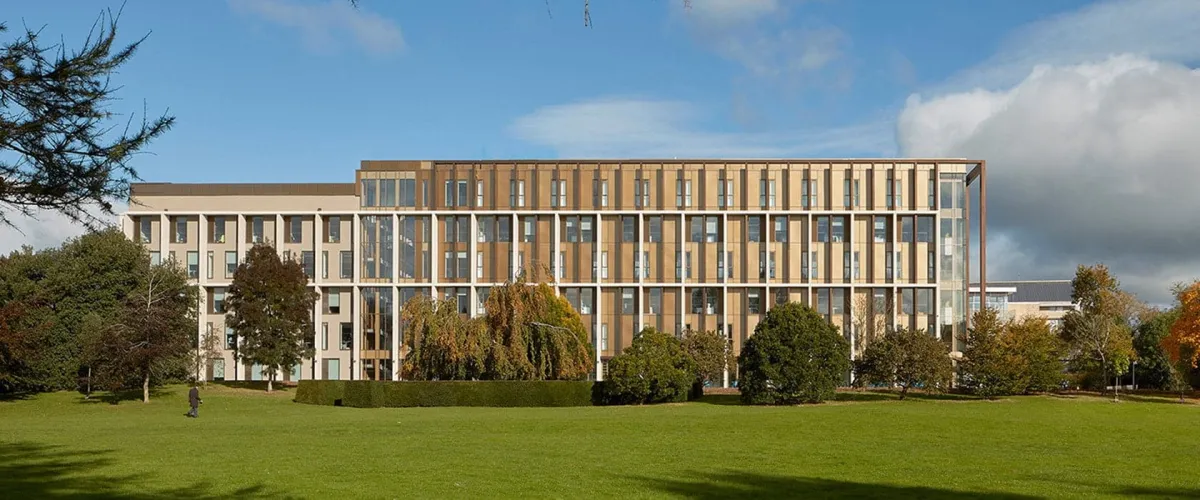 Photo: University of Bath, via mastergradschools.com
The ritual isn't just about the drink—though that plays its part. It's about creating a deliberate transition between intensive work and personal time, allowing the subconscious mind to process the day's creative challenges whilst the conscious mind relaxes.
The British Aperitivo: Adaptation, Not Imitation
At Pembrokeshire's Slate & Story design collective, founder Marcus Williams has adapted the tradition for his team of six designers. Every weekday at 5 PM, work stops for their "Pause Hour." Sometimes it's elderflower cordial and local cheese, other times it's proper tea and Welsh cakes. The location varies too—sometimes the studio's communal table, sometimes the nearby coastal path.
"We're not trying to be Italian," Marcus laughs. "We're taking the wisdom of that tradition and making it work for us. Some days we'll discuss a creative challenge we've been wrestling with, other days we'll completely avoid shop talk. The key is that it's intentional, it's shared, and it creates space for our minds to breathe."
This British interpretation often incorporates elements that would make perfect sense to Italian aperitivo enthusiasts: local ingredients, seasonal awareness, and genuine human connection. But it's adapted to British sensibilities and working patterns.
The Science Behind the Pause
Research from the Creativity Research Institute shows that the most innovative solutions often emerge during periods of relaxed attention rather than focused concentration. The aperitivo hour creates exactly these conditions—a state psychologists call "diffuse mode thinking."
"When we're intensely focused on a problem, we often get stuck in familiar thought patterns," explains Dr. Williamson. "But when we deliberately step back and allow our minds to wander—ideally in a pleasant, low-pressure social environment—we create space for those 'eureka' moments."
Freelance illustrator Tom McKenzie, based in Glasgow, discovered this firsthand. "I was struggling with a particularly complex commission for months. Then one evening during my aperitivo hour—I'd started having a small glass of wine and sketching unrelated things—the solution just appeared. It was like my brain had been working on it in the background."
Creating Your Own Aperitivo Practice
The beauty of this tradition lies in its adaptability. Here's how British creatives are making it work:
Set Sacred Boundaries: Choose a specific time (5-7 PM works for most) and protect it fiercely. This isn't flexible time—it's as important as any client meeting.
Create Ritual Elements: Whether it's a special glass, a particular playlist, or a designated chair, small rituals signal to your brain that this is transition time.
Embrace Seasonality: Summer might mean gin and tonic in the garden, winter could be mulled wine by the fire. Let British seasons guide your choices.
Include Others When Possible: The social element amplifies the benefits. If you work alone, consider virtual aperitivo sessions with fellow creatives.
Keep It Simple: Don't over-complicate it. Sometimes it's just tea and a biscuit whilst watching the rain—the pause itself is what matters.
Beyond Individual Practice: Studio Culture Shift
Progressive creative agencies are building aperitivo principles into their culture. London's Meridian Design has instituted "Transition Tuesdays," where the entire team pauses at 5:30 for shared refreshments and informal creative discussions.
"It's completely changed our studio dynamic," reports creative director Lisa Patel. "People are more relaxed, more collaborative, and surprisingly, we're actually more productive. When people know they have that structured pause to look forward to, they work more efficiently during focused time."
This cultural shift challenges the British tendency to equate busyness with productivity. Instead, it recognises that sustainable creativity requires rhythm—periods of intense focus balanced with deliberate rest.
The Ripple Effect
Creatives who've adopted aperitivo practices report benefits extending far beyond work. Better sleep, stronger relationships, increased mindfulness, and a greater appreciation for life's simple pleasures all feature in their testimonials.
"It's taught me that productivity isn't about grinding non-stop," reflects Sarah Chen. "It's about working in harmony with how my brain actually functions. The Italian tradition of aperitivo isn't just about drinking—it's about living wisely."
As British creative industries grapple with burnout, mental health challenges, and the blurred boundaries of remote working, perhaps it's time to embrace la dolce vita's wisdom. Sometimes the most productive thing you can do is simply pause, breathe, and trust that your creative mind knows how to restore itself.
In a culture that often mistakes busy for important, the aperitivo hour offers a radical proposition: that deliberate pausing isn't the enemy of productivity—it's its greatest ally.