When Tuscan Warmth Meets Yorkshire Grit: The Creative Revolution Transforming Britain's Design Scene
There's something magical happening in creative spaces across Britain, and it has nothing to do with the weather. From converted barns in the Peak District to Victorian warehouses in Manchester, a quiet revolution is reshaping how British creatives approach their craft. By marrying the unhurried elegance of Italian design philosophy with our nation's pragmatic creativity, a new generation of artists and makers is discovering that la dolce vita isn't just about geography—it's about mindset.
The Unexpected Harmony of Two Creative Cultures
At first glance, British and Italian creative sensibilities might seem worlds apart. We're known for our understated approach, our love of functional beauty, and our tendency to apologise for taking up space. Italians, meanwhile, celebrate boldness, embrace imperfection as character, and understand that true elegance lies in the confidence to be seen.
Yet something remarkable happens when these philosophies converge. Take Sarah Henderson's textile studio in the Cotswolds, where she's been weaving Italian-inspired techniques into traditional British materials for the past three years. "I spent a summer in Tuscany learning from local artisans," she explains. "They taught me that the beauty isn't in perfection—it's in the story your hands tell through the work."
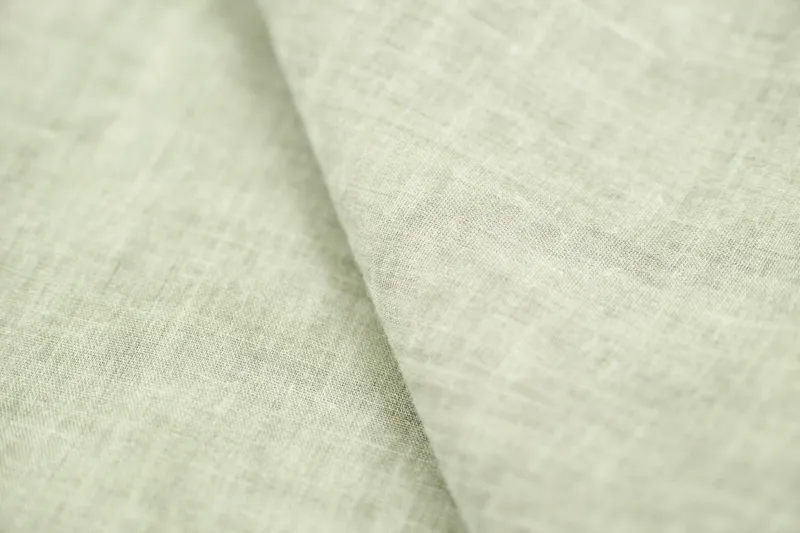
Her studio now produces throws and cushions that feel distinctly British—think muted sage greens and soft greys—but carry the soul of Italian craftsmanship. Each piece bears the subtle irregularities that machine production would eliminate, those tiny imperfections that whisper of human touch.
Terracotta Dreams in English Gardens
The influence extends far beyond textiles. Garden designer Marcus Thompson has built his reputation on what he calls "Mediterranean restraint"—bringing the warmth of Italian colour palettes to English landscapes without losing their essential character.
"It's not about planting olive trees in Surrey," Thompson laughs. "It's about understanding how Italians use colour to create emotional warmth, then translating that into plants and materials that thrive in our climate." His recent project in Bath features traditional English perennials arranged with Italian sensibilities—think lavender and rosemary creating sculptural moments against honey-coloured stone walls, with terracotta planters that echo the local limestone.
The result feels both familiar and transformative, like discovering a secret room in a house you've lived in for years.
The Art of Bella Figura in British Branding
Perhaps nowhere is this cultural fusion more evident than in the world of brand design. The Italian concept of 'bella figura'—making a beautiful impression through effortless style—is finding new expression in British creative agencies.
London-based studio Meridian & Co. has built their practice around what creative director James Walsh calls "considered confidence." Their recent rebrand for a Yorkshire brewery perfectly captures this philosophy: clean, unfussy typography paired with illustrations that feel hand-drawn rather than digitally perfected.
"British design has always excelled at clarity and function," Walsh explains. "But we were sometimes afraid of beauty for beauty's sake. Italian design taught us that elegance isn't frivolous—it's essential. It's about respecting your audience enough to give them something that feeds their soul, not just their need for information."
Slow Making in a Fast World
The Italian approach to craftsmanship—where time is an ingredient rather than an enemy—is perhaps the most transformative element British creatives are embracing. In a culture that often equates speed with efficiency, the idea of deliberate slowness feels revolutionary.
Ceramicist Lucy Chen runs workshops from her studio in Edinburgh, teaching what she calls "mindful making." Her approach combines traditional British pottery techniques with the Italian philosophy of 'fare con calma'—doing with calm.
"My students arrive expecting to produce something perfect in two hours," Chen observes. "By the end of the session, they understand that the real magic happens when you stop rushing and start listening to the clay. It's very Italian in that sense—the process becomes as important as the product."
Practical Ways to Embrace the Philosophy
So how can British creatives incorporate these principles into their own practice? The answer lies not in dramatic overhauls but in subtle shifts of perspective.
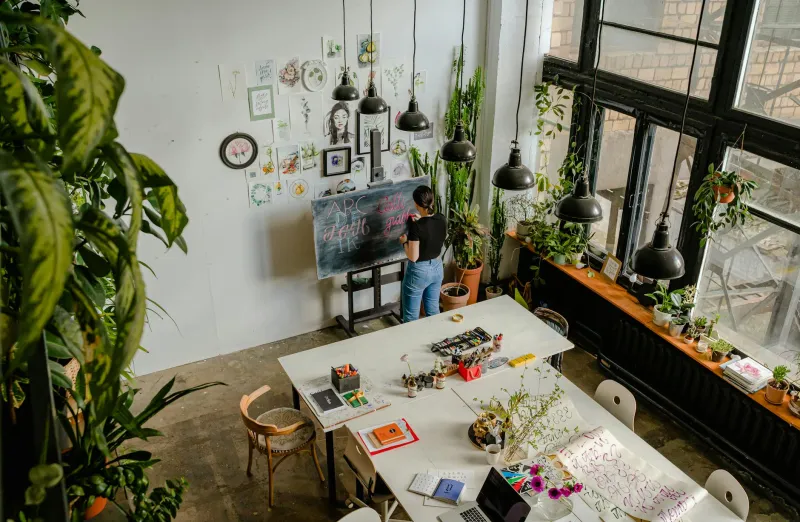
Start with your workspace. Italian studios often blur the line between work and life, incorporating elements that feed the soul alongside those that serve function. Consider adding a small espresso machine, some plants, or artwork that inspires rather than merely decorates.
Embrace imperfection. Next time you're tempted to digitally perfect every element of a design, pause. Ask yourself: what story would a slight irregularity tell? How might a hand-drawn element add warmth to an otherwise clinical composition?
Slow down your process. Build in time for reflection between creative bursts. Italian artisans often speak of letting work "rest" between sessions—not from laziness, but from understanding that ideas need time to develop properly.
Consider the emotional impact. Before finalising any creative work, ask yourself: how does this make people feel? Italian design excels at creating emotional connections, something British creativity sometimes overlooks in favour of conceptual cleverness.
The Future of Cross-Cultural Creativity
As this movement grows, we're seeing the emergence of a distinctly British-Italian creative aesthetic—one that maintains our love of understatement while embracing Mediterranean warmth and confidence. It's an approach that recognises that true innovation often comes not from choosing between traditions, but from finding the unexpected harmony between them.
The result is work that feels both familiar and fresh, grounded in British sensibilities but warmed by Italian passion. It's proof that sometimes the most profound creative breakthroughs come not from looking forward, but from looking across—to other cultures, other ways of seeing, other definitions of what it means to create something beautiful.
In a world that often feels divided, there's something deeply hopeful about this creative fusion. It suggests that our differences aren't obstacles to overcome, but ingredients to blend—creating something richer and more nuanced than either culture could achieve alone.