Sealed with Intention: The Ancient Art of Wax Sigils Transforms Modern British Business
The Mark of Distinction
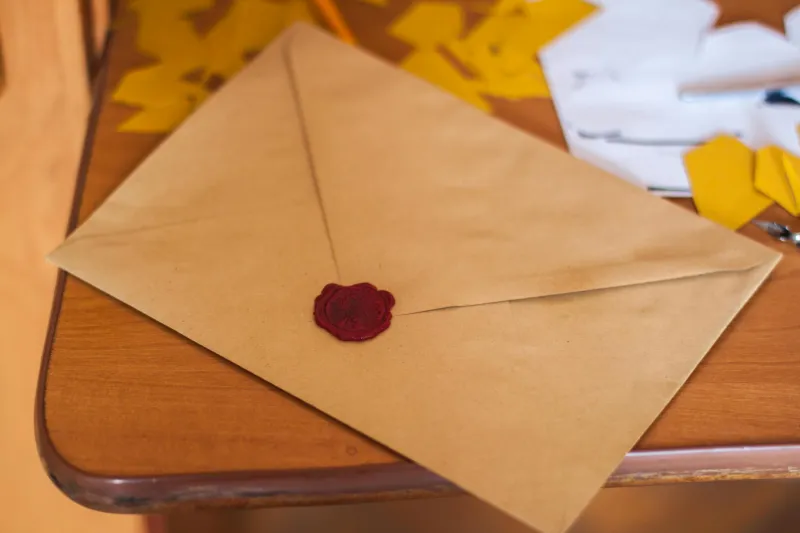
In a converted Victorian warehouse in Bermondsey, metalworker Elena Rossi heats brass dies over an open flame, preparing to press molten wax into shapes that would be familiar to any Medici merchant. Her workshop represents the unlikely revival of an ancient craft: the creation of personalised wax seals for contemporary British creative businesses.
 Photo: Elena Rossi, via www.compass.com
"Every seal tells a story," Rossi explains, adjusting the temperature of red sealing wax that will soon bear the intricate monogram of a London design studio. "In Renaissance Italy, your seal wasn't just identification – it was your reputation made tangible. It said everything about your values, your heritage, your intentions."
This revival isn't mere nostalgia. As digital communication becomes increasingly ephemeral and impersonal, British creative professionals are rediscovering the power of physical markers that demand attention and convey intentionality.
The Language of Symbols
Italian sigillography – the art and study of seals – developed sophisticated symbolic vocabularies that contemporary makers are adapting for modern purposes. Traditional elements like laurel wreaths (victory), oak leaves (strength), and intertwined letters (partnership) are being reinterpreted for creative studios, independent publishers, and artisan makers who understand that differentiation requires more than clever copywriting.
London-based graphic designer Marcus Webb commissioned his first seal after growing frustrated with the ephemeral nature of digital portfolios. "Clients were losing track of my work in their overflowing inboxes," he recalls. "But when I started sealing my proposal packages with my personal sigil – a compass rose incorporating my initials – suddenly my submissions became memorable. People would mention 'the proposal with the beautiful wax seal' in follow-up conversations."
 Photo: Marcus Webb, via alchetron.com
Webb's seal combines traditional heraldic elements with contemporary typography, creating what he calls "ancestral modernism." The compass rose speaks to his role as a creative navigator, whilst the hand-pressed wax demonstrates commitment to craft values that align with his design philosophy.
The Makers' Renaissance
Across Britain, a small but dedicated community of seal-makers is reviving techniques that disappeared with the advent of mass communication. Birmingham metalworker James Hartwell creates dies using methods virtually unchanged since the 16th century, whilst Edinburgh's Catherine MacKenzie specialises in translating contemporary brand identities into seal-worthy symbols.
"The challenge isn't technical – it's conceptual," MacKenzie explains. "Modern brands often rely on colour, complex typography, or digital effects. A good seal design must work in a single colour, at small scale, pressed into wax. It forces you to distil identity to its absolute essence."
Her process begins with extensive consultation, exploring not just what clients do, but why they do it and what values drive their work. The resulting seals often surprise their commissioners with their ability to capture personality traits that conventional branding struggles to express.
Beyond Decoration
What distinguishes contemporary seal use from mere aesthetic affectation is its strategic application. Creative businesses are discovering that wax seals create natural pause points in communication – moments when recipients must slow down, engage physically with correspondence, and acknowledge the sender's investment in the relationship.
Independent publisher Rosemary Chen uses her custom seal on limited edition releases, creating immediate visual distinction on bookshop shelves. "In a world of identical spines and standardised covers, the wax seal becomes a mark of handmade intention," she notes. "It signals that this isn't mass-market publishing – it's something crafted with specific readers in mind."
Architecture firm Pemberton & Associates has integrated sealing into their client presentation process, using different coloured waxes to denote project phases and document types. Senior partner David Pemberton reports that the practice has transformed client meetings: "There's something about breaking a wax seal that creates ceremony around our proposals. Clients pay closer attention, ask more thoughtful questions, and remember our presentations longer."
Crafting Your Signature
Creating an effective personal or business seal requires careful consideration of both symbolic content and practical application. Italian tradition suggests starting with core elements: initials, meaningful symbols, and geometric frameworks that can accommodate both.
The most successful contemporary seals balance personal meaning with universal readability. Abstract symbols often work better than literal representations, whilst simple geometric arrangements prove more versatile than complex illustrations.
Colour choice extends beyond aesthetics into psychology and practicality. Traditional red wax conveys authority and passion, whilst gold suggests luxury and achievement. Green speaks to growth and creativity, whilst deep blue implies trustworthiness and professionalism. Consider how your chosen colour will interact with your typical paper stocks and envelope colours.
The Ritual of Intention
Perhaps the most valuable aspect of seal use lies not in the finished product but in the ritual of creation. The process of heating wax, positioning the die, and applying pressure creates a moment of mindfulness that Italian craftsmen understood as essential to quality work.
"Every time I seal a letter or package, I'm forced to pause and consider whether the contents deserve this level of attention," reflects textile artist Hannah Morrison. "It's become a quality filter for my communication. If something isn't worth sealing properly, perhaps it isn't worth sending at all."
This mindful approach to communication extends naturally into other aspects of creative practice, encouraging the kind of intentional decision-making that distinguishes professional craft from casual hobby.
The Future of Ancient Craft
As British creative industries grapple with increasing digitalisation and commoditisation, the revival of wax sealing offers a tangible way to assert individual identity and craft values. It's not about rejecting modernity but about choosing which ancient wisdoms remain relevant in contemporary practice.
The most successful adopters understand that sealing isn't about impressing clients with expensive materials or elaborate rituals. Instead, it's about creating physical markers of intention, quality, and personal investment that cut through the noise of digital overwhelm.
In an era when anyone can send a thousand emails with a single click, perhaps the true luxury lies in communication that demands time, attention, and physical presence. The Italian masters who developed these traditions understood something we're only beginning to rediscover: that the medium truly is the message, and sometimes the most powerful message is the simple declaration that this correspondence – and this relationship – matters enough to seal properly.