More Than Skin Deep: How Italy's Bella Figura Philosophy Is Reshaping British Creative Culture

The Misunderstood Art of Excellence
When Manchester-based photographer Rebecca Mills first encountered the Italian concept of bella figura during a workshop in Milan, she dismissed it as "typically Italian vanity." Six months later, after restructuring her entire practice around its principles, her client bookings had doubled and her creative confidence had transformed entirely.
"I completely misunderstood what it meant," she admits. "I thought it was about looking perfect. Actually, it's about respecting your work—and your clients—enough to present everything at its absolute best."
Bella figura, literally "beautiful figure," represents one of Italy's most profound cultural exports, yet it remains frustratingly misinterpreted outside its homeland. Far from superficial aesthetics, it embodies a rigorous professional philosophy that British creatives are discovering can revolutionise both their practice and their commercial success.
Beyond the Surface: Understanding True Bella Figura
In Italian culture, bella figura encompasses every aspect of professional presentation: how you dress for meetings, how you arrange your workspace, how you present your portfolio, even how you structure your emails. It's not about perfection—it's about intentionality.
"Bella figura means never treating anything as unimportant," explains Dr. Francesca Rossi, who studies Italian business culture at Cambridge University. "It's the opposite of the British tendency to downplay effort or success. Italians believe that if something is worth doing, it's worth presenting beautifully."
 Photo: Cambridge University, via smapse.com
This philosophical difference creates fascinating tensions when British and Italian creative practices intersect. Where British culture often celebrates the rough-around-the-edges aesthetic—the deliberately imperfect, the studied casual—Italian bella figura demands that every interaction reflect your professional standards.
The Studio as Stage: Environmental Bella Figura
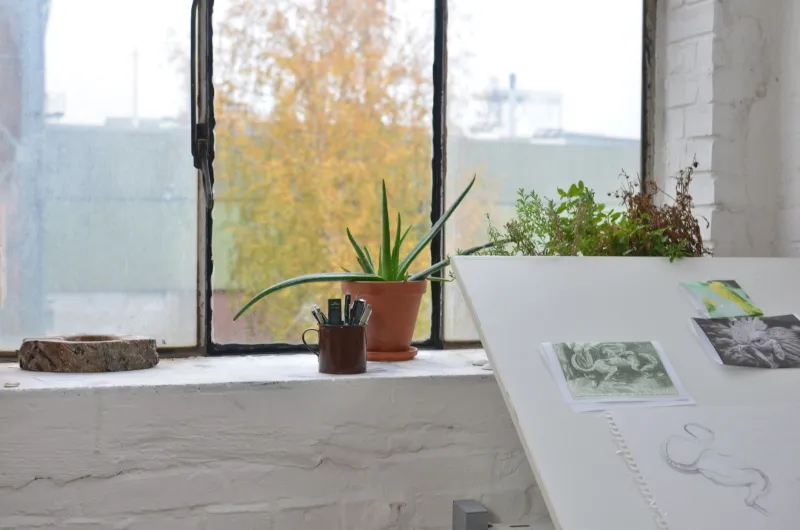
London interior designer Marcus Thompson discovered bella figura's environmental dimension during a collaboration with Milanese architects. "Their studio was immaculate, but not in a sterile way. Every surface, every object, every piece of work on display had been consciously curated. It made me realise how chaotic and apologetic my own space had become."
Thompson's studio transformation went beyond tidying up. Following bella figura principles, he reconsidered every element clients would encounter: the lighting when they entered, the way projects were displayed, even the quality of coffee he served during presentations.
"It wasn't about spending money," he emphasises. "It was about approaching my workspace as part of my creative practice, not separate from it. Every decision became intentional."
The results surprised him. Clients began spending longer in the studio, engaging more deeply with his work, and referring more frequently. "When you present your environment with bella figura, clients unconsciously assume the same care extends to their projects."
The Portfolio Revolution: Bella Figura in Practice
Graphic designer Priya Sharma learned bella figura's practical applications during a residency in Bologna. "I watched Italian designers present their work, and realised I'd been treating my portfolio like a necessary evil—something to get through quickly before discussing the 'real' work."
Italian creative culture treats presentation as integral to the creative process, not an afterthought. Every project gets the same meticulous attention to presentation, regardless of budget or timeline.
Sharma restructured her entire client approach around these principles. Her presentations now follow bella figura standards: consistent typography, carefully considered layouts, strategic use of white space, and deliberate pacing through materials.
"It's not about making everything fancy," she explains. "It's about treating every piece of communication as an extension of your creative practice. My emails now have the same visual consideration as my final deliverables."
The British Resistance: When Cultures Collide
Adopting bella figura in British creative culture isn't straightforward. The UK's cultural preference for understatement creates genuine tensions with Italian approaches to self-presentation.
"There's a British fear that caring too much about presentation makes you look pretentious or superficial," observes cultural historian Dr. James Murray. "But bella figura isn't about showing off—it's about professional respect."
Brighton-based illustrator Tom Chen navigates this cultural tension by adapting bella figura principles to British sensibilities. "I maintain the intentionality and care, but express it through quality rather than ostentation. My work still gets the full bella figura treatment, but in a quietly confident way that feels authentically British."
The Client Connection: Bella Figura as Communication
The commercial impact of bella figura extends beyond aesthetics to client relationships. Italian creative culture views every interaction as an opportunity to demonstrate professional values through presentation quality.
Cardiff branding consultant Emma Williams discovered this during a project with Italian manufacturers. "They evaluated our proposals not just on creative content, but on how we presented them. The typography, the binding, the paper quality—everything communicated our attention to detail."
Williams now applies bella figura principles throughout her client journey: initial emails match her visual brand standards, proposals receive the same design attention as final deliverables, and even invoice designs reflect her creative values.
"British clients initially found it surprising," she admits. "But they quickly realised it demonstrated the same care I'd bring to their projects. It became a differentiator that helped justify premium pricing."
The Confidence Factor: Internal Transformation
Perhaps bella figura's most profound impact on British creatives lies in its effect on professional confidence. The practice of consistently presenting your best work creates a positive feedback loop that transforms how creatives view their own value.
Photographer Rebecca Mills tracks this internal shift: "When you habitually present everything at its best, you start believing in the quality of your work differently. Bella figura isn't just about external perception—it changes how you see yourself professionally."
This confidence translates directly into commercial success. Creatives practicing bella figura report improved client negotiations, higher project values, and increased referral rates.
The Modern Synthesis: Bella Figura Britannica
The most successful adaptations don't abandon British creative culture—they synthesise it with bella figura principles to create something uniquely powerful.
London design studio Fieldwork has developed what creative director Sarah Foster calls "quiet bella figura"—maintaining Italian standards of presentation while expressing them through British values of understated quality.
"We present everything beautifully, but we let the work speak loudest," Foster explains. "It's bella figura filtered through British sensibilities—confident without being flashy, considered without being precious."
Beyond Aesthetics: The Professional Philosophy
Ultimately, bella figura offers British creatives something more valuable than presentation techniques—it provides a professional philosophy that treats every aspect of practice as worthy of creative attention.
"It's transformed how I think about being a professional creative," reflects illustrator Tom Chen. "Everything from my website to my workspace to my client communications now receives the same creative consideration as my artwork. It's not about perfection—it's about intention."
In a creative economy where differentiation becomes increasingly challenging, bella figura offers British studios a competitive advantage disguised as cultural philosophy. By treating presentation as integral to creative practice rather than separate from it, UK creatives are discovering that looking after the details doesn't diminish their work—it amplifies its impact immeasurably.