Before the Brush: Ancient Fresco Wisdom That's Revolutionising How British Creatives Begin Each Day
The Race Against Time That Changed Everything
At 4:30am in her Hackney studio, textile artist Zoe Rahman begins what she calls her "fresco hour"—sixty minutes of deliberate preparation before touching any creative materials. This ritual, inspired by Renaissance painters who had to complete entire wall sections before wet plaster dried, has transformed both her productivity and the quality of her work.
"Fresco painters couldn't afford hesitation," Rahman explains, grinding pigments in the pre-dawn quiet. "Every brushstroke had to be planned, every colour mixed in advance. There was no room for 'figuring it out as you go.'"
The ancient art of fresco painting demanded such precise preparation that master painters developed elaborate morning rituals—not from superstition, but from necessity. British creatives are rediscovering these practices, finding that the discipline required for painting on wet plaster offers surprisingly relevant lessons for modern creative work.
The Plaster Clock: Understanding Creative Urgency
Fresco painters worked within brutal time constraints. Once plaster was applied to a wall, they had roughly eight hours before it became too dry to accept paint. This created what art historians call "the tyranny of the giornata"—the day's work that had to be completed without pause or revision.
Master painters like Giotto and Masaccio developed sophisticated preparation systems to maximise these precious hours. They spent extensive time planning compositions, mixing pigments, and preparing tools before applying a single mark to wet plaster.
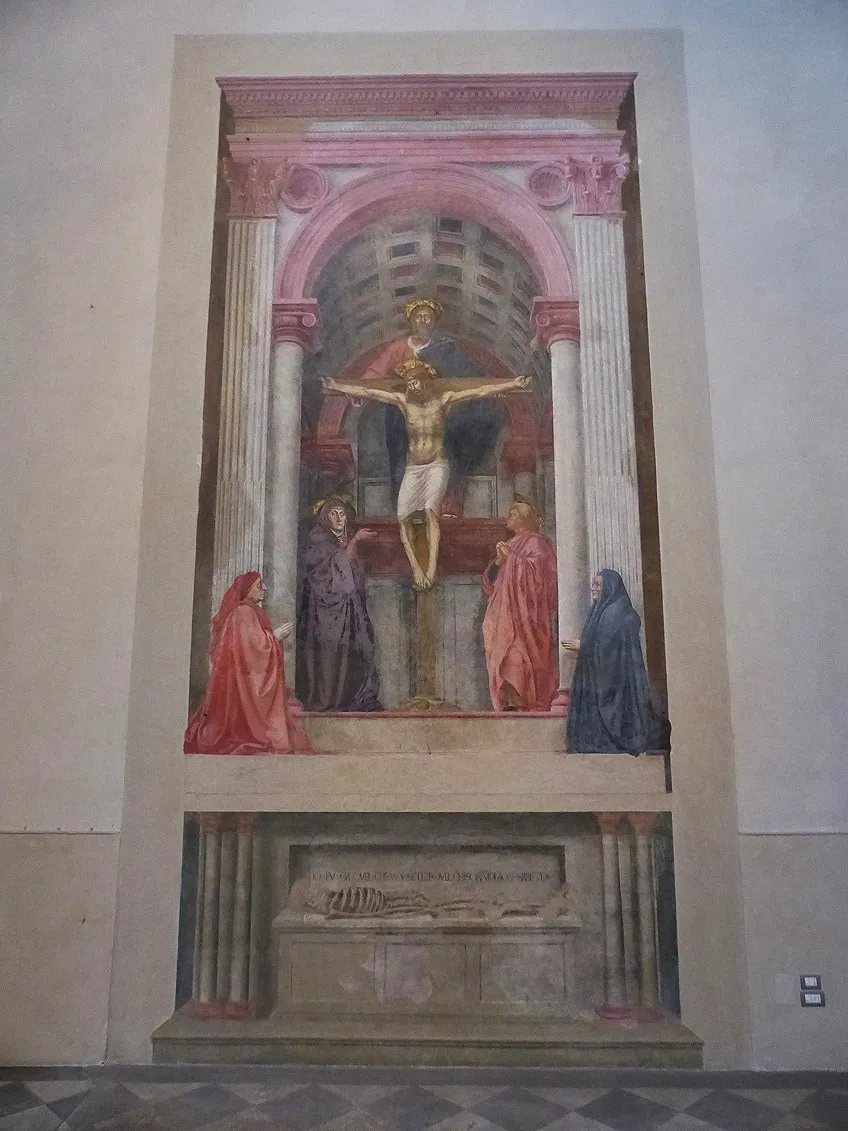 Photo: Masaccio, via artincontext.org
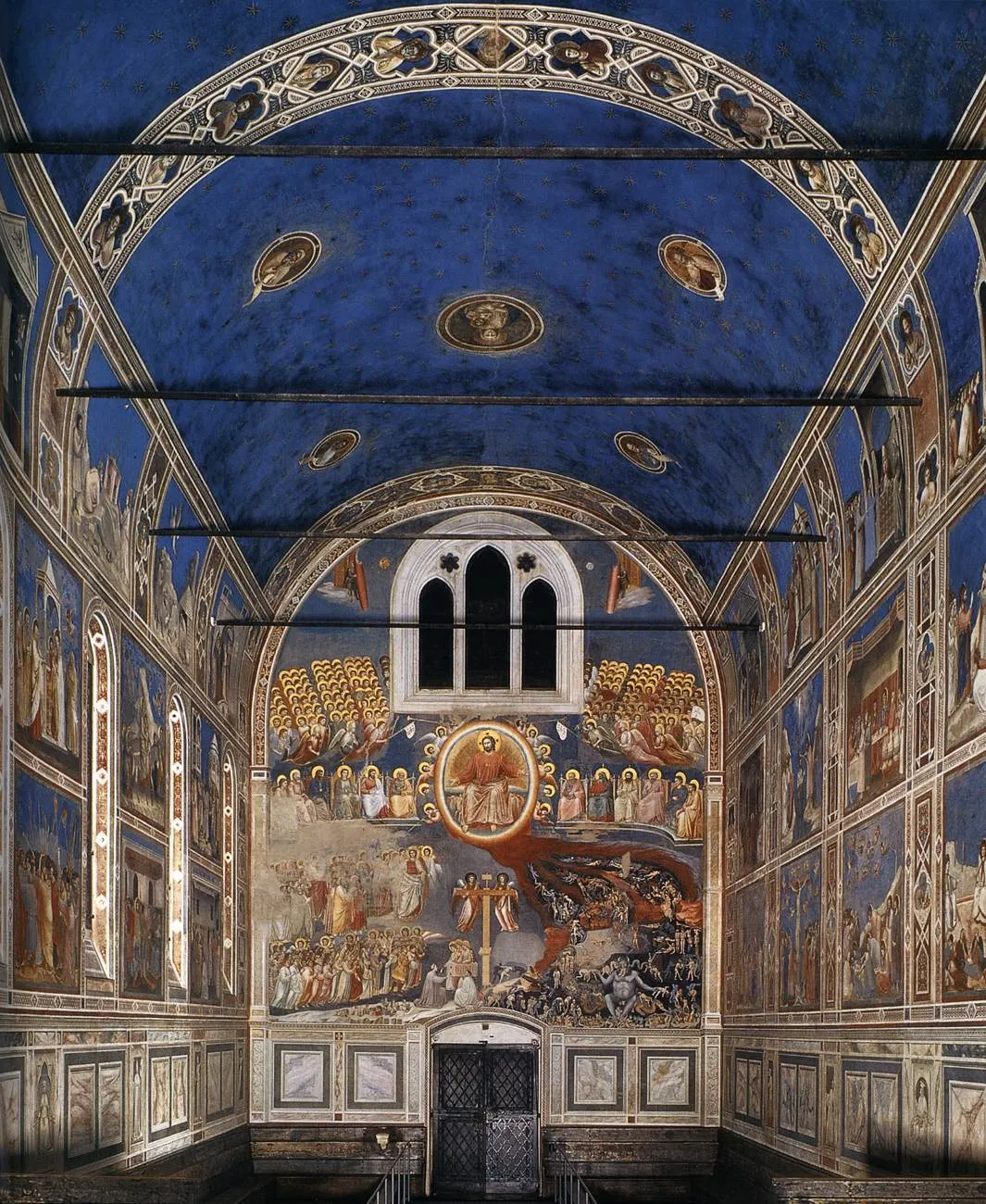 Photo: Giotto, via www.wga.hu
"The pressure was extraordinary," explains Dr. Sarah Mitchell, who studies Renaissance painting techniques at the Courtauld Institute. "But it forced painters to develop mental clarity and technical precision that's almost unimaginable today."
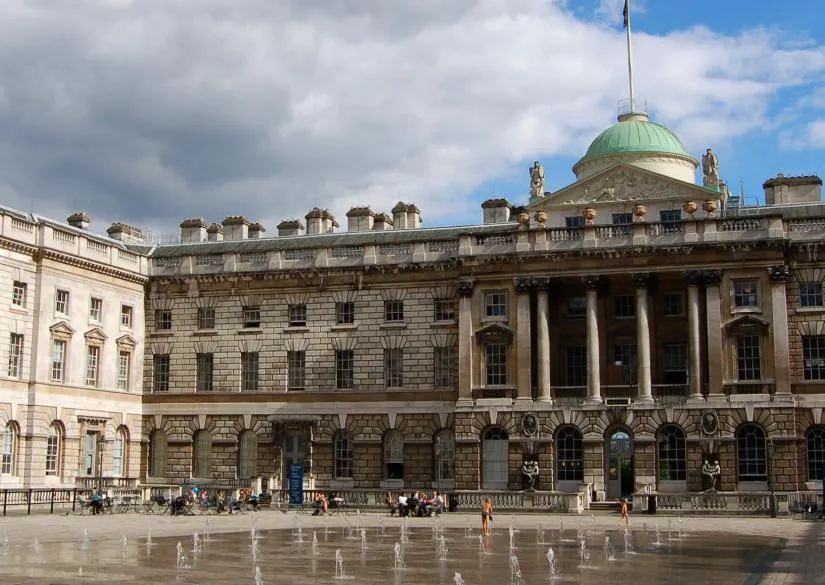 Photo: Courtauld Institute, via smapse.com
London-based illustrator James Park discovered these historical practices during research for a graphic novel about Renaissance art. "I realised that my scattered, reactive approach to morning work was the opposite of everything these masters practiced. I was starting each day in creative panic mode."
The Cartone Principle: Planning Before Painting
Fresco painters created detailed preparatory drawings called cartone—full-scale patterns that mapped every element of their composition. These weren't rough sketches but precise blueprints that eliminated uncertainty during the time-pressured painting phase.
Modern British creatives are adapting this principle to structure their mornings around strategic preparation rather than immediate execution.
Birmingham graphic designer Lisa Chen restructured her daily routine around cartone-inspired planning: "I spend the first hour of each day creating what I call my 'visual brief'—sketching out not just what I'll create, but how I'll approach each project. It's like having a roadmap for the entire day."
Chen's approach mirrors historical fresco practice: extensive preparation followed by focused, uninterrupted execution. Her productivity increased dramatically, but more importantly, her work became more intentional and cohesive.
The Pigment Ritual: Preparation as Meditation
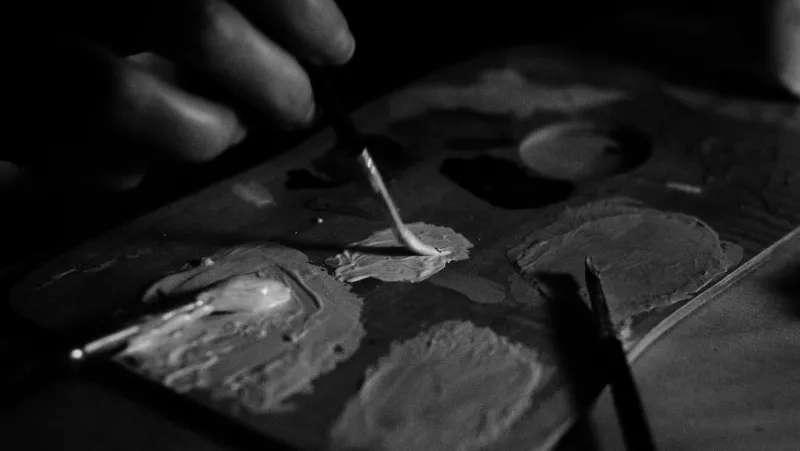
Fresco painters ground their own pigments each morning, a process that required patience, precision, and deep knowledge of materials. This wasn't just practical necessity—it served as a meditative transition from sleep to creative focus.
Contemporary British artists are rediscovering the value of hands-on preparation rituals that engage both mind and body before creative work begins.
Ceramicist Mark Thompson begins each day by preparing his clay and glazes, even when working on projects that won't require them. "It's not about efficiency," he explains. "It's about entering the right mental state. By the time I've finished preparing materials, I'm completely present and focused."
Textile artist Zoe Rahman's pigment-grinding ritual serves similar purposes: "The repetitive, physical action clears my mind while connecting me to centuries of artistic tradition. I'm not just preparing colours—I'm preparing myself."
The Workshop Hierarchy: Learning from Master Systems
Renaissance fresco workshops operated with military precision. Masters, journeymen, and apprentices each had specific morning responsibilities that contributed to the day's success. Everyone understood their role in the larger creative process.
Brighton design studio Outline has adapted this hierarchical approach to their morning routine. Creative director Anna Foster explains: "We start each day with a fifteen-minute 'workshop brief' where everyone shares their daily intentions and resource needs. It prevents the chaos that used to derail our mornings."
The studio's adapted fresco system assigns specific preparation roles: junior designers handle file organisation and reference gathering, mid-level designers review project timelines and client requirements, while senior staff focus on strategic planning and creative direction.
"It sounds rigid, but it's actually liberating," notes designer Tom Walsh. "When everyone knows their morning role, we can move into creative work without the usual scrambling and confusion."
The Light Studies: Understanding Natural Rhythms
Fresco painters were obsessed with natural light, beginning work at dawn to maximise the hours of optimal visibility. They understood that different light conditions revealed different aspects of their work, and planned accordingly.
This attention to natural rhythms offers modern creatives insights into optimising their daily energy cycles.
Photographer Sarah Kim restructured her schedule around what she calls "fresco light principles": "I do my most demanding creative thinking in the first two hours after sunrise, when my mind is clearest. Administrative work happens during the afternoon energy dip."
Kim's approach reflects historical fresco practice, where painters tackled the most challenging compositional elements during peak morning hours, leaving simpler details for later in the day.
The Sinopia Foundation: Building Creative Infrastructure
Beneath every fresco lay the sinopia—a preliminary drawing that provided structural foundation for the final painting. Masters spent considerable time on these underlying preparations, understanding that surface beauty depended on invisible infrastructure.
Manchester-based brand designer Rachel Green applies sinopia principles to her morning routine: "I spend time each morning updating my creative infrastructure—organising files, reviewing project timelines, checking client communications. It's invisible work, but it supports everything else I do."
Green's "sinopia hour" includes reviewing the previous day's work, planning current project priorities, and preparing resources for anticipated challenges. "It's like laying foundation before building. The creative work that follows is more confident and focused."
The Giornata Mindset: Embracing Creative Urgency
Perhaps the most valuable lesson from fresco painting is the giornata mindset—treating each day's creative work as complete unto itself, with clear beginning, middle, and end.
Illustrator James Park has structured his practice around daily giornate: "Each morning, I plan exactly what I want to accomplish before evening. Not vague intentions, but specific, completable goals. It creates positive pressure that improves both focus and quality."
This approach contrasts sharply with the modern tendency toward open-ended creative sessions that drift without clear resolution.
The Modern Bottega: Community and Ritual
Some British creatives are extending fresco-inspired morning practices into collaborative rituals. London's Makers Quarter hosts daily "preparation circles" where independent creatives share workspace and morning planning time.
"There's something powerful about beginning the day in creative community," explains organiser David Chen. "Like Renaissance workshops, we're supporting each other's practice through shared ritual and mutual accountability."
Participants report that group morning preparation creates energy and focus that carries throughout their individual work days.
Beyond Productivity: The Spiritual Dimension
Ultimately, fresco-inspired morning practices offer British creatives something more valuable than improved productivity—they provide a daily ritual that honours both the creative process and the artistic tradition.
"It's not about working faster or producing more," reflects textile artist Zoe Rahman. "It's about approaching each day's creative work with the same intentionality and respect that masters brought to wet plaster walls five hundred years ago."
In an era of digital distraction and creative overwhelm, the disciplined preparation rituals of Renaissance fresco painters offer a surprisingly relevant antidote: the radical practice of beginning each creative day with deliberate intention rather than reactive urgency.