The Self-Commission: How Britain's Creatives Are Reclaiming the Work That Actually Matters
The Self-Commission: How Britain's Creatives Are Reclaiming the Work That Actually Matters
There's a version of the creative life that sounds, on paper, like everything you ever wanted. Clients who pay on time. A full calendar. A steady stream of briefs landing in your inbox. And then there's the quiet, unsettling realisation that arrives somewhere in year three or four of that life: you haven't made anything yours in a very long time.
It's a particular kind of creative depletion, and it's remarkably common among British freelancers and studio professionals. The work is good. The clients are fine. But somewhere in the hustle, the personal practice — the work that first made you want to do this at all — has been quietly buried under the weight of everyone else's needs.
The Italian masters, it turns out, saw this coming.
The Hidden Habit of the Renaissance Workshop
The great botteghe of Renaissance Italy operated on commission. Patrons paid, masters delivered, and the whole system ran on external demand. What the history books gloss over is the private counter-current running beneath that economy — the deliberate, protected personal practice that many masters maintained alongside their paid work.
Ghiberti, while completing his famous bronze doors for the Florence Baptistery, was simultaneously producing smaller experimental works for no patron at all. Tintoretto kept a lifelong habit of painting studies and personal pieces that never entered the commercial market. Even Raphael, perhaps the most professionally successful artist of his era, maintained a body of private work that he regarded as separate from — and in some ways more valuable than — his commissions.
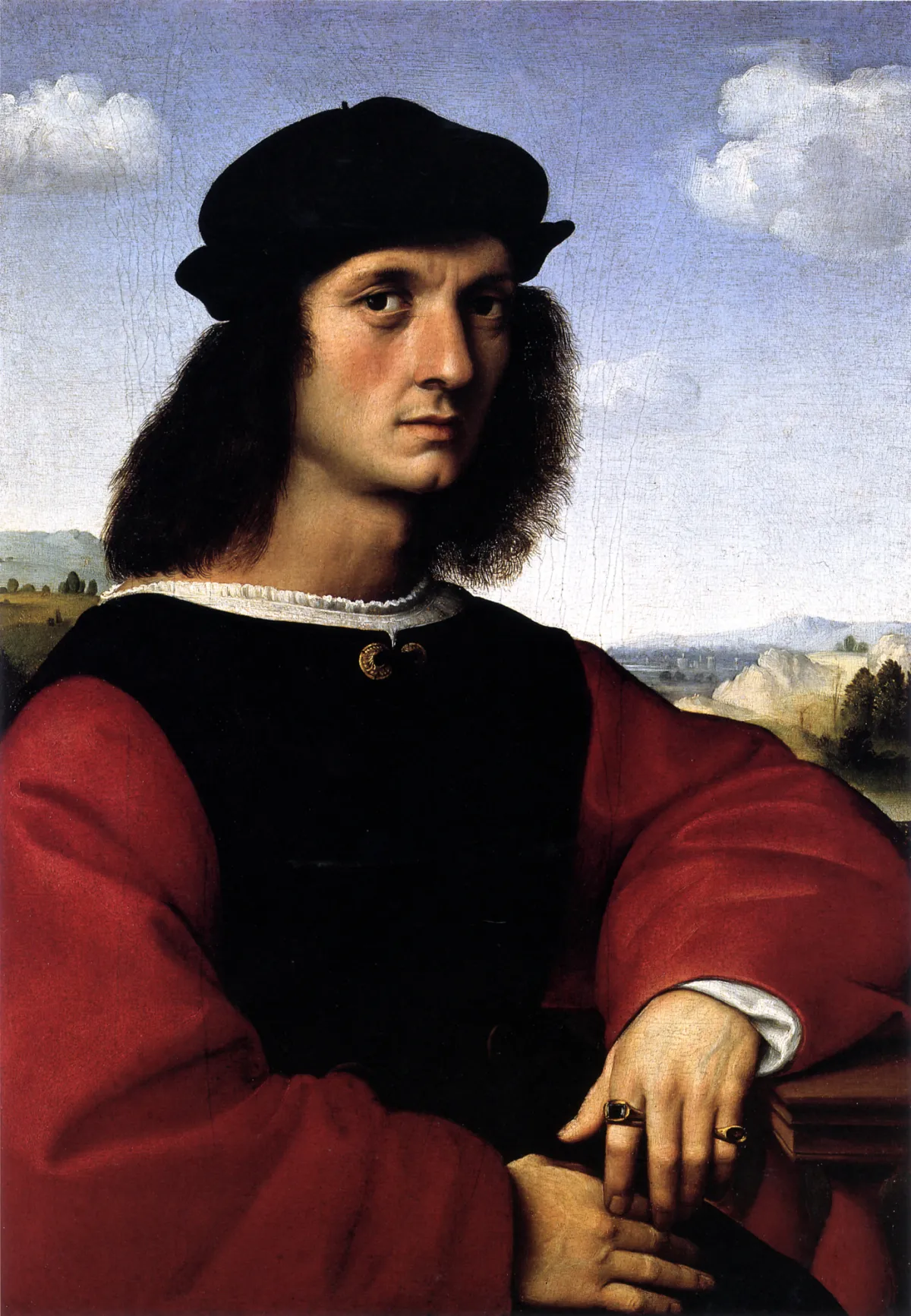 Photo: Raphael, via www.artchive.com
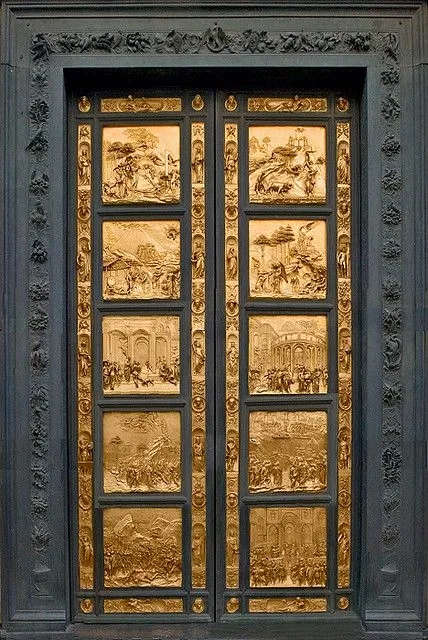 Photo: Ghiberti, via i.pinimg.com
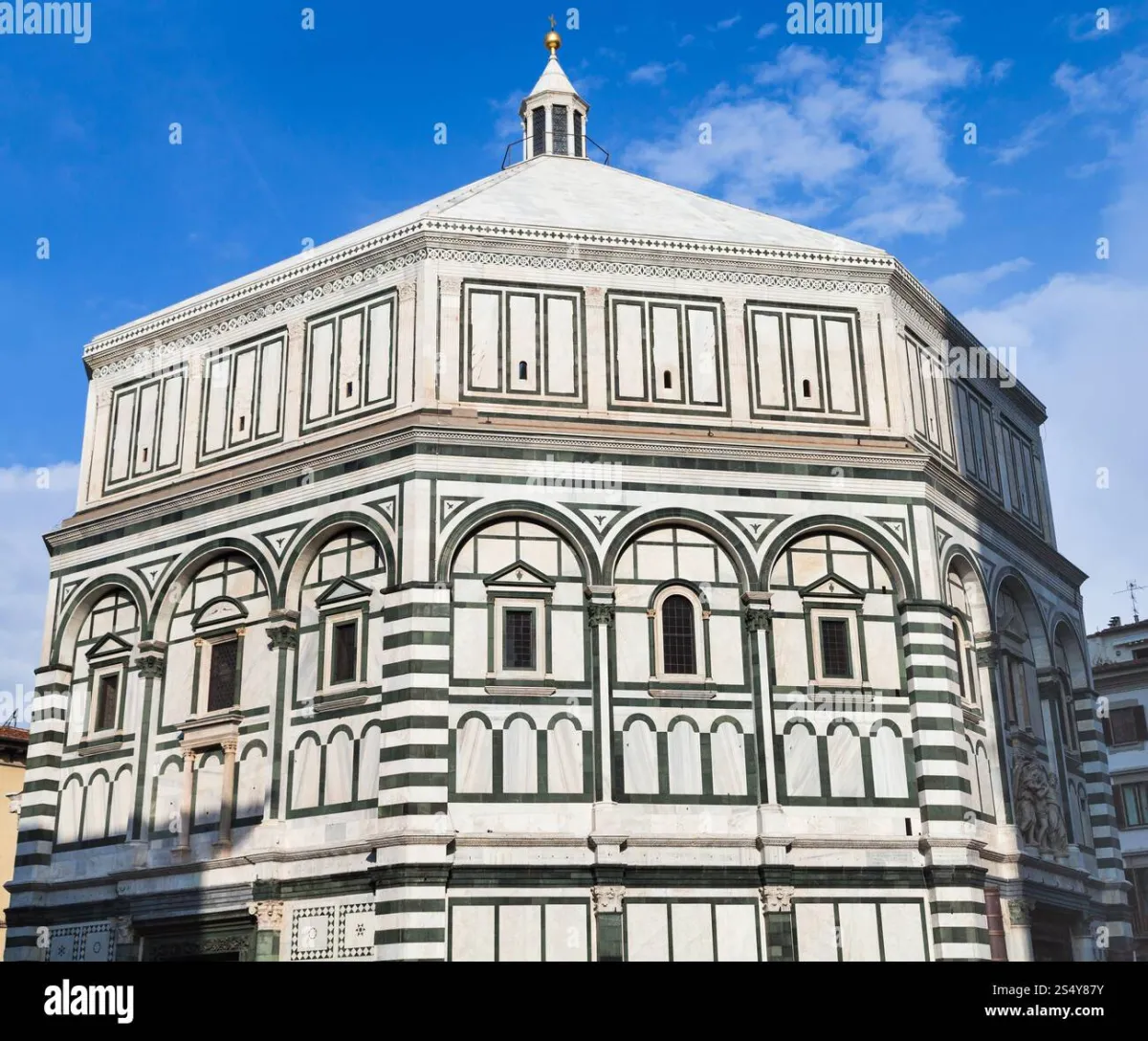 Photo: Florence Baptistery, via c8.alamy.com
This wasn't vanity or indulgence. It was strategic. The personal work was where risk was permitted, where new directions were tested, where the artist's own vision was allowed to develop unconstrained by a patron's taste. It fed back into the commissioned work invisibly but powerfully. The self-commission was, in effect, research and development — funded by the artist, for the artist.
The proportion varied. Some masters set aside one day in five. Others dedicated a fixed percentage of their earnings to materials for personal projects. The specifics mattered less than the intention: this portion is mine, and it is not for sale.
What Hustle Culture Took Away
The British creative industry of the past decade has not been especially kind to the personal practice. The language of the sector — 'side hustle,' 'passive income,' 'building your brand' — has quietly reframed even personal creative work as a vehicle for commercial return. If you're making something, the implicit question is always: what's it for? Who's the audience? Where does it fit in the portfolio? Can it be monetised?
It's an exhausting framework, and it has a particular effect on emerging creatives who've never been given permission to make work that isn't aimed at an outcome. The self-commission — work made for no brief, no client, no audience beyond yourself — has come to feel almost irresponsible.
Lucy Ferrara, a textile designer based in Leeds, describes the shift clearly. 'I graduated thinking personal work was what you did before you got clients. Once the commissions started coming in, I just... stopped. It took me about four years to realise that my client work had also quietly stopped surprising anyone, including me.'
Lucy started what she calls her 'private commission' practice eighteen months ago — one morning a week, materials funded from a small percentage of each invoice, with a strict rule that the resulting work cannot be shared publicly for at least six months. 'That last bit is the hardest part,' she laughs. 'The urge to post everything immediately is almost physical. But that delay is the point. It keeps the work genuinely mine.'
The Ritual of the Reserved Portion
What makes the Italian model distinctive — and what distinguishes it from simply 'finding time for personal projects' — is its structural deliberateness. This wasn't something the masters squeezed in around the edges. It was budgeted for, protected, and treated with the same seriousness as paid work.
For British creatives adopting the practice today, that structural element is everything. The self-commission isn't a vague intention to 'make more personal work.' It's a specific, recurring commitment with its own budget, its own time allocation, and its own internal brief.
Jamie Conti, a ceramicist working from a studio in Glasgow, has been operating a version of this system for two years. He sets aside ten percent of every commission fee into what he calls his 'patron fund' — a separate account used exclusively for materials and kiln time for personal pieces. 'It removes the decision entirely,' he explains. 'I don't have to choose between buying materials for myself or paying a bill. The money is already ringfenced. It's already mine.'
The work Jamie produces in these sessions looks nothing like his commercial output. That, he says, is precisely the point. 'If it looked the same, I'd be doing client work for free. The personal commission has to go somewhere the briefs don't reach.'
Writing Your Own Brief
For those wanting to start, the mechanics are simpler than they might appear. The self-commission begins with a brief — written, specific, and deliberately free of commercial logic. Not 'explore texture' but 'make five pieces that investigate what grief looks like in clay.' Not 'try new colour palettes' but 'paint only what I can see from this window for thirty days.'
The Italian masters understood that constraints were generative. A self-commission without a brief is just free time. A self-commission with a brief — even an absurd or deeply personal one — is practice with direction.
Natasha Okafor-Bianchi, an illustrator based in East London, writes herself a new brief every quarter. 'I treat it exactly like a client brief — deadline, deliverables, even a mood board. The only difference is the client is me, and the brief comes from something I actually care about rather than something a brand needs.' Her most recent self-commission, a series of illustrated maps of London streets that no longer exist, has generated more genuine enquiry from potential clients than anything in her commercial portfolio.
Which is, of course, exactly how it worked in Renaissance Florence. The private work feeds the public work. The self-commission makes the paid commission possible.
The masters knew it. It's time the rest of us remembered.