Beyond the Grant Game: Why Britain's Most Innovative Creatives Are Building Their Own Renaissance Courts

The Medici Method Meets Modern Britain
In a cramped studio above a Manchester bakery, textile artist Sarah Chen is weaving her latest commission — a series of wall hangings that will never see a gallery wall. Instead, they'll hang in the home of David, a local property developer who discovered her work through Instagram and now supports her practice with a monthly stipend of £800. In return, Sarah creates two pieces exclusively for him each year and sends quarterly updates about her creative process.
"It's nothing like the grant applications I used to spend weeks writing," Sarah explains, adjusting the tension on her loom. "David actually wants to be part of the journey, not just see the end result."
Welcome to Britain's quiet renaissance of the mecenate — the Italian tradition of private patronage that once funded Michelangelo's Sistine Chapel and Leonardo's notebooks. Across the UK, creative professionals are rediscovering what the Medici family knew centuries ago: that meaningful art emerges from meaningful relationships, not bureaucratic processes.
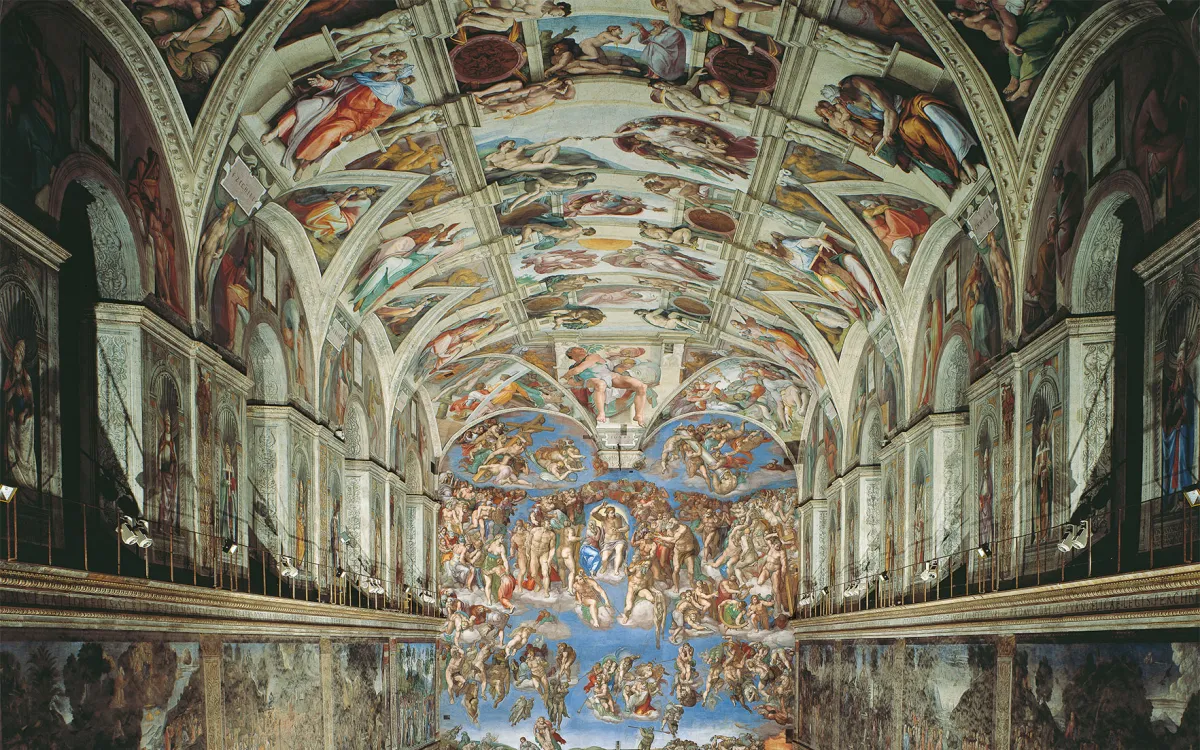 Photo: Sistine Chapel, via www.christies.com
From Florence to Folkestone: The New Patron Economy
The parallels between Renaissance Florence and contemporary Britain are striking. Just as the Medici banking fortune enabled artistic experimentation in 15th-century Italy, today's British entrepreneurs, small business owners, and creative professionals are finding ways to directly support the makers whose work enriches their lives.
Take James Morrison, a ceramicist based in Folkestone, who's built what he calls his "court of six" — half a dozen local supporters who each contribute £50 monthly to his practice. Unlike traditional art sales, where he might spend months creating pieces for an uncertain market, James now creates experimental work knowing his patrons are genuinely invested in his artistic development.
"The Renaissance artists had security to take risks," James notes, pulling a experimental glazed bowl from his kiln. "My patrons give me that same freedom. Last month, I spent three weeks just playing with new firing techniques because I knew my basic costs were covered."
The Anti-Algorithm Revolution
This shift represents more than just alternative funding — it's a philosophical rebellion against the attention economy that dominates contemporary creative life. Where social media algorithms demand constant content production and grant bodies require endless justification, the mecenate model prioritises depth over visibility.
London-based illustrator Marcus Webb experienced this transformation firsthand. After years of chasing Instagram engagement and competing for Arts Council grants, he pivoted to building direct relationships with collectors. Now, twelve regular supporters fund his practice through a private newsletter and exclusive access to original works.
"I stopped performing creativity and started actually doing it," Marcus reflects from his Bermondsey studio. "My patrons don't need me to post daily or hit arbitrary metrics. They want me to make the best work I can."
Building Your Modern Mecenate Circle
The beauty of the contemporary mecenate model lies in its accessibility. Unlike the Medici, who required vast wealth to commission entire chapels, today's patrons can meaningfully support artists with modest monthly contributions.
Start local and personal. The most successful modern patron relationships begin with genuine connection rather than transactional exchange. Consider the Hebden Bridge photographer who found her primary supporter at a local coffee shop, or the Brighton sculptor whose neighbour became his most dedicated patron after watching him work in his garden studio.
Transparency builds trust. Regular updates, behind-the-scenes glimpses, and honest communication about both successes and struggles create the intimacy that distinguishes patronage from mere commerce. Think of it as creative friendship rather than business transaction.
Offer exclusivity thoughtfully. Your patrons aren't just buying art — they're buying access to your creative process. This might mean first viewing of new work, input on upcoming projects, or simply detailed letters about your artistic journey.
The Intimacy Advantage
What makes the mecenate model particularly suited to British creative culture is its emphasis on relationship over scale. Where American creative funding often centres on venture capital thinking and Italian patronage historically involved grand public gestures, the British version tends towards quieter, more personal connections.
This intimacy creates unexpected benefits. Yorkshire textile artist Emma Clarke discovered that her patrons became valuable creative advisors, offering perspectives she'd never considered. "My patron Margaret has a background in museum curation," Emma explains. "Her insights have pushed my work in directions I never would have explored alone."
Beyond the Romantic Ideal
Of course, the mecenate model isn't without challenges. Building genuine patron relationships requires emotional labour that traditional funding doesn't demand. There's also the delicate balance between creative independence and patron expectations.
Successful creative-patron relationships require clear boundaries and honest communication. Edinburgh printmaker Tom Richardson learned this lesson when an early patron began making increasingly specific requests about subject matter. "We had to have a conversation about creative autonomy," Tom recalls. "Ultimately, he respected that he was supporting my vision, not commissioning his own."
The Future of Creative Support
As Britain's creative economy continues evolving, the mecenate model offers a compelling alternative to both commercial uncertainty and institutional bureaucracy. It's not about replacing grants or sales entirely, but about creating a stable foundation that allows for genuine creative risk-taking.
The Renaissance understood something we're rediscovering: great art emerges from sustained relationships, not fleeting transactions. In workshop spaces from Edinburgh to Exeter, British creatives are proving that the most innovative funding model might just be the oldest one of all.
Perhaps Lorenzo de' Medici would recognise what's happening in Sarah's Manchester studio or James's Folkestone workshop — the same alchemy of support, trust, and creative ambition that once transformed Florence. The only difference is scale: instead of commissioning cathedrals, today's mecenates are funding something equally valuable — the space for artists to think, experiment, and create without compromise.