Nothing Wasted: How the Italian Cucina Povera Mindset Is Becoming Britain's Most Exciting Design Philosophy
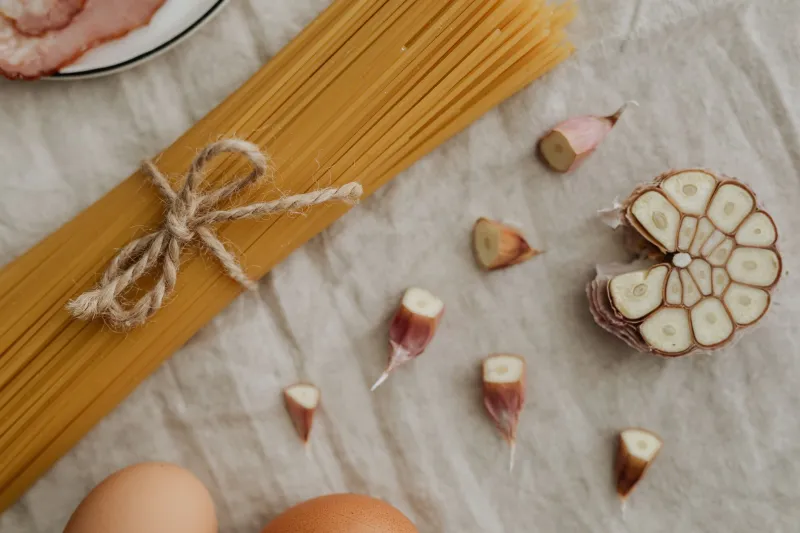
The Larder as a Design Brief
There's a particular kind of magic that happens in an Italian grandmother's kitchen on a Tuesday evening. The market has closed. The fridge holds odds and ends — a heel of bread, a handful of yesterday's beans, a few wilted herbs. And yet, somehow, what emerges from that kitchen is extraordinary. Not despite the limitations, but because of them.
This is cucina povera at its most honest. Literally translated as 'poor kitchen', it's a culinary tradition born from centuries of making something remarkable from very little. And while food writers have celebrated it for decades, a quieter conversation has been happening in British design studios, craft workshops, and independent agencies: what if this principle wasn't just about cooking?
What if scarcity was actually the brief?
When the Budget Is the Constraint and the Constraint Is the Concept
Lucy Hargreaves runs a small surface design studio from a converted outbuilding in Hebden Bridge. A few years ago, she'd have called herself resource-poor. Now she calls herself constraint-led.
"I couldn't afford the materials I thought I needed," she says. "So I started working with what I had — end-of-roll fabrics, surplus dye batches from a mill that was closing, misprinted samples I'd bought for almost nothing. And the work got genuinely stranger and better."
The patterns that came out of that period became her most commercially successful range. Buyers kept asking what her 'process' was. She'd laugh and say it was basically necessity.
This isn't an isolated story. Across the UK's independent creative sector, the cucina povera mindset is being adopted — sometimes consciously, sometimes accidentally — as a methodology rather than a misfortune.
What Italy Knew That Design Schools Forgot
The Italian peasant kitchen didn't just produce food. It produced a philosophy: that the ingredient list is never the starting point. The starting point is what's already there, and the question is what those materials want to become.
This inverts the conventional design process in a quietly radical way. Most studio training teaches you to define the outcome first — then gather the resources to achieve it. Cucina povera thinking goes the other way. You start with what exists, then ask what it's capable of.
For designers, this reframe can be genuinely liberating. A limited colour palette stops being a budget constraint and becomes a coherent visual language. A small material stock stops being a barrier and becomes an editorial decision. The restriction becomes the aesthetic.
Manchester-based graphic designer Olu Adeyemi describes it as 'designing from the inside out'. "When I had access to everything, I made decisions that were kind of arbitrary. When I had to justify every element because I simply didn't have an alternative, the work became more deliberate. More itself."
The Renaissance Connection You Might Not Expect
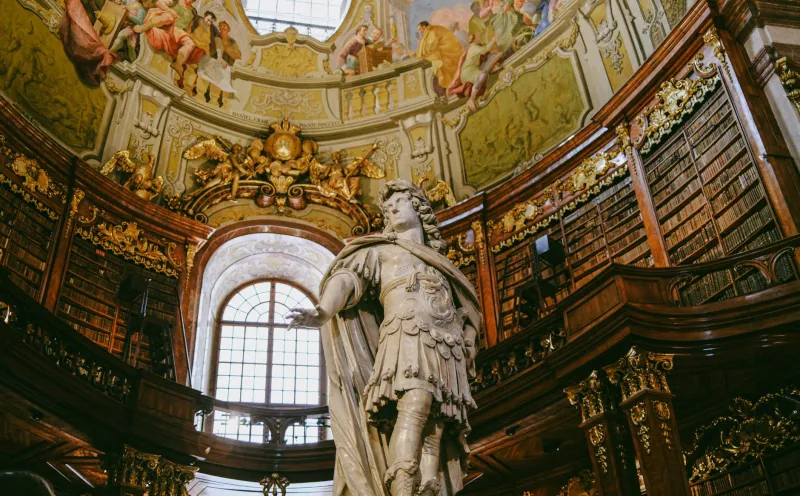
This isn't entirely new thinking, even in a design context. Renaissance workshops operated on principles remarkably similar to cucina povera. Pigments were expensive, gold leaf was rationed, and apprentices were trained to extract maximum expression from minimum material.
The lapis lazuli reserved for the Virgin Mary's robe wasn't just a devotional choice — it was an economic one. And that economy of means produced some of the most visually precise, emotionally charged work in Western art history.
British creatives are increasingly drawing this line between Renaissance material discipline and their own practice. Not as historical cosplay, but as a genuine working principle: that constraint forces decisions, and decisions made under pressure tend to carry more conviction.
Practical Cucina Povera for Your Studio
So how does this actually translate into a working method? A few approaches that British studios have found genuinely useful:
Audit before you order. Before starting a new project, do a full inventory of what you already have — materials, templates, existing assets, half-finished experiments. Treat this as your larder. The brief starts here.
Set a material boundary. Limit yourself to a specific number of materials, colours, typefaces, or components before you begin. Not because you can't access more, but because the boundary sharpens the thinking.
Reframe offcuts as primary material. Offcuts, surplus stock, and rejected samples are the bruised tomatoes of the design world — often discarded, frequently brilliant. Some of the most interesting surface work coming out of UK studios right now is built from 'waste'.
Let the material suggest the outcome. Rather than forcing a pre-determined result, spend time with what you have and ask what it's already trying to do. This is harder than it sounds, but it's where cucina povera thinking gets genuinely interesting.
Scarcity as Sophistication
There's a cultural shift happening here that's worth naming. For a long time, British creative culture equated access with quality. The well-resourced studio produced better work than the scrappy one. The big budget meant the better outcome.
That assumption is quietly crumbling. The studios producing the most talked-about work right now are often the ones working with the least — and making that constraint visible rather than hiding it.
Cucina povera cooking never tried to pretend it was French haute cuisine. It was honest about its origins, and that honesty was part of what made it beautiful. British design is increasingly learning the same lesson: that working within your means, and doing so with intention and craft, produces something that expensive resources simply can't replicate.
The larder is fuller than you think. You just have to be willing to cook with what's actually in it.