Empty Space, Full Impact: What Italian Composers Knew About the Power of Saying Nothing
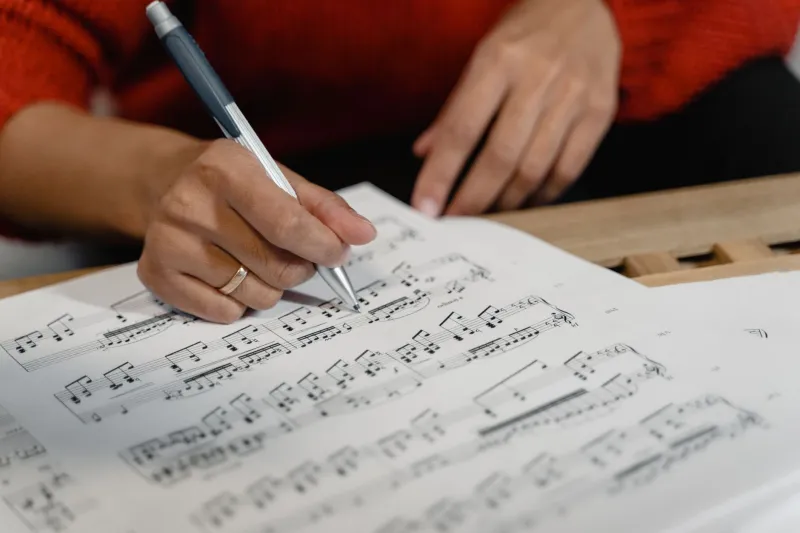
There's a moment in Verdi's Otello — just before the final act descends into catastrophe — where the orchestra simply stops. No fade, no diminuendo, just a clean, sudden absence of sound. It lasts perhaps two seconds. And yet those two seconds are unbearable. They do more dramatic work than any fortissimo passage in the opera. Verdi understood something that most of us spend careers trying to learn: that what you leave out is as deliberate, and as powerful, as what you put in.
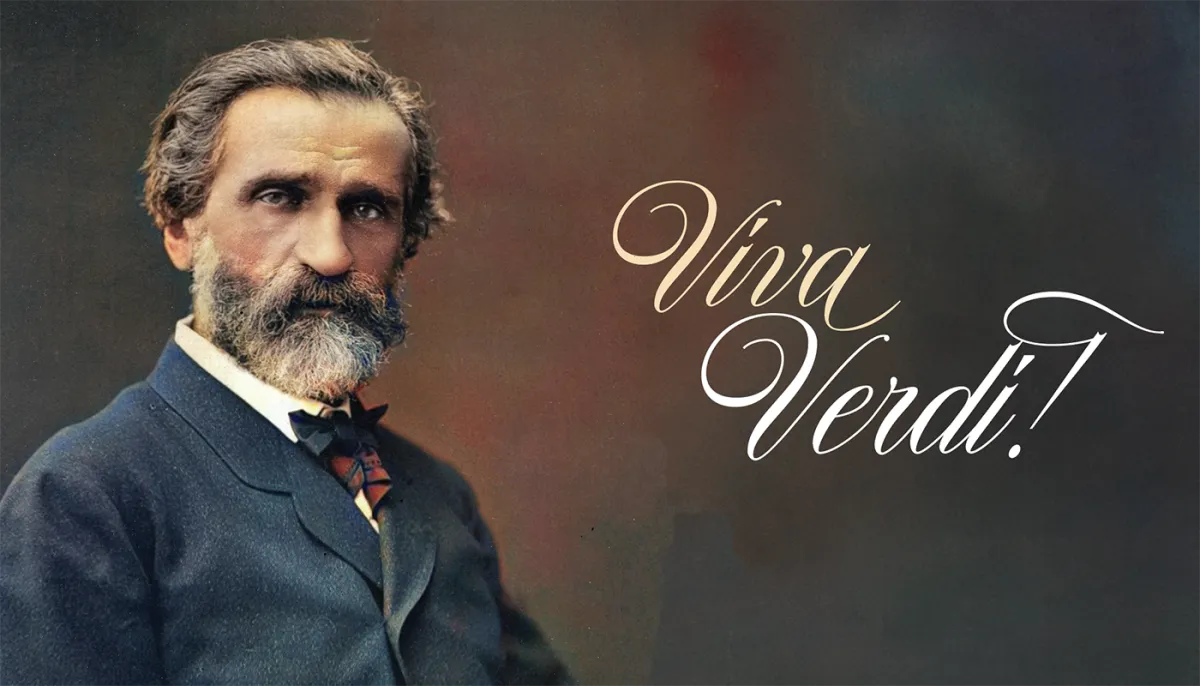 Photo: Verdi, via sfmuseo.org
This is the philosophy behind the Italian musical pausa — not merely a rest between notes, but an active compositional choice. And it turns out, British creatives across disciplines are waking up to the idea that it applies far beyond the concert hall.
More Than a Gap
The word pausa in Italian carries none of the apologetic quality that 'pause' does in English. We tend to treat gaps — in conversation, in design, in our schedules — as things to be filled, smoothed over, or explained. The Italian musical tradition treats them differently. From Monteverdi to Nino Rota, the rest is weighted. It has gravity. It creates anticipation, lets meaning settle, and forces the listener to lean in.
 Photo: Monteverdi, via www.iqsdirectory.com
Manchester-based composer and sound designer Harriet Okafor first encountered this idea during a residency in Bologna. "I was studying early Baroque vocal scores and what struck me immediately was how intentional the silences were," she says. "They weren't notated as afterthoughts. They were structured into the architecture of the piece. Coming back to my studio in Salford, I started asking myself whether I was designing my work with the same intentionality — or just filling space because silence made me nervous."
It's a question worth sitting with. In an era of constant content, perpetual notifications, and the pressure to always be producing, the idea that absence might be a tool rather than a failure feels almost radical.
The Design Equivalent of a Rest
For visual creatives, the parallel is negative space — but the Italian pausa concept pushes it further than mere compositional breathing room. It suggests that the gap should be felt, not just seen. It should create a kind of productive discomfort.
London-based graphic designer Rowan Lacy, who works primarily with independent publishers and cultural institutions, describes a shift in his practice after studying Italian Renaissance manuscript design. "There's a restraint in those early Italian printed books that you don't see in equivalent English work from the same period," he says. "The margins are enormous. The leading is generous. The silence on the page isn't empty — it's doing something. It's giving the reader's eye somewhere to rest and recover before the next idea arrives."
Lacy now builds what he calls 'pause points' into every layout he designs — deliberate areas of visual quiet that interrupt the flow and, counterintuitively, make the surrounding content more engaging. "Clients sometimes push back initially. They want to fill every centimetre. But when you show them the finished piece, they feel the difference even if they can't articulate why."
Silence in the Room
The pausa principle extends into how we communicate, too. Italian conversational culture — particularly in formal or professional contexts — has long recognised that a well-timed silence signals confidence and consideration, not vacancy. The person who rushes to fill every quiet moment in a meeting is, in this tradition, the one who hasn't thought things through.
Bristol-based architect Saoirse Drummond, who trained partly in Milan, has brought this sensibility into her client presentations. "In Italy, I noticed that the architects I respected most were comfortable letting a proposal sit in the room for a moment before they explained it. They trusted the work to speak first. Back here, I'd always been trained to narrate everything immediately, as if silence meant weakness."
She began experimenting with deliberate pauses in presentations — showing a design, saying nothing for ten or fifteen seconds, then asking the client what they noticed first. "It changed everything about how clients engaged with the work. They were no longer passive recipients of my explanation. They were active participants in discovering the design. The silence made space for that."
Rhythm as a Workflow Strategy
Perhaps the most practical application of the pausa principle is in how we structure creative work itself. The Italian compositional tradition suggests that rhythm — alternating between sound and silence — is what gives music its power. The same logic applies to a working day, a project timeline, or even a career.
This isn't about scheduled breaks in the productivity-hack sense. It's about treating the quieter periods — the days between project phases, the mornings before a brief arrives, the hours after a major deadline — as compositional elements rather than dead time. They're not gaps in the work. They're part of the work.
Harriet Okafor puts it bluntly: "I used to feel guilty on quiet days. Now I treat them the way Verdi treated his rests. They're load-bearing. The next burst of energy only has meaning because of what came before it."
Learning to Leave Space
The pausa, ultimately, is a philosophy of trust. Trust that your audience — whether they're listening to music, reading a page, sitting in a meeting, or looking at a design — can handle a moment of quiet. Trust that the work is strong enough not to need constant explanation or embellishment. Trust that absence, handled with intention, speaks.
For British creatives conditioned to demonstrate value through volume, it's a counterintuitive discipline. But the Italian tradition offers a compelling case: the most powerful moments in Verdi, in Monteverdi, in Morricone, aren't the loudest ones. They're the ones where everything stops, and you realise — in the sudden quiet — exactly what's at stake.
Maybe your next project deserves that same kind of courage.