First Impressions, Italian Style: The Art of Opening Moments That Transform Every Creative Encounter
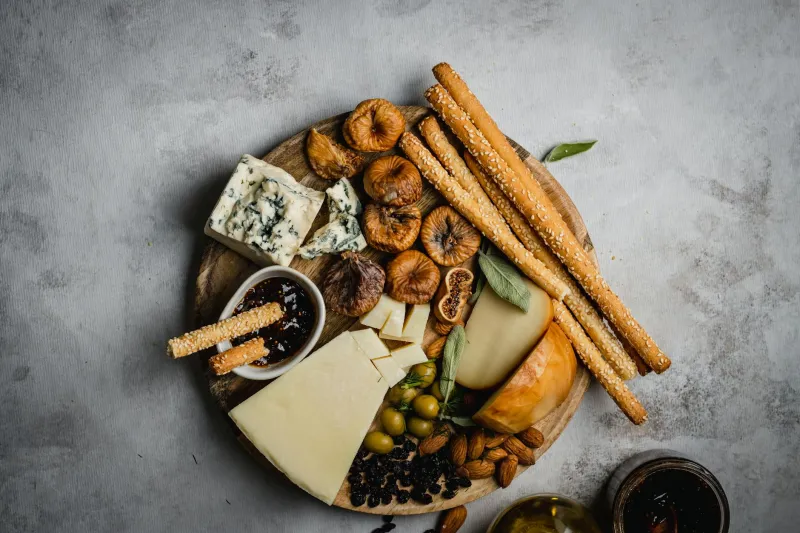
In the hill towns of Tuscany, the antipasto course isn't merely food served before the meal — it's a philosophy made edible. Each carefully chosen element signals the chef's intentions, awakens specific taste receptors, and creates anticipation for the journey ahead. The best antipasti don't just satisfy hunger; they transform the entire dining experience by establishing mood, pace, and expectation from the very first bite.
This ancient Italian understanding of beginnings is quietly revolutionising how Britain's most thoughtful creatives approach their professional encounters. From pitch presentations in Shoreditch to workshop facilitation in Manchester, a growing movement recognises that the opening moments of any interaction deserve as much craft and consideration as the main event itself.
The Science of First Moments
Neuroscience confirms what Italian hosts have understood for generations: first impressions aren't just important — they're neurologically decisive. Within the first seven seconds of any encounter, our brains form judgements that influence every subsequent interaction. Unlike the gradual building of trust or expertise, this initial assessment happens below the threshold of conscious awareness, making it both powerful and difficult to reverse.
"The opening moments of any creative presentation function like a key in a lock," explains Dr. Rachel Morrison, a cognitive psychologist studying decision-making in creative industries at the University of Edinburgh. "They either grant access to genuine attention and openness, or they trigger defensive patterns that make meaningful connection nearly impossible."
 Photo: University of Edinburgh, via c8.alamy.com
This biological reality explains why even the most brilliant creative work can fail to land if it's preceded by awkward small talk, technical difficulties, or unclear intentions. The brain's threat-detection systems, evolved for physical survival, remain hyperactive during professional encounters, constantly scanning for signs of competence, trustworthiness, and relevance.
Lessons from the Italian Table
The antipasto tradition offers a sophisticated framework for crafting opening experiences that engage multiple senses and create positive anticipation. Consider how a skilled Italian host approaches the beginning of a meal: the selection of cheeses signals regional pride and seasonal awareness; the arrangement demonstrates aesthetic sensibility; the pairing of flavours shows understanding of progression and contrast; the timing respects both hunger and conversation.
Each element serves multiple purposes simultaneously — nourishment, entertainment, education, and relationship building. This multi-layered approach to beginnings is precisely what British creatives are adapting for their professional practice.
London-based brand strategist Emma Chen has restructured her client presentations around what she calls "strategic antipasti." Instead of launching directly into research findings or creative concepts, she begins each session with three carefully chosen provocations: a surprising statistic about the client's industry, an unexpected historical parallel to their current challenge, and a sensory object that embodies the emotional territory they're exploring.
"The goal isn't to impress but to activate," Chen explains. "Like a good antipasto, each opening element should awaken a different kind of attention and create hunger for what's coming next."
The Architecture of Attention
The most effective creative openings share certain structural similarities with traditional Italian antipasti. They're varied enough to engage different types of thinking, substantial enough to feel meaningful, but restrained enough to leave room for the main experience. They establish tone without overwhelming, create intrigue without confusion.
Glasgow-based design studio Collective North has developed what they call "the three-taste rule" for workshop beginnings. Every session opens with something unexpected (to disrupt routine thinking), something familiar (to establish comfort), and something forward-looking (to create anticipation). Recent workshops have begun with vintage advertising ephemera, locally sourced materials, and speculative future scenarios.
"We learned this from watching how our Italian collaborators approach project kickoffs," notes studio director James Park. "They never just dive into business. There's always this deliberate choreography of connection before work begins."
This attention to choreography extends beyond content to encompass timing, pacing, and environmental factors. The most sophisticated practitioners consider everything from lighting and seating arrangements to the sequence of information reveal, recognising that how something is presented often matters more than what is presented.
Personal Rituals, Professional Impact
The antipasto principle isn't limited to formal presentations or large group workshops. Manchester-based illustrator Sarah Williams has developed opening rituals for one-on-one client meetings that dramatically improve communication and creative alignment. She begins each session by sharing three recent discoveries — a book, an image, and a technique — then invites clients to do the same.
"It sounds simple, but it completely changes the dynamic," Williams observes. "Instead of the usual client-service provider hierarchy, we're immediately positioned as creative collaborators sharing inspiration. The quality of ideas that emerge from these conversations is completely different."
This democratising effect of well-crafted beginnings appears consistently across different creative disciplines. When opening moments are designed to engage curiosity rather than establish authority, they create psychological safety that enables more adventurous thinking and honest feedback.
The Digital Antipasto
Adapting these principles to virtual encounters requires particular creativity. Birmingham-based UX designer Tom Richardson has pioneered what he calls "digital antipasti" for remote client workshops. Participants receive small packages before online sessions containing materials related to the project: fabric swatches for fashion brands, seed packets for environmental initiatives, postcards from relevant locations.
"The physical objects create shared sensory reference points that Zoom can't provide," Richardson explains. "When everyone's holding the same materials while we talk, it bridges the gap between digital conversation and tactile creativity."
Other practitioners use carefully curated Spotify playlists, shared visual mood boards, or even coordinated tea selections to create multi-sensory opening experiences that work across video platforms. The key insight is that engagement requires more than visual attention — it demands activation of multiple sensory and emotional channels.
Beyond Technique: Philosophy in Practice
The deeper lesson of the antipasto principle extends beyond specific techniques to encompass a fundamental philosophy about creative relationships. Italian dining culture recognises that sharing food is inherently intimate, requiring vulnerability and trust from all participants. The antipasto course acknowledges this intimacy by creating a transitional space between everyday concerns and the focused attention that meaningful meals require.
Creative work demands similar intimacy and vulnerability. Clients must trust practitioners with their brand reputations, business objectives, and sometimes personal visions. Practitioners must share half-formed ideas, admit uncertainties, and risk creative failure in front of paying audiences. The opening moments of creative encounters either establish the psychological safety necessary for this vulnerability or doom the collaboration to superficial outcomes.
"The best creative relationships feel like friendships, even when they're strictly professional," observes Cardiff-based brand consultant Lisa Morgan. "But friendship requires time to develop. The antipasto approach lets you create that feeling of connection and shared purpose from the very beginning."
Measuring the Unmeasurable
While the impacts of improved opening experiences are often intangible, practitioners report consistent improvements in client satisfaction, project outcomes, and referral rates. More significantly, many describe increased personal satisfaction with their creative practice as opening rituals help them transition more effectively between different types of thinking and engagement.
The antipasto principle offers something increasingly rare in contemporary creative practice: permission to slow down, to honour beginnings, and to treat every professional encounter as an opportunity for genuine human connection. In an industry often driven by efficiency metrics and deliverable deadlines, this Italian-inspired approach reminds us that the quality of creative relationships ultimately determines the quality of creative outcomes.
As any Italian host knows, a meal is never just about the food — it's about creating an experience that nourishes both body and spirit. The antipasto principle applies this wisdom to creative practice, recognising that every encounter is an opportunity to craft something beautiful, meaningful, and memorable from the very first moment.