Pages That Think: Why the Italian Quaderno Is Quietly Transforming How British Creatives Handle Their Best Ideas
There's a particular kind of loss that digital creatives know well. You type a thought into your notes app, tag it with the best of intentions, and then — nothing. It disappears into a folder you never open again, buried under shopping lists and half-finished voice memos. The idea wasn't bad. It just had nowhere to live.
In Italy, there's a quiet cultural understanding that ideas are fragile, living things. They need somewhere warm to go before they're ready to become anything. That somewhere is the quaderno.
What a Quaderno Actually Is (And What It Isn't)
The word quaderno simply means notebook in Italian, but the cultural practice around it is far more specific than the translation suggests. A quaderno isn't a diary. It's not a sketchbook. It's not a planner or a to-do list dressed up in leather covers. It occupies its own territory entirely — somewhere between a thinking space and an archive of possibility.
Italian creatives, from architects in Bologna to jewellers in Florence, have long kept quaderni as repositories for the unfinished. Questions without answers. Observations that feel important but don't yet connect to anything. Fragments of overheard conversation. Half-remembered references. The kind of material that doesn't fit anywhere else because it hasn't decided what it wants to be yet.
What distinguishes the quaderno from generic journalling is intentionality without agenda. You're not processing your feelings. You're not planning your week. You're simply giving your raw thinking a physical address — somewhere it can sit, age, and eventually surprise you.
Why Physical Permanence Changes Everything
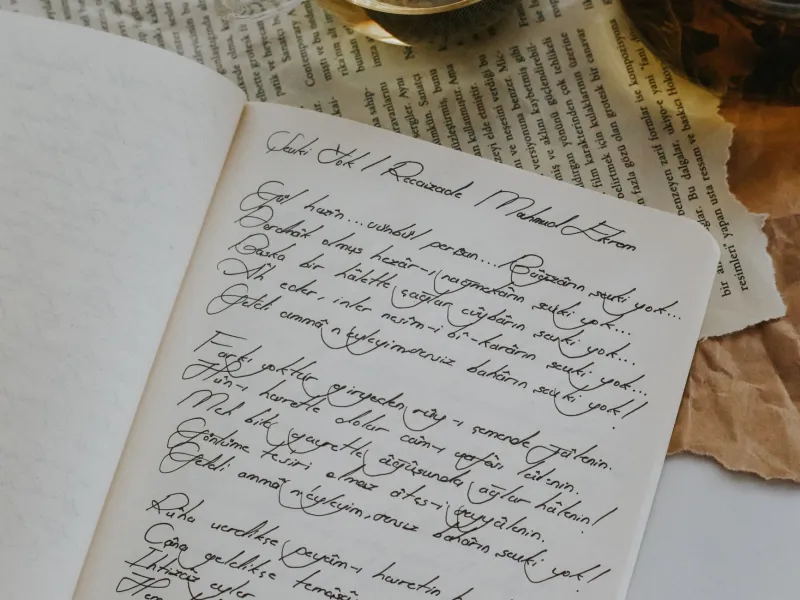
There's a belief embedded in Italian creative culture that an idea deserves physical existence long before it deserves polish. Writing something down by hand — slowly, imperfectly, in ink that can't be deleted — is an act of respect toward the thought itself. It says: you matter enough to be kept.
This stands in stark contrast to the throwaway logic of digital note-taking, where the ease of capture creates a paradox. We save everything and value nothing. The friction of handwriting, by contrast, forces a moment of consideration. Do I actually think this is worth recording? That tiny pause changes your relationship with your own ideas.
British creatives who've adopted the quaderno practice often describe a similar turning point — the moment they stopped treating their notebook as a productivity tool and started treating it as a creative companion. Laura, a textile designer based in Bristol, keeps what she calls her "slow notebook" on her studio desk. "It's not for finished thoughts. It's for the weird stuff — the things I notice but don't understand yet. And then six months later, I'll flip back through it and suddenly something clicks."
The Structure Within the Freedom
One of the most appealing aspects of the quaderno tradition is that it's structured without being rigid. Italian practitioners often establish loose conventions that give the notebook a consistent character without constraining what goes inside. Some date every entry. Some use a particular ink colour for questions versus observations. Some reserve the left-hand pages for visual material and the right for written thought.
These micro-rituals aren't rules — they're orientation devices. They help you find your way back through the pages. And crucially, they make the act of opening the notebook feel like entering a particular kind of mental space, distinct from your email or your project management software.
For British creatives working in flats or shared studios where physical space is limited, the quaderno offers something particularly valuable: a portable inner room. It doesn't require a dedicated desk or a quiet afternoon. It just requires the habit of reaching for it before you reach for your phone.
Starting Your Own: A Few Honest Guidelines
If you want to begin a quaderno practice, resist the urge to make it beautiful before it's useful. Don't wait for the perfect notebook (though a well-made one does help — look at independent British stationers like Papersmiths or Choosing Keeping for options that feel worth returning to). Don't set rules about how often you write. Don't worry about handwriting.
Instead, start with a single prompt: What am I noticing that I don't understand yet? That's the quaderno's native territory. Uncertainty. Curiosity. The creative hinterland before the idea has a name.
Give it three weeks. Don't read it back until the end of that period. When you do, you'll likely find connections you didn't know you were making — threads between observations that your conscious mind was too busy to see. That's the quiet power of the practice. The notebook thinks alongside you, even when you're not looking at it.
The Archive as Creative Asset
Over time, a well-kept quaderno becomes something extraordinary: a personal archive of your evolving creative mind. Italian masters understood this. Leonardo da Vinci's notebooks — the most famous quaderni in history — weren't kept for posterity. They were working documents, messy and alive, full of abandoned ideas and sudden pivots. Their value only became apparent across time.
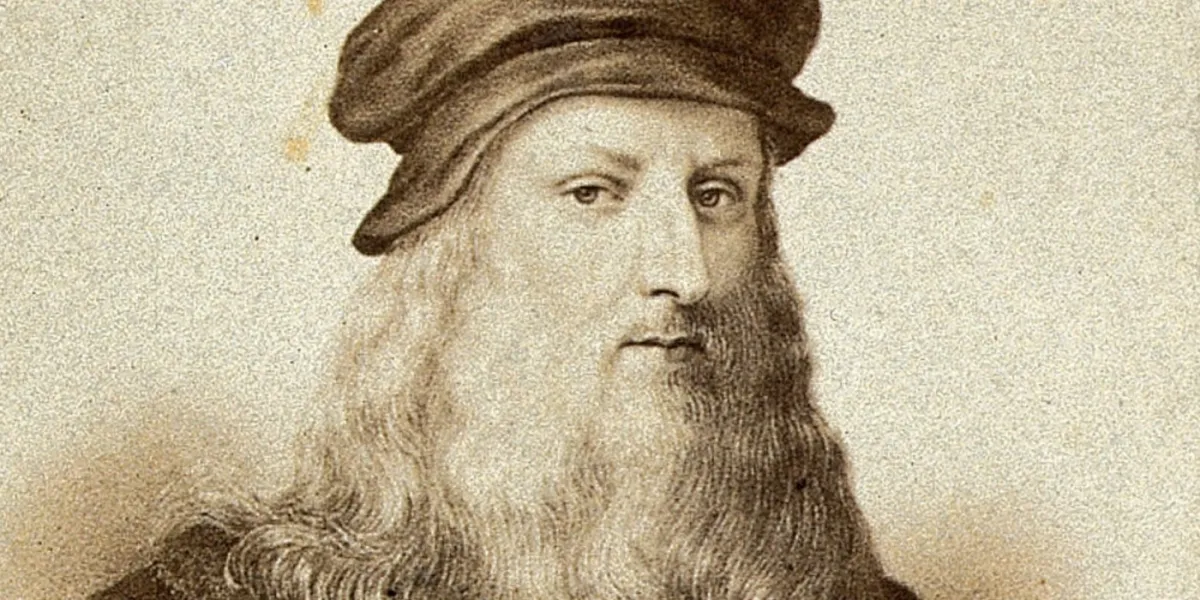 Photo: Leonardo da Vinci, via www.shortform.com
You don't need to be Leonardo. You just need to stop treating your ideas as disposable. Give them a page, a date, and a little patience. The Italian quaderno tradition asks nothing more than that — and offers, in return, a creative practice that gets richer every single year.