Renaissance Funding Rebellion: How Britain's Creative Mavericks Are Bringing Back the Lost Art of Artistic Patronage
The Merchant's Gamble
Walk through the cobbled streets of Florence in 1450, and you'd witness something extraordinary: wealthy silk merchants commissioning frescoes not because they needed wall decorations, but because supporting artists elevated their standing in society. The Medici family didn't fund Michelangelo expecting a return on investment—they understood that cultural patronage was its own form of currency.
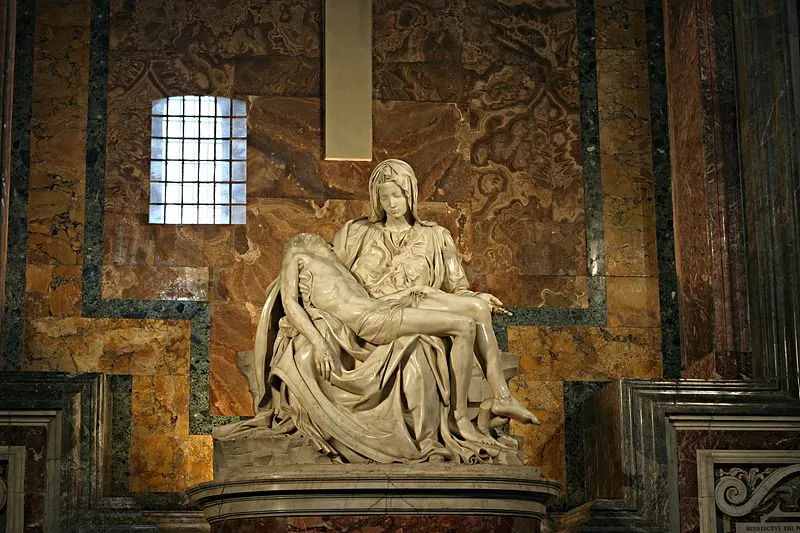 Photo: Michelangelo, via img.atlasobscura.com
Five centuries later, this ancient wisdom is quietly revolutionising Britain's creative landscape. From Birmingham's Jewellery Quarter to Glasgow's West End, a new generation of patrons is emerging—not Renaissance princes, but independent business owners, collectors, and community leaders who've grown weary of watching talented creatives burn out in the grant-and-pitch cycle.
Beyond the Begging Bowl
Sarah Chen, a ceramicist based in Bristol, discovered this alternative funding ecosystem almost by accident. "I'd spent three years writing grant applications and getting nowhere," she explains. "Then a local café owner approached me after seeing my work at a market. He didn't want to buy pieces—he wanted to support my practice. We worked out a monthly arrangement where he funds my studio rent in exchange for first refusal on new work and the occasional workshop for his customers."
This isn't charity; it's patronage with a distinctly British twist. Unlike the Renaissance model where power dynamics were starkly hierarchical, today's creative partnerships are built on mutual respect and shared vision. The patron gains cultural capital and genuine connection to the creative process, while the artist receives the most precious commodity of all: time to develop their voice without commercial pressure.
The New Medici Network
Across Britain, micro-patronage platforms are sprouting like mushrooms after rain. Manchester's "Studio Supporters" connects local businesses with emerging artists for monthly sponsorships starting at £50. Edinburgh's "Patron Project" facilitates relationships between collectors and makers, creating ongoing partnerships rather than one-off purchases.
But perhaps the most intriguing development is happening in London's creative quarters, where established artists are becoming patrons themselves. Photographer James Morrison, whose commercial work funds his practice, now sponsors two emerging textile artists. "I remember how crucial those early years were," he says. "Having someone believe in your work enough to support it financially—that changes everything."
The Subscription Studio Revolution
The digital age has democratised patronage in ways Renaissance merchants could never have imagined. British creatives are launching subscription models that would make Lorenzo de' Medici envious. Illustrator Emma Blackwood runs "Studio Sessions," where supporters pay £25 monthly for behind-the-scenes content, early access to prints, and quarterly video calls where she shares her creative process.
"It's not about the money alone," Blackwood explains. "My subscribers become invested in my journey. They celebrate when I land a dream commission and offer encouragement during creative blocks. It's patronage as community-building."
The Cultural Investment Mindset
What distinguishes modern British patronage from traditional arts funding is its emphasis on relationship over transaction. Patrons aren't buying outcomes; they're investing in potential. This mirrors the Renaissance understanding that supporting artists was about nurturing culture itself, not acquiring specific products.
Take the example of "The Makers' Circle" in Brighton, where twelve local business owners each contribute £100 monthly to support a rotating roster of craftspeople. The funded artists aren't required to produce anything specific—they're simply asked to share their process and invite patrons to occasional studio visits.
"We're not venture capitalists," explains Circle member David Hart, who owns a independent bookshop. "We're cultural investors. The return isn't monetary—it's being part of something beautiful taking shape."
Breaking the Commercial Compromise
This patronage renaissance addresses a fundamental problem plaguing British creatives: the pressure to commercialise their practice before it's fully developed. Traditional funding often comes with strings attached—specific outcomes, target audiences, measurable impacts. Patronage, by contrast, allows artists to follow their instincts and develop their voice organically.
Textile artist Lucy Pemberton credits her patron relationship with transforming her practice. "For two years, I was making what I thought would sell rather than what excited me," she recalls. "Having patron support meant I could experiment with techniques that might not work, explore themes that weren't commercially obvious. That freedom led to the breakthrough that actually made my work commercially viable."
The Future of Cultural Support
As Britain's creative economy grapples with funding cuts and increased competition, the Renaissance model offers a sustainable alternative. It's not about replacing grants or commercial work, but creating a third pillar of support that values creativity for its own sake.
The beauty of modern patronage lies in its accessibility. You don't need Medici-level wealth to become a patron—just the understanding that supporting creativity enriches society. Whether it's a monthly subscription to an artist's practice, funding a studio residency, or simply commissioning work without demanding commercial compromise, every act of cultural investment helps rebuild the ecosystem that allows creativity to flourish.
In a world increasingly dominated by metrics and outcomes, the patronage model reminds us of something the Renaissance masters knew instinctively: the most valuable cultural contributions often emerge when artists are free to follow their vision without compromise. Britain's creative rebels are proving that this ancient wisdom isn't just historically interesting—it's practically revolutionary.