The Ritual Before the Ritual: How Italian Table Ceremonies Are Teaching British Creatives the Secret Power of Deliberate Beginnings
The Sacred Theatre of Preparation
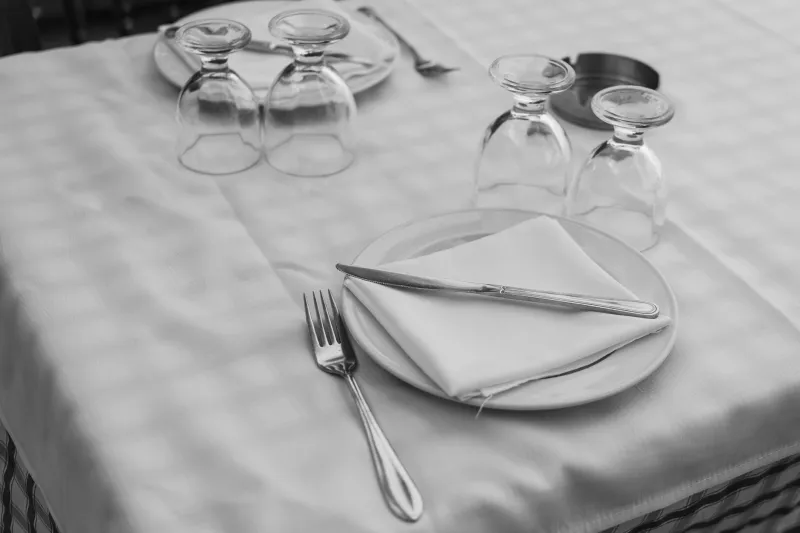
Watch an Italian nonna prepare for Sunday lunch, and you'll witness something extraordinary. The table isn't simply "set"—it's orchestrated. Each fork finds its precise position, every glass catches the light just so, and the tablecloth falls with mathematical precision. This isn't efficiency; it's ceremony. The act of apparecchiare la tavola—literally "to prepare the table"—transforms an ordinary surface into a stage where relationships, conversations, and memories will unfold.
This philosophy of deliberate preparation is quietly revolutionising how British creatives approach their most important work. From photography studios in Glasgow to design agencies in Brighton, a new understanding is emerging: the ritual of beginning is as crucial as the work itself.
The Photographer's Altar
In her Hackney studio, portrait photographer Zara Mitchell has transformed the concept of "setting up" into something approaching sacred practice. Inspired by her grandmother's meticulous table preparations in Tuscany, Mitchell now treats each shoot preparation as its own creative act.
"I used to rush through setup, thinking the real work began when the client arrived," Mitchell explains. "But watching my nonna prepare for family meals taught me something profound: the energy you put into preparation infuses everything that follows."
Mitchell's pre-shoot ritual involves more than technical setup. She arranges her equipment with ceremonial precision, each lens positioned according to its role in the day's narrative. Lighting equipment isn't just placed—it's positioned with the same attention an Italian hostess gives to stemware placement. She even incorporates elements borrowed directly from table setting: fresh flowers to establish mood, carefully chosen fabrics to define texture, and what she calls "conversation pieces"—objects that might spark unexpected dialogue during the session.
"The clients feel it immediately," Mitchell observes. "They enter a space that's been prepared with intention, and it elevates their entire experience. The portraits are better because the beginning was better."
The Designer's Table Setting
Brand consultant Emma Hartwell has taken the Italian table philosophy even further, literally incorporating dining elements into her client meetings. Her Marylebone office features a large wooden table that serves multiple functions throughout the day—sometimes a workspace, sometimes a meeting room, but always set with the precision of a fine restaurant.
"Every client meeting begins with me setting the table," Hartwell explains. "Not just arranging papers and laptops, but actually setting it like we're about to share a meal. Proper napkins, water glasses, sometimes even small plates with biscuits. It signals that what we're about to do together matters."
This approach extends beyond aesthetics into psychology. Research supports what Italian culture has long understood: the physical environment shapes mental state. When Hartwell's clients sit at a properly set table, they unconsciously shift into a more collaborative, considered mindset.
"I've noticed that conversations deepen when people feel they're at a table rather than in a meeting room," Hartwell notes. "There's something about the ritual of shared space that makes people more open, more creative. My best client relationships have all begun with really good table setting."
The Maker's Bench Ceremony
In his Edinburgh workshop, furniture maker Tom Bradley applies Italian table philosophy to his daily practice routine. Each morning begins with what he calls "bench blessing"—a careful arrangement of tools that mirrors the precision of formal place setting.
Chisels are arranged by size like cutlery, each in its designated position. Measuring tools occupy specific locations like glasses and plates. Even wood shavings are swept into tidy piles, creating what Bradley describes as "negative space that invites positive work."
"It's about respect," Bradley explains. "Respect for the tools, respect for the wood, respect for the work ahead. When everything has its proper place, I can focus entirely on creation rather than hunting for the right chisel."
The practice has practical benefits beyond the philosophical. Bradley reports fewer mistakes, better focus, and what he describes as "tool confidence"—the unconscious knowledge that everything needed is exactly where it should be.
The Agency's Daily Apparecchiare
At London creative agency Meridian & Co, the entire team participates in a daily "studio setting" ritual inspired by Italian dining culture. Each morning begins with a communal arrangement of the workspace—not just tidying, but deliberate positioning of elements for the day ahead.
Desks aren't simply cleared; they're set like individual place settings within the larger studio table. Notebooks are positioned at precise angles, pens arranged by colour and function, reference materials displayed like carefully chosen table decorations. The ritual takes fifteen minutes and involves the entire team working in companionable silence.
"It's meditation disguised as organisation," explains creative director James Chen. "But more than that, it's a daily commitment to treating our work as something worthy of ceremony. When you begin each day by preparing your space with intention, you signal to yourself and your colleagues that what happens next matters."
The practice has transformed the agency's culture. Deadlines feel less frantic, collaboration flows more naturally, and clients consistently comment on the studio's "special energy." Chen attributes this directly to their daily preparation ritual.
The Philosophy of Precedence
What British creatives are discovering through Italian table wisdom is something profound about the nature of creative work itself. The quality of beginning determines the quality of outcome—not just practically, but energetically.
"In Italy, we understand that the meal begins when you start setting the table, not when you sit down to eat," explains Milan-born London resident Giulia Rossi, who consults with British creative businesses on workspace design. "The preparation is part of the experience, not separate from it. British creatives are finally learning this lesson."
This understanding challenges the prevalent British attitude toward preparation as mere necessity rather than opportunity. Italian culture recognises preparation as its own form of creativity—a chance to establish intention, create atmosphere, and signal respect for what's to come.
The Ripple Effect of Ritual
The impact of ceremonial preparation extends far beyond individual practice. Studios that embrace deliberate beginnings report stronger team cohesion, better client relationships, and what many describe as "elevated outcomes." The ritual creates a shared understanding that the work matters enough to deserve proper ceremony.
Textile designer Sarah Pemberton discovered this when she began treating her studio like a formal dining room. "I started setting up my workspace each morning as if I were expecting important guests," she explains. "Fresh flowers, properly arranged tools, even good lighting. It sounds silly, but my work immediately improved. When you treat your practice with ceremony, the practice rises to meet that treatment."
Beyond the Studio
The influence of Italian table philosophy is spreading beyond individual practice into collaborative creative work. Project kickoffs are treated like dinner party preparations, with careful attention to environmental details that support creative thinking. Client presentations become formal dining experiences, with proper table setting and ceremonial attention to detail.
"We're rediscovering something our grandparents knew," observes design historian Dr. Margaret Wells. "That how you begin something shapes everything that follows. Italian culture never forgot this wisdom, but British creativity is finally catching up."
In a world of rushed deadlines and digital distraction, the ancient art of apparecchiare la tavola offers British creatives something invaluable: permission to slow down, prepare properly, and treat their work with the ceremony it deserves. After all, every great creative achievement begins with a properly set table.