The Pause That Pays: What Mediterranean Rest Culture Is Teaching Overworked British Studios About Real Productivity
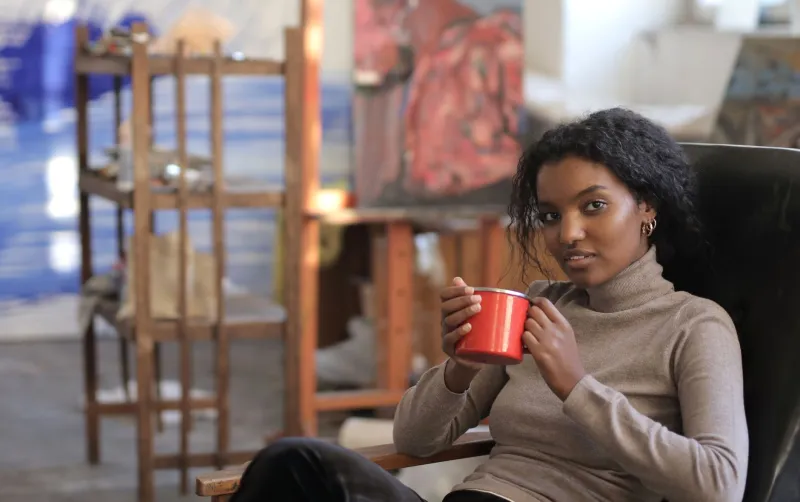
At some point in the last decade, British creative culture absorbed a particularly damaging idea: that the person working longest is the person working hardest, and the person working hardest deserves to succeed. This idea is everywhere — in the casual boasting about late nights in studio, in the LinkedIn posts about 4am starts, in the almost competitive exhaustion that gets traded at industry events. It's also, the science is increasingly clear, almost entirely wrong.
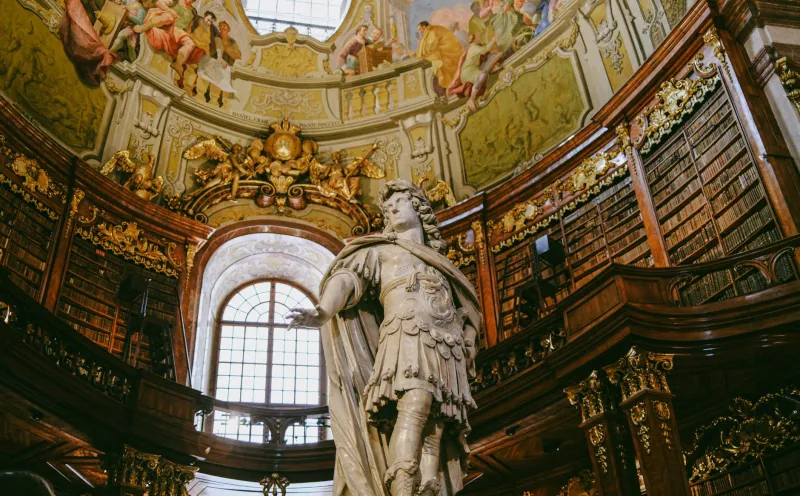
Meanwhile, in Italy, the afternoon has always been handled differently. The pausa pranzo — the midday break — isn't laziness. It's infrastructure. Businesses close. Streets empty. People eat properly, rest genuinely, and return to work with something they didn't have before lunch: actual mental capacity. British creatives who've spent time working in Italian cities often return describing a kind of culture shock — not at the slowing down, but at how much more clearly they were thinking by three o'clock.
The Neuroscience of the Break
The brain doesn't operate like a machine. It doesn't produce consistent output across an eight-hour stretch, and it certainly doesn't improve with longer hours in the way that, say, a factory floor might. Cognitive neuroscience has been building a fairly damning case against continuous work for years, and the creative industries — which depend on insight, lateral thinking, and genuine originality — are particularly poorly served by the always-on model.
Research from the University of Edinburgh has demonstrated that creative problem-solving performance drops significantly after sustained periods of focused work, and that even short, deliberate breaks — particularly those involving physical rest or gentle movement — can restore both attention and generative thinking capacity. The default mode network, the brain region most associated with creative insight and imaginative thinking, is most active when we're not concentrating on a task. In other words, the brain does some of its best creative work when we give it permission to wander.
The Italians didn't need a neuroscience paper to figure this out. They just built it into the architecture of the day.
What 'Rest' Actually Means
Before we go further, it's worth being precise about what productive rest looks like — because scrolling Instagram for twenty minutes is not rest. It's a different kind of cognitive load, one that tends to leave you more depleted rather than less.
The Italian riposo — the afternoon rest period — traditionally involved genuinely low-stimulation activity: a short sleep, a quiet walk, unhurried conversation over coffee. The key characteristic is the absence of demand. No inputs requiring processing, no decisions requiring attention, no content requiring evaluation. Just space.
For British studios attempting to import some version of this, the translation requires a bit of thought. A full siesta isn't culturally realistic for most UK working environments (though some studios are experimenting with it — more on that shortly). But the principle — protecting a period of the day from cognitive demand — is absolutely transferable.
Studios That Are Actually Doing It
A small but growing number of British creative studios have begun building structured rest into their working rhythms, and the results are being talked about quietly but enthusiastically.
In Brighton, a branding studio of seven people introduced a ninety-minute 'protected afternoon' policy eighteen months ago. Between 1pm and 2:30pm, no meetings are scheduled, no Slack messages are expected to be answered, and the studio is encouraged to step away from screens entirely. Some team members eat lunch properly and walk. Others genuinely nap. One designer admitted to spending the time sitting in the studio garden doing absolutely nothing, which she described — after some initial guilt — as transformative.
"Our afternoon output improved noticeably within the first month," says the studio's creative director. "But more than that, the quality of ideas in our afternoon sessions went up. People were arriving at three o'clock with energy rather than dragging themselves through the last few hours."
In Edinburgh, a UX design consultancy has taken a slightly different approach: a 'thinking hour' from 2pm to 3pm, during which designers are encouraged to work on personal creative projects, sketch freely, or simply read. No client work. No deliverables. Just cognitive play. The philosophy is borrowed partly from Italian humanist culture — the idea that a well-rounded mind produces better specialist output — and partly from practical observation that the hour tends to generate ideas that migrate usefully into client work.
Challenging the Hustle Narrative
This is where it gets a little political. Creative industries in the UK have a genuine culture problem around overwork, and it's not evenly distributed. Freelancers, in particular, often feel unable to rest without guilt — every non-working hour represents potential lost income, or so the anxiety goes. The hustle narrative has been especially damaging here, convincing independent creatives that relentlessness is a virtue rather than a warning sign.
What the Italian model offers, philosophically, is a different frame entirely. Rest isn't the opposite of productivity — it's a component of it. The pausa isn't stolen time; it's an investment in the quality of the hours that follow. Reframing it that way doesn't just make the break feel more legitimate — it actually changes how you use it. Rest taken with intention, rather than collapse, produces different results.
Freelance copywriter Niamh Carroll, based in Manchester, started protecting a daily two-hour afternoon window after returning from a working trip to Bologna. "I was embarrassed about it at first. I worried clients would think I was less serious. But I started producing better work in fewer hours, and I stopped dreading my afternoons. That's not nothing."
Building Your Own Pausa
If you're convinced enough to experiment, here's what actually seems to work for British creative practitioners:
Protect the time formally. Block it in your calendar. Treat it with the same seriousness as a client meeting. If it's optional, it will always lose to urgency.
Make it genuinely low-stimulation. A walk without headphones. Lunch without a screen. A short rest in a quiet room. The goal is absence of demand, not merely a change of task.
Start smaller than you think you need to. Even thirty minutes of protected, low-demand time in the middle of the day will produce a noticeable effect within a week. Scale from there.
Don't evaluate it immediately. The productivity gains from rest aren't always visible in the same day. Give it a fortnight before drawing conclusions.
Britain's creative industries produce extraordinary work. They'd produce more of it — and the people behind it would last longer — if they learned to treat the pause not as a luxury, but as the professional discipline it genuinely is. Italy figured that out several centuries ago. We're just a bit slow catching up.