Walking Meetings, Italian Style: The Evening Stroll Revolution Transforming British Creative Networks
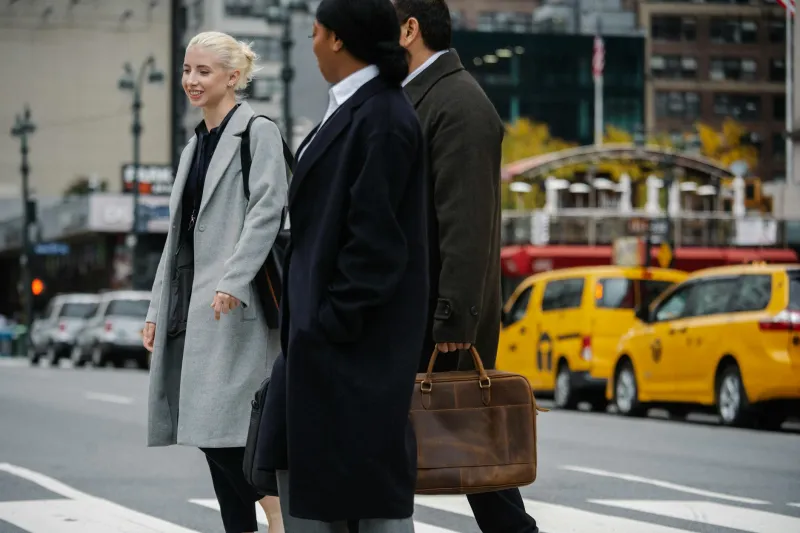
The Death of the Conference Room
It's 6 PM on a Tuesday in Bristol, and instead of rushing home or settling into yet another Zoom call, a group of local designers, writers, and photographers is gathering at the harbourside. No laptops, no presentation decks, no awkward small talk over lukewarm coffee. Just the simple act of walking together as the day transitions into evening—a practice borrowed from Italian towns and cities, where the passeggiata has been the heartbeat of community life for centuries.
This isn't a fitness group or a casual social gathering. These are serious creative professionals conducting some of their most productive business meetings on foot, and they're part of a quiet revolution that's transforming how Britain's creative industries approach networking, collaboration, and idea development.
The Italian Art of Productive Wandering
To understand why walking meetings work so brilliantly, we need to look at their Italian origins. The passeggiata—literally meaning 'a walk' or 'stroll'—is far more than leisure activity. In towns from Sicily to the Italian Lakes, this daily ritual serves as the primary social and business network, the place where ideas are exchanged, deals are struck, and creative collaborations are born.
Unlike the rushed networking events that dominate British creative calendars, the passeggiata operates on a completely different rhythm. It's unhurried yet purposeful, public yet intimate, structured yet spontaneous. Most importantly, it removes the artificial barriers that formal meeting environments create—the power dynamics of who sits where, the distractions of phones and screens, the pressure to perform rather than simply converse.
The Psychology of Walking Conversations
Recent research from Stanford University confirms what Italian communities have long understood: walking doesn't just improve physical health—it dramatically enhances creative thinking. The study found that creative output increased by an average of 60% when people walked rather than sat during brainstorming sessions.
 Photo: Stanford University, via facts.stanford.edu
But there's more to it than the simple act of movement. Walking side-by-side creates what psychologists call 'parallel processing'—a conversational dynamic where both parties are literally moving forward together, reducing confrontational dynamics and encouraging collaborative thinking.
"When you're walking with someone, you're both facing the same direction, literally and metaphorically," explains Dr. Helen Morrison, a behavioural psychologist who studies workplace dynamics. "It removes the subtle power plays that happen when people sit across from each other. Everyone's on equal footing—quite literally."
British Creatives on the Move
Across Britain, creative communities are embracing this Italian-inspired approach with remarkable results. In Manchester, the 'Northern Quarter Walking Club' brings together freelance designers, copywriters, and digital artists every Thursday evening for what founder Lisa Thompson calls 'mobile brainstorming sessions.'
"We tried the usual networking events—you know, the ones with name badges and elevator pitches," she explains. "But nothing meaningful ever came from them. The moment we started walking together, real conversations began happening. Projects started forming organically. People actually began collaborating rather than just collecting business cards."
The format is elegantly simple: each week, a different member proposes a route through the city, usually lasting 45 minutes to an hour. Participants share current projects, creative challenges, or simply discuss trends and ideas in their field. No formal presentations, no structured agenda—just the natural flow of conversation that emerges when creative minds walk together.
In Edinburgh, photographer David MacLeod has taken the concept even further, organising what he calls 'creative walks' that combine the passeggiata principle with location scouting. "We'll walk through different neighbourhoods, discussing ongoing projects, but we're also seeing the city with fresh eyes. Some of my best collaborative projects have emerged from these walks—not just because of the conversations, but because we discovered locations or perspectives we never would have found sitting in a café."
Designing Your Own Creative Passeggiata
Adapting the Italian passeggiata for British creative communities doesn't require Mediterranean weather or ancient cobblestones—it simply needs intentionality and consistency. The key is creating a format that feels both purposeful and relaxed, structured enough to attract busy professionals but flexible enough to allow organic conversations to develop.
Successful British passeggiata groups typically follow a few simple principles. First, they maintain consistent timing—usually early evening, when the workday is ending but before dinner plans begin. This mirrors the traditional Italian timing and creates a natural transition between work and personal life.
Second, they choose accessible, interesting routes that can accommodate conversation. This might mean avoiding busy roads or overly challenging terrain, instead favouring parks, waterfronts, or quiet residential streets where people can walk side-by-side comfortably.
Third, they establish gentle guidelines that encourage participation without forcing it. Some groups use a simple 'check-in' system where participants briefly share what they're working on or thinking about. Others rotate leadership, with different members choosing routes or suggesting loose themes for each walk.
Weather-Proofing the British Passeggiata
Of course, adapting an Italian tradition to British weather requires some creativity. The most successful groups embrace rather than fight the climate, investing in good waterproof gear and treating rainy walks as character-building exercises rather than cancellation-worthy obstacles.
"Some of our best conversations have happened in the rain," notes Sarah Williams, who runs a monthly passeggiata for Birmingham's creative freelancers. "There's something about walking through bad weather together that breaks down barriers even faster than sunshine does."
For truly challenging weather, some groups have developed hybrid approaches—shorter routes with indoor stopping points, or covered walkways that provide shelter while maintaining the essential element of movement.
Beyond Networking: The Creative Passeggiata as Practice
What's particularly striking about the British adoption of the passeggiata is how it's evolved beyond simple networking into a creative practice in its own right. Many participants report that the regular rhythm of walking and talking has improved not just their professional connections, but their creative thinking overall.
"It's become my weekly creative reset," explains London-based writer James Patterson, who participates in a literary passeggiata group in Hampstead Heath. "Even when we're not explicitly discussing my work, the act of walking and listening to other creative minds somehow unlocks ideas in my own projects. I'll often come home and immediately start writing."
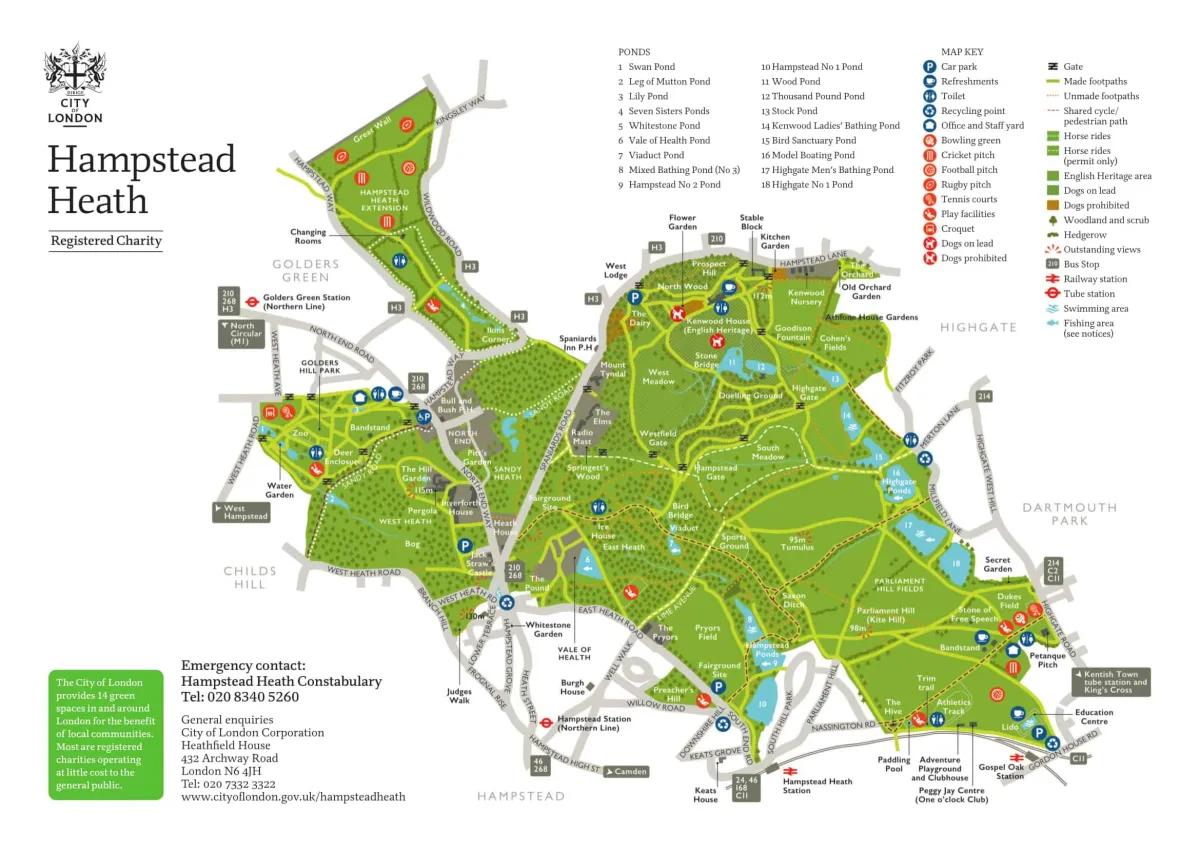 Photo: Hampstead Heath, via images.squarespace-cdn.com
This transformation of networking into creative practice reflects something fundamental about the Italian passeggiata tradition—it was never just about business or socialising, but about creating space for the kind of unhurried thinking that produces genuinely creative solutions.
The Future of Creative Connection
As remote work becomes increasingly common and traditional office environments continue to evolve, the passeggiata principle offers something that video calls and co-working spaces cannot: genuine human connection combined with physical movement and shared experience.
For British creative professionals tired of formulaic networking events and screen-mediated interactions, the evening walk represents a return to something more fundamental—the simple but profound act of moving forward together, one step at a time, allowing ideas to emerge naturally from the rhythm of conversation and the shared experience of place.
In embracing this Italian tradition, Britain's creative communities aren't just improving their networking—they're reclaiming a more human way of doing business, one that recognises creativity as something that flourishes not in conference rooms and coffee shops, but in the open air, among friends, with the simple pleasure of a good walk and better conversation.